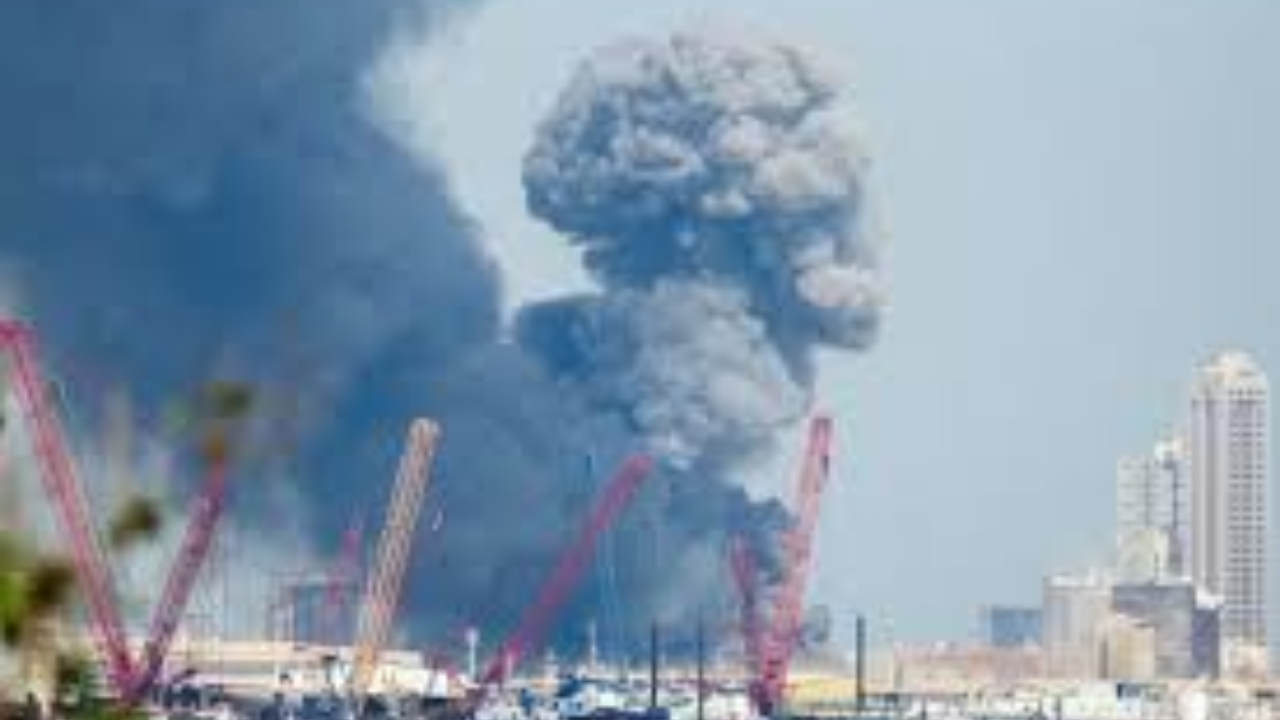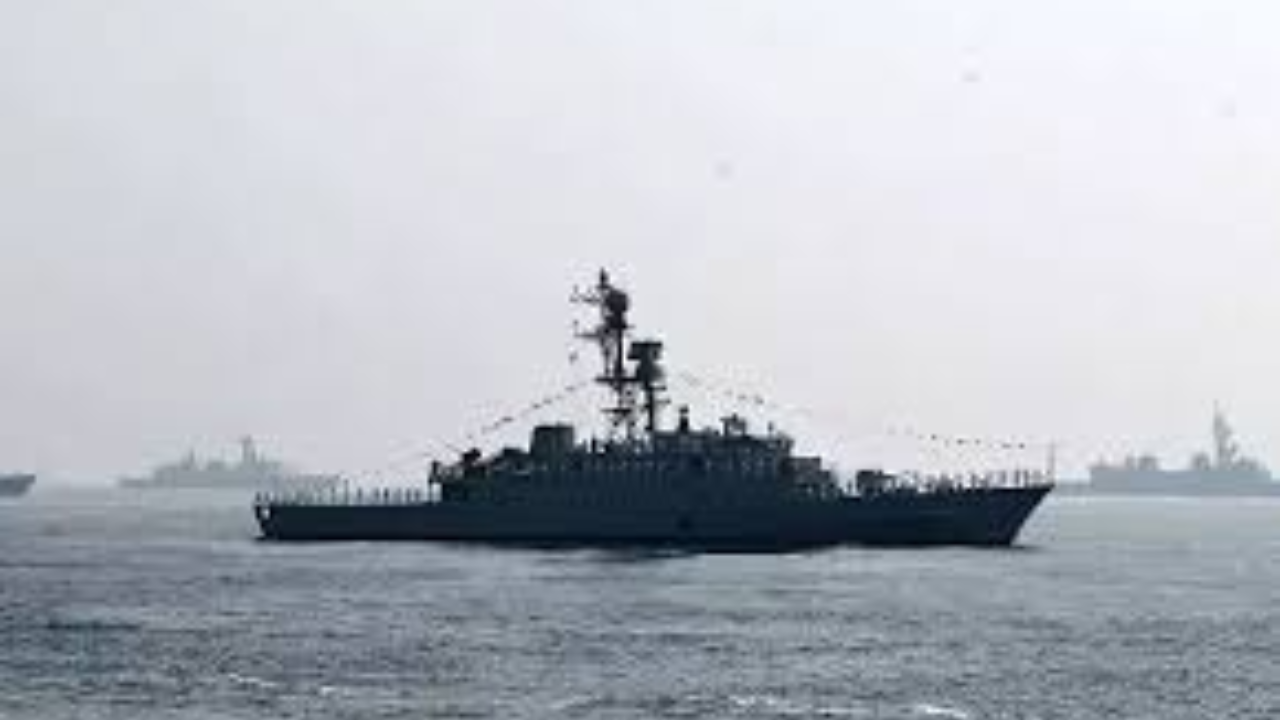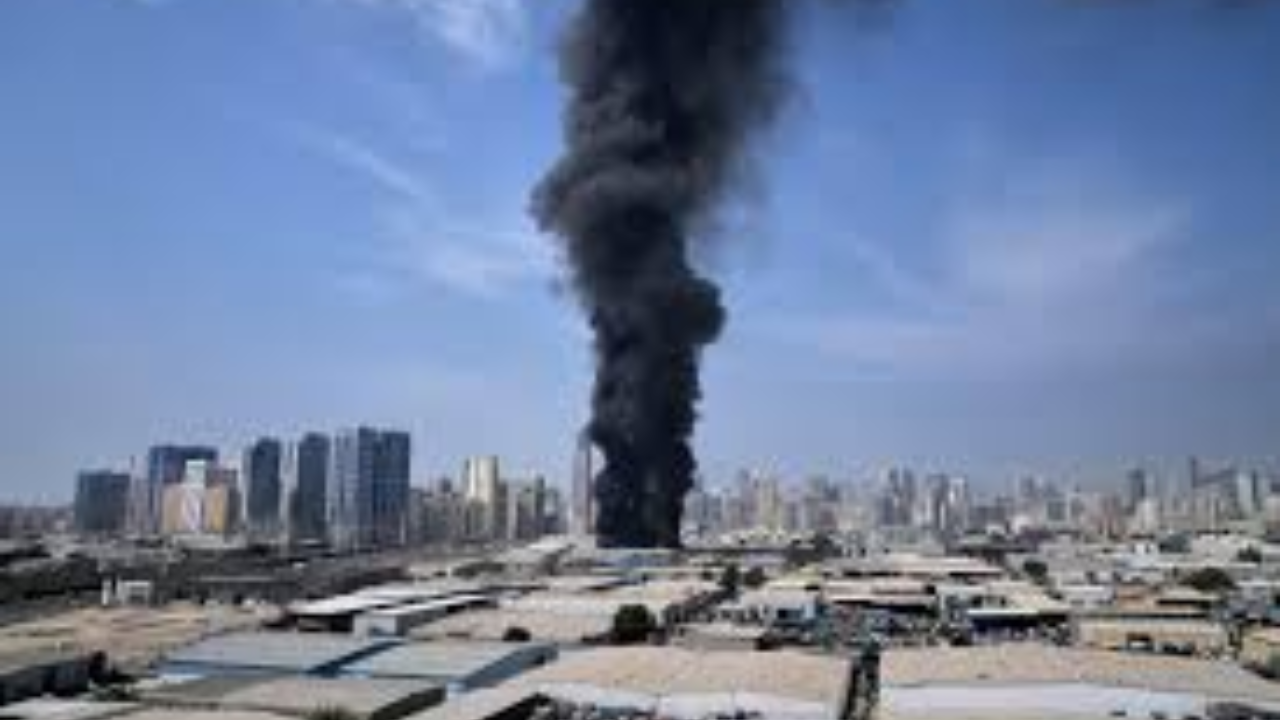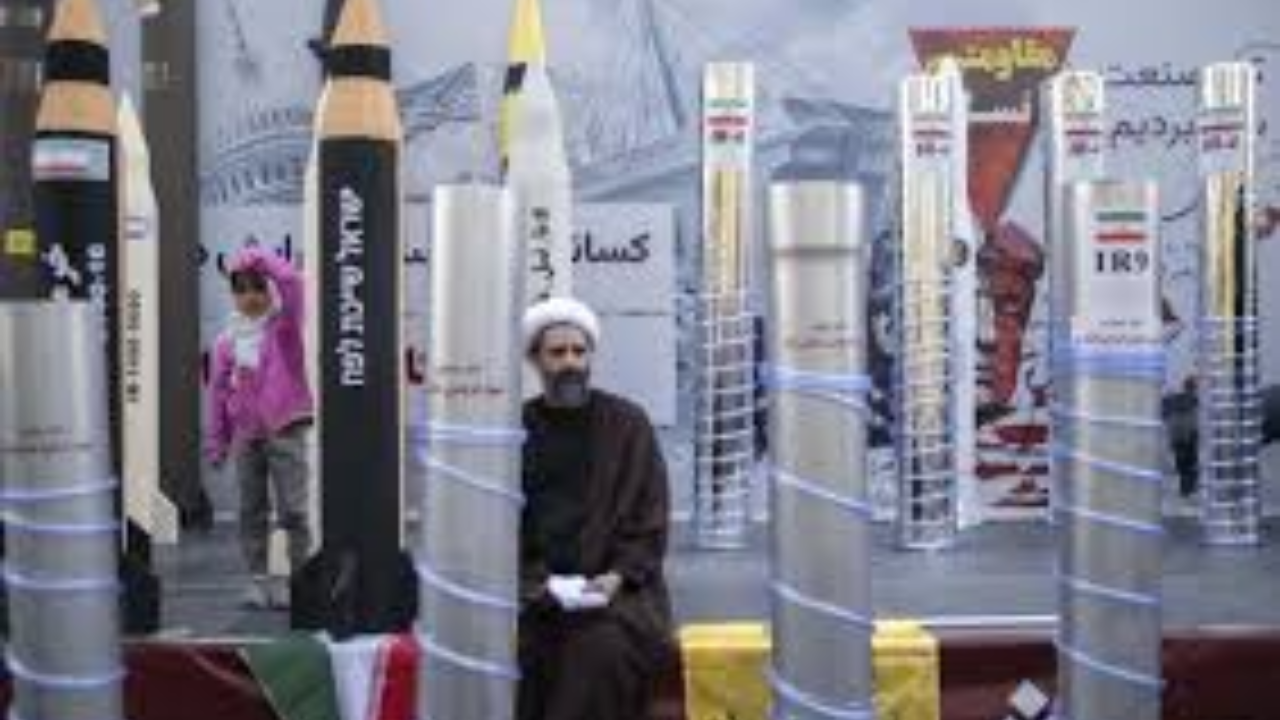
The massive wave of Iranian strikes across the Persian Gulf suggests a fundamental shift in Tehran’s playbook. Moving beyond targeted retaliation, Iran is now leveraging managed chaos as its primary strategic shield. By turning the entire region into a potential flashpoint, Tehran aims to convince global powers that the price of its collapse is more than the world can afford.
Thank you for reading this post, don't forget to subscribe!The Objectives of “Total Instability”
Rather than traditional defense, Iran’s current strategy focuses on three high-stakes goals:
- Enforced Involvement: By striking neutral Gulf states despite their lack of participation in U.S. strikes, Iran is signaling that no one is “safe” in a conflict. This pressures neighbors to lobby Washington for immediate de-escalation.
- Weaponizing the Global Economy: Targeting energy infrastructure and major aviation hubs (like Dubai and Kuwait) isn’t just about local damage. It is a direct hit to global supply chains, intended to trigger a worldwide economic shock.
- Deterrence Through Destruction: The underlying message is one of “collective ruin.” Tehran is betting that the international community will prioritize regional stability over the removal of the current regime.
Impact Assessment: March 2026
The scale of these attacks has effectively redrawn the map of risk in the Middle East:
| Category | Strategic Impact |
| Logistics | Attacks on Al Udeid and Al Dhafra airbases have severely disrupted U.S. tactical coordination. |
| Aviation | Strikes on international hubs have shattered the Gulf’s reputation as a secure global transit point. |
| Energy | Threatened closures of the Strait of Hormuz have sent global oil markets into a volatile spiral. |
The Core Shift: Tehran has moved from “Strategic Patience” to “Strategic Contagion”—the idea that if Iran is threatened, the entire region must suffer the consequences.