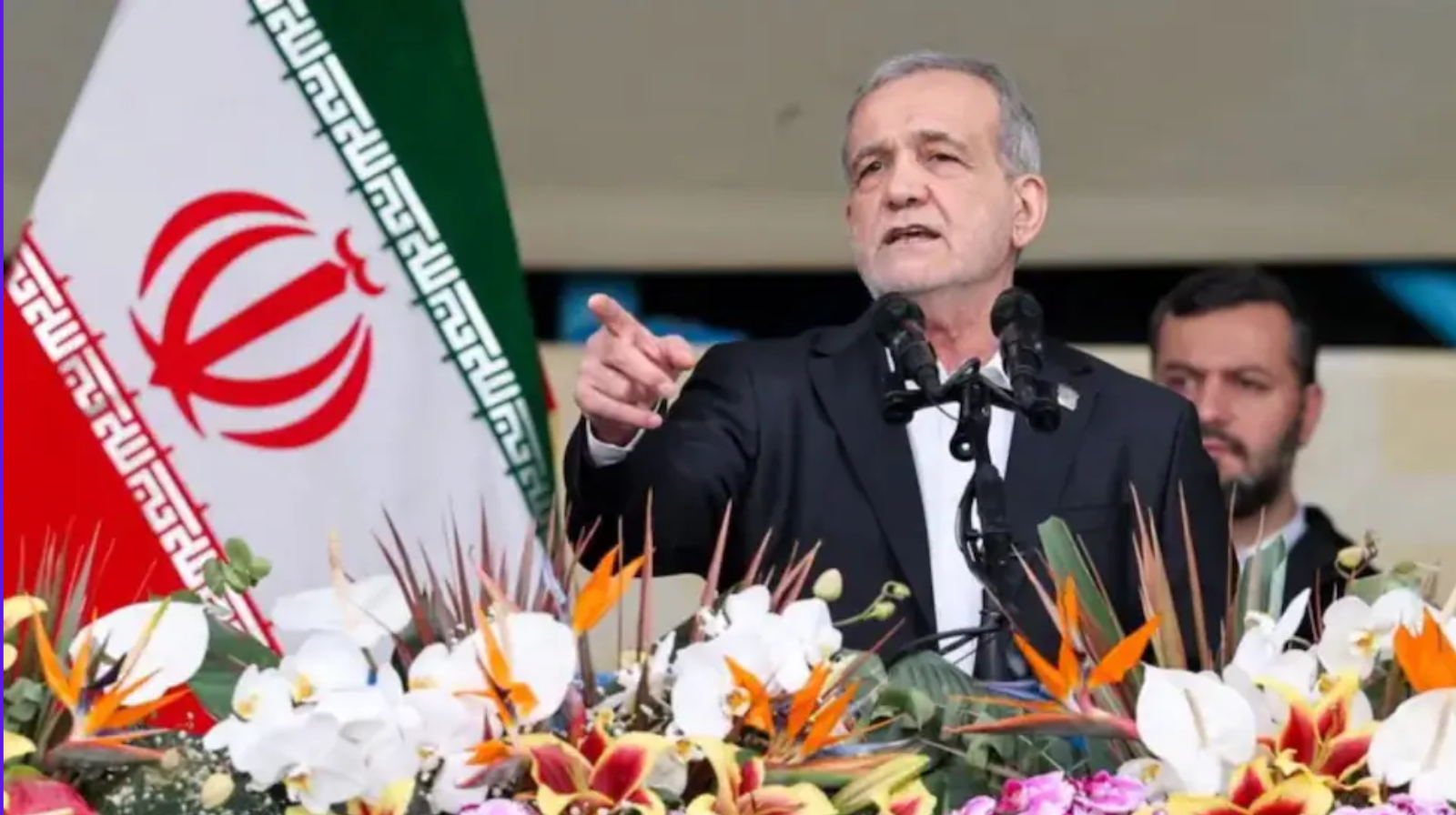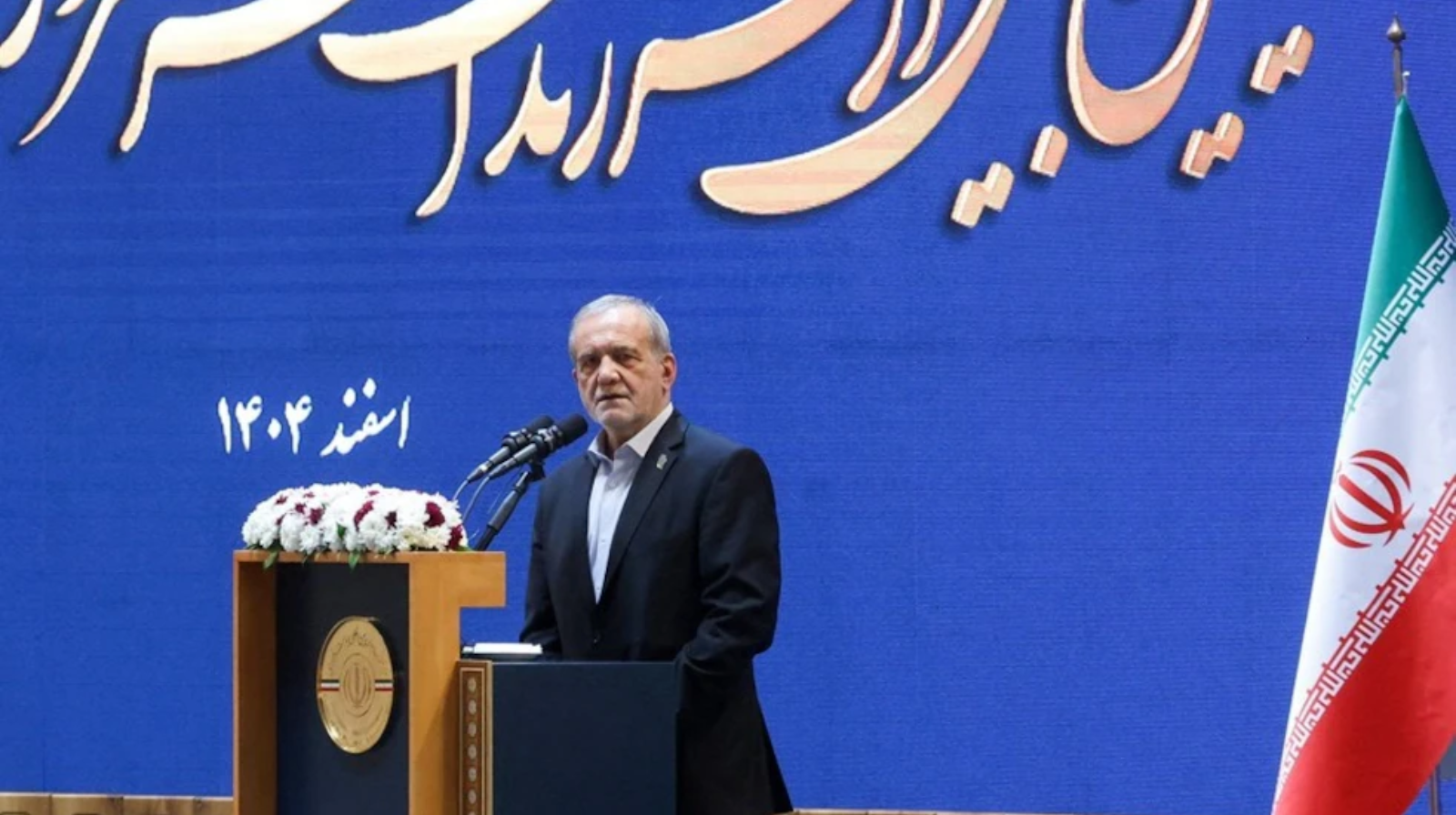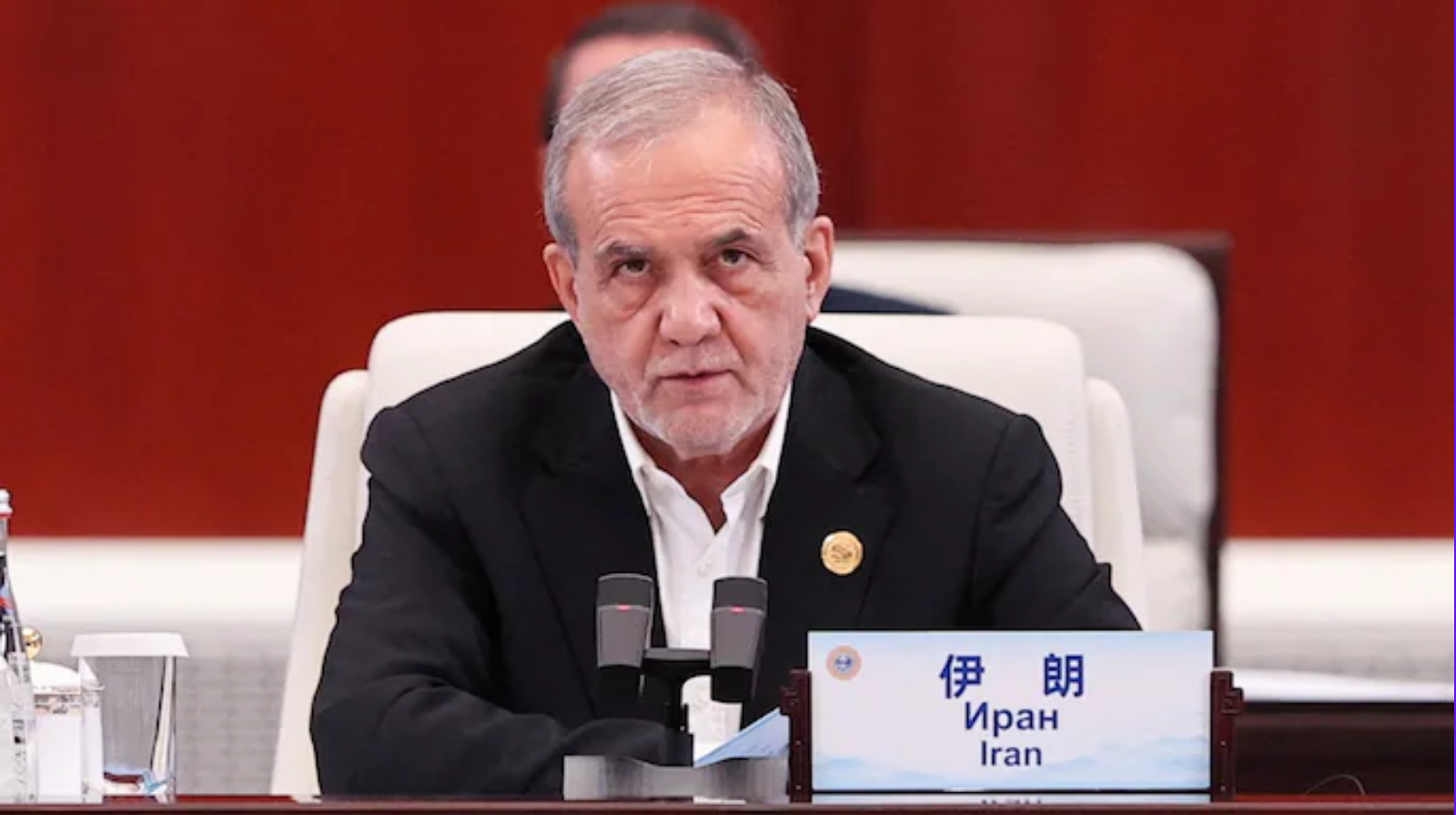
In an unusual move amidst escalating regional tensions, Iranian President Masoud Pezeshkian issued an open letter on April 1 and 2, 2026, addressed directly to the citizens of the United States. The letter marks a pivot in Tehran’s communication strategy, moving from military posturing to a direct appeal to the American public’s skepticism regarding foreign intervention.
Thank you for reading this post, don't forget to subscribe!Key Arguments from Tehran
The letter challenges the justification for continued U.S. military involvement in the Middle East, focusing on three specific points:
- Diverging Interests: Pezeshkian asks Americans to consider whether current military objectives align with their own national interests. He argues that the U.S. is effectively fighting a proxy war that benefits the Israeli government’s regional goals rather than American security.
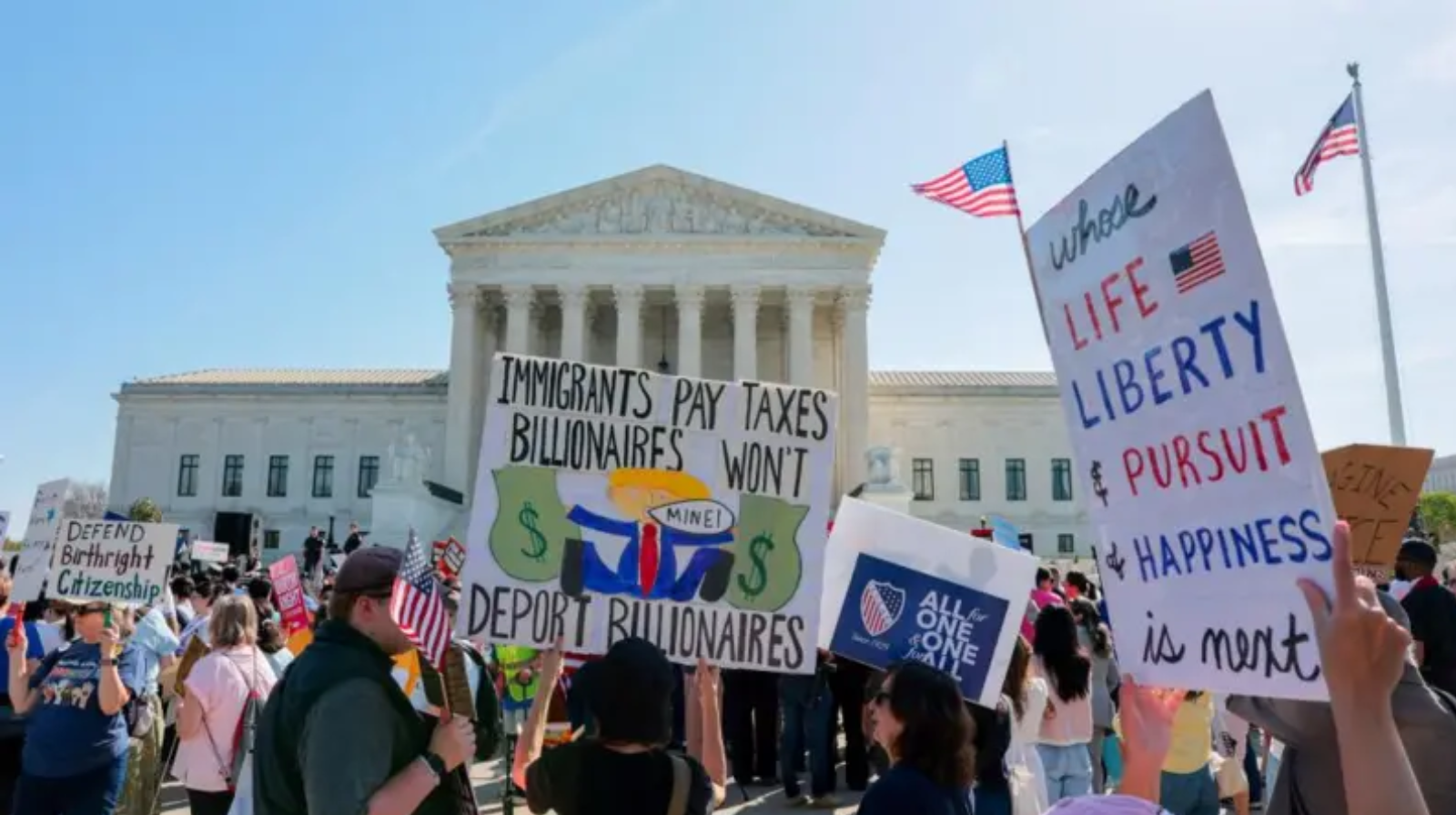
- The Cost of Conflict: Utilizing “America First” rhetoric, the letter questions why U.S. taxpayer dollars and military personnel are being committed to what he calls “Israeli delusions.”
- A Defensive Stance: The President maintains that Iran’s actions are strictly defensive, claiming the country has no desire for conflict with the American people and is merely responding to foreign encroachment on its sovereignty.
The State of Play: April 2026
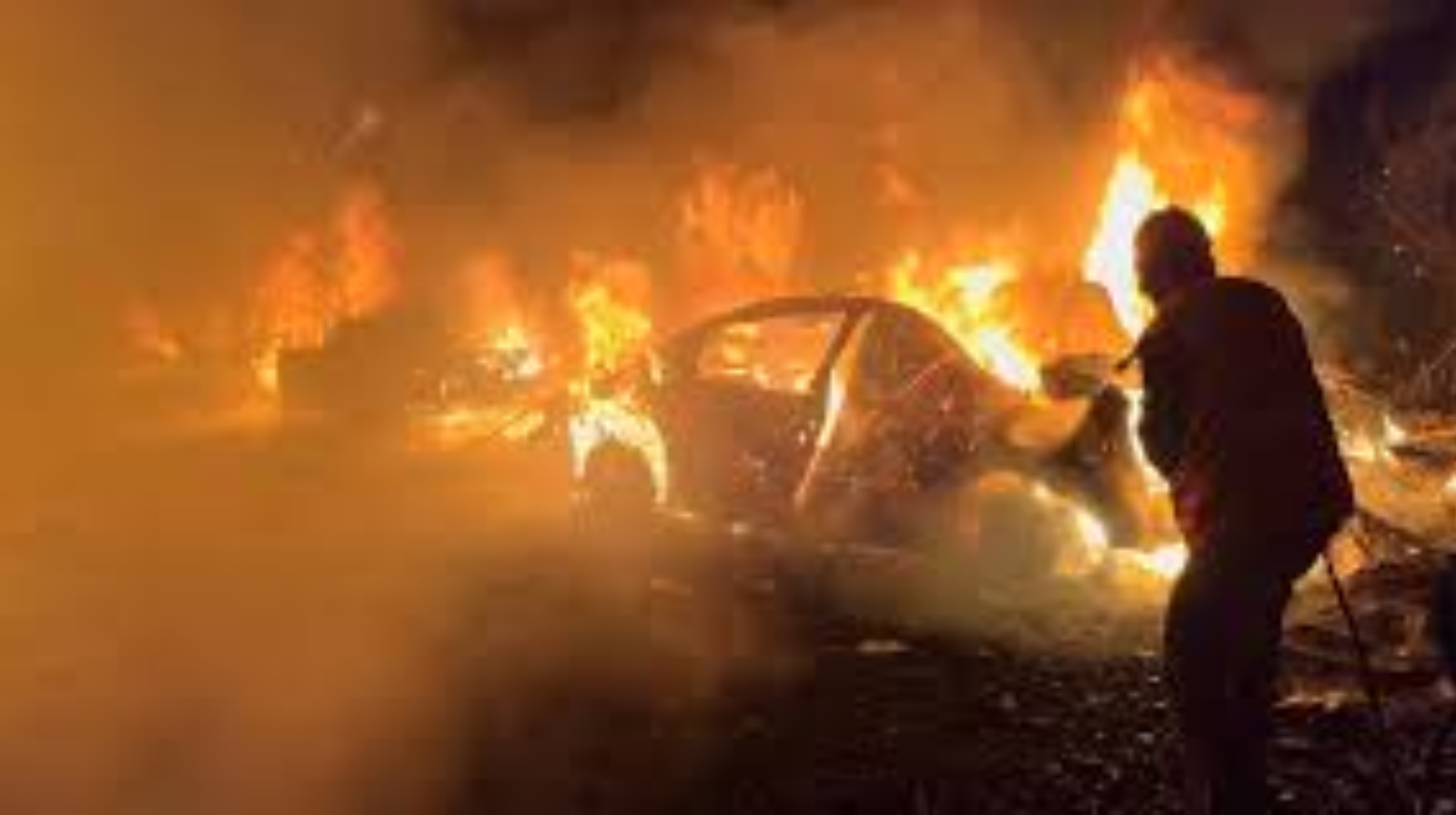
The letter arrives during a period of intense kinetic conflict:
| Indicator | Status/Details |
| U.S. Air Operations | Over 13,000 combat flights and 12,000 targets struck in Iran. |
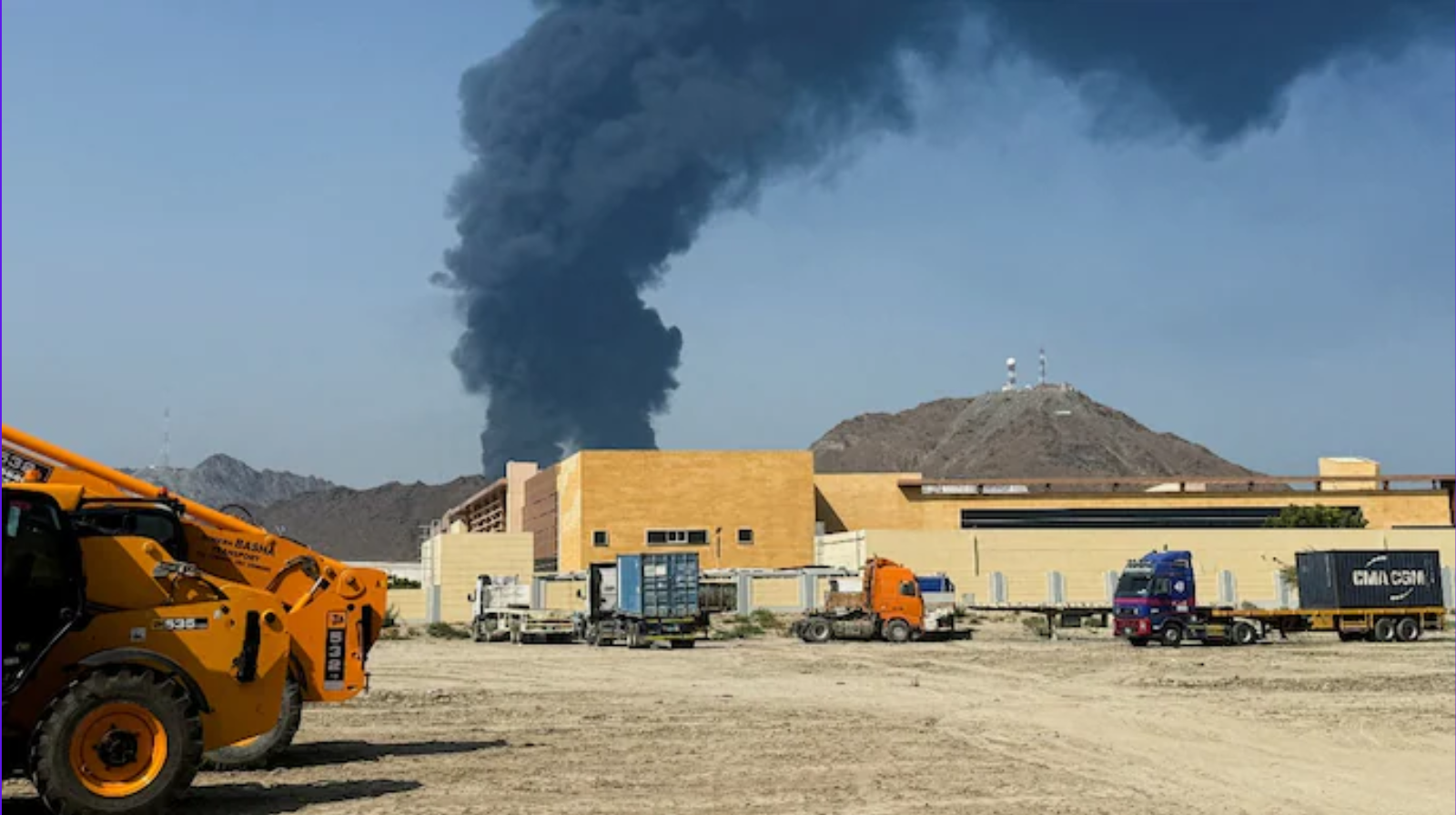
| Iranian Response | Reports of drone strikes on regional infrastructure, including sites in Kuwait. |
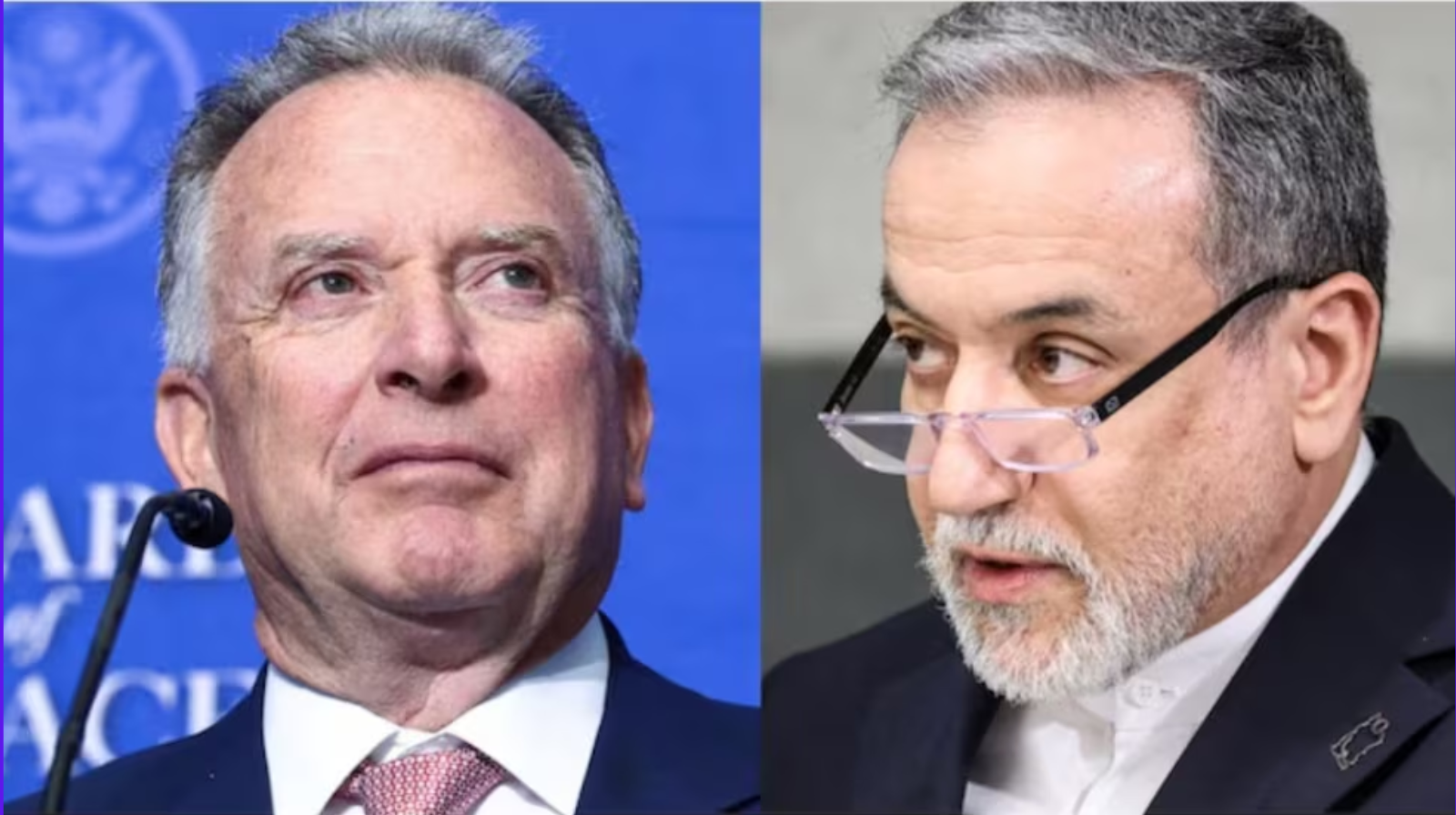
| Diplomatic Status | While Washington has hinted at ceasefire talks, Tehran has officially labeled these claims “baseless,” stating that conditions for negotiation do not yet exist. |
The Strategy Behind the Message
The focus on the financial and human costs of the war suggests that Tehran is looking to bolster anti-war sentiment. This “public diplomacy” aims to pressure the U.S. administration by speaking to voters who are concerned about the transparency of war objectives and the long-term commitment of American resources abroad.