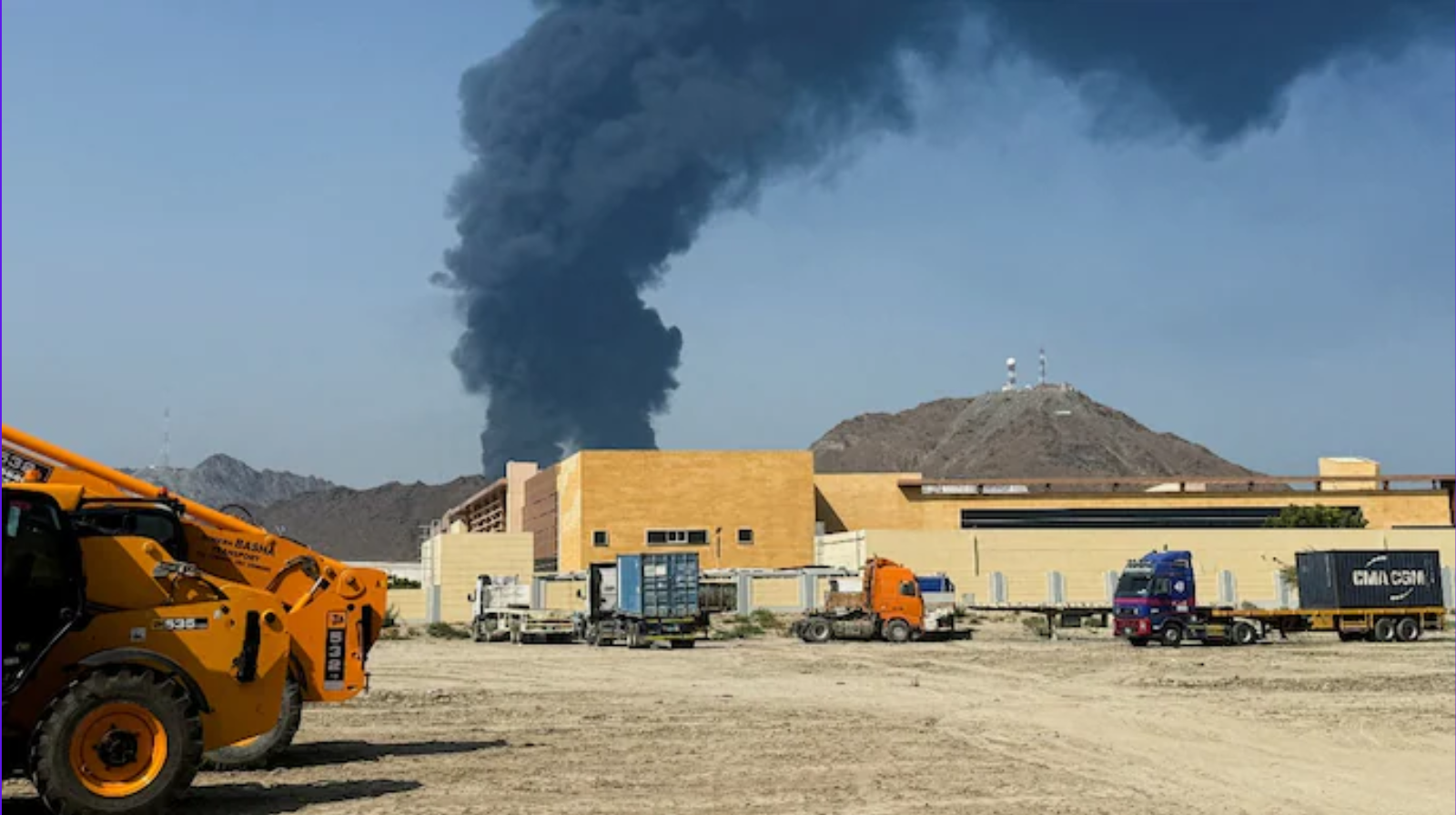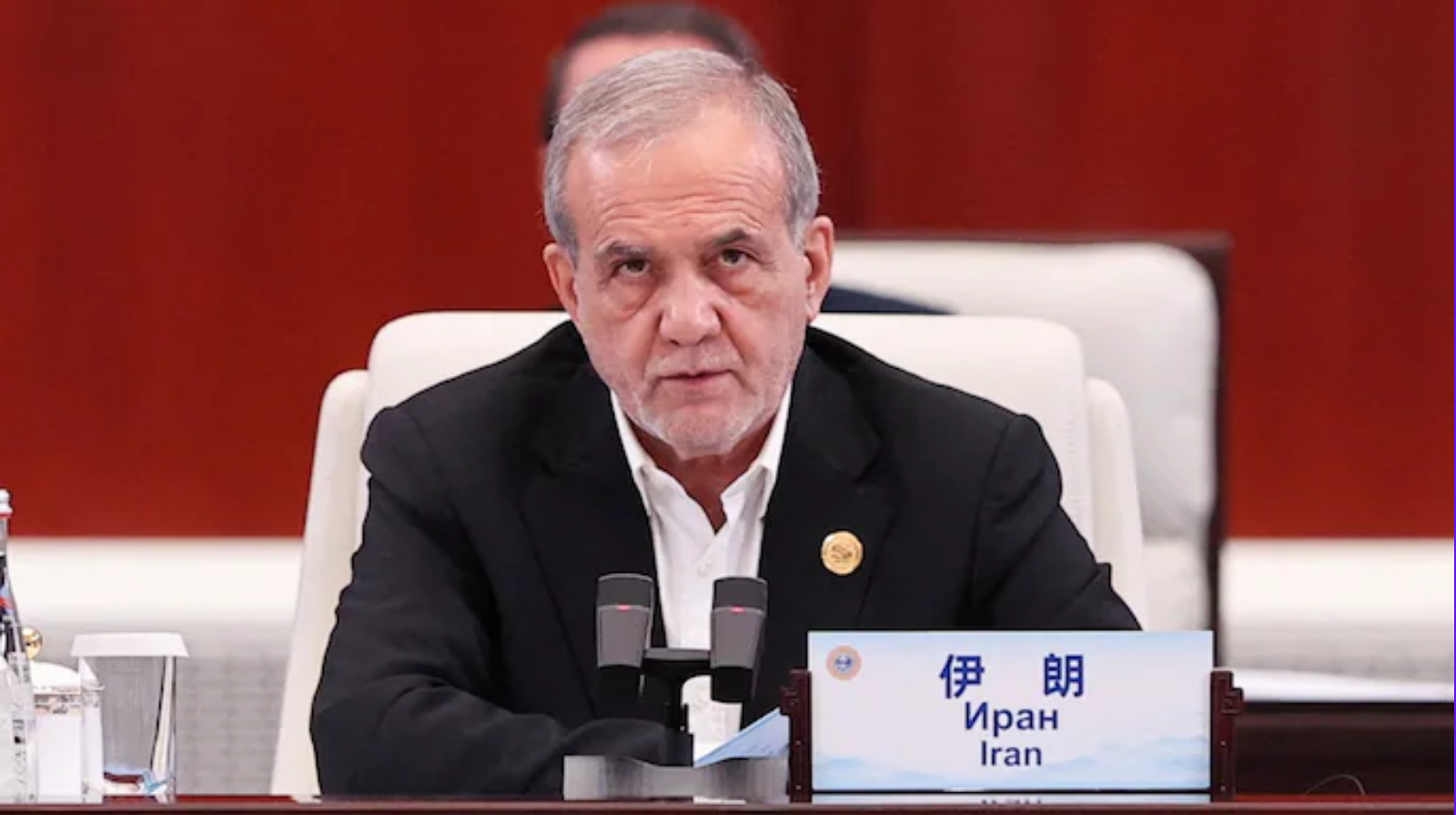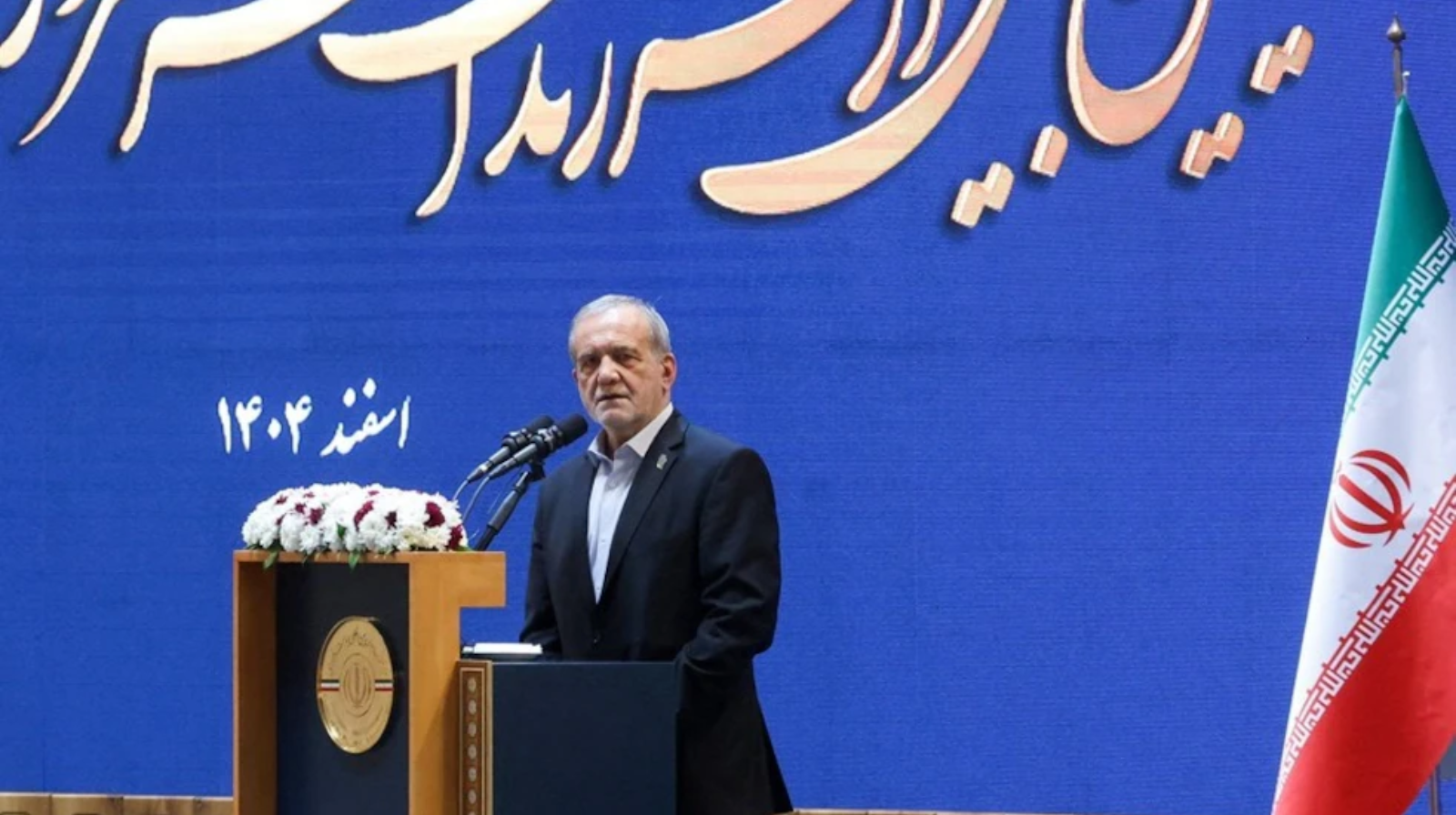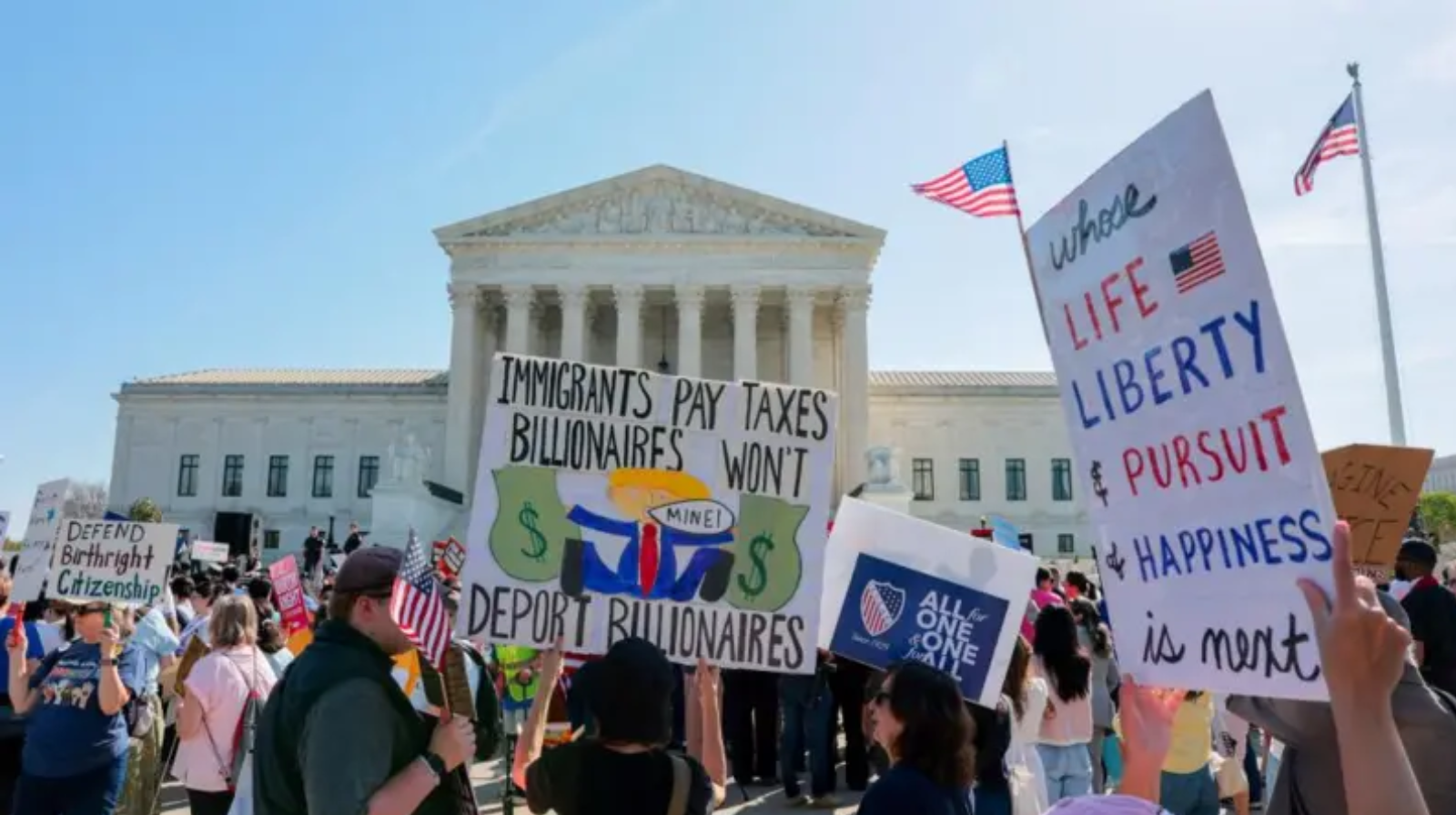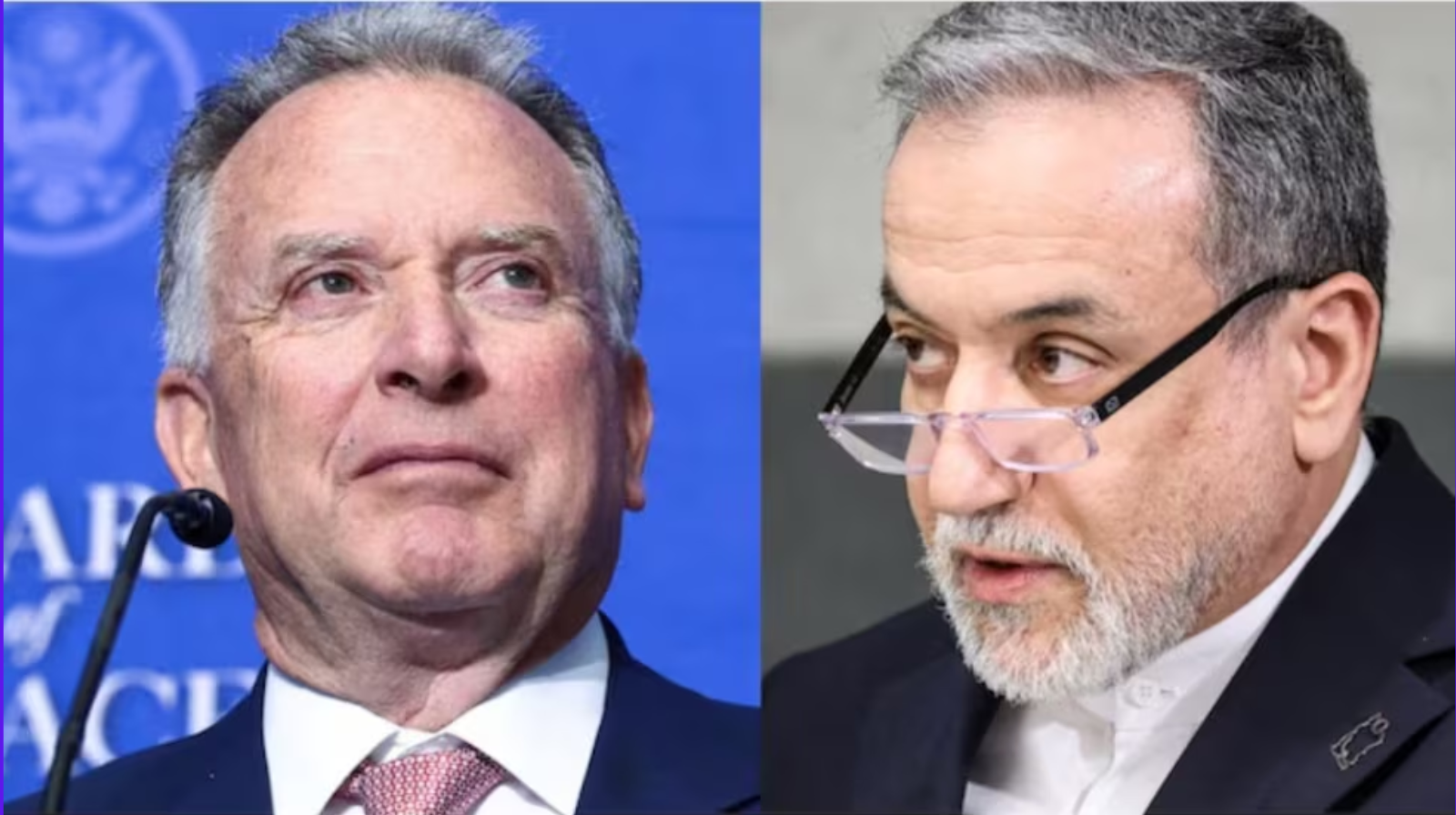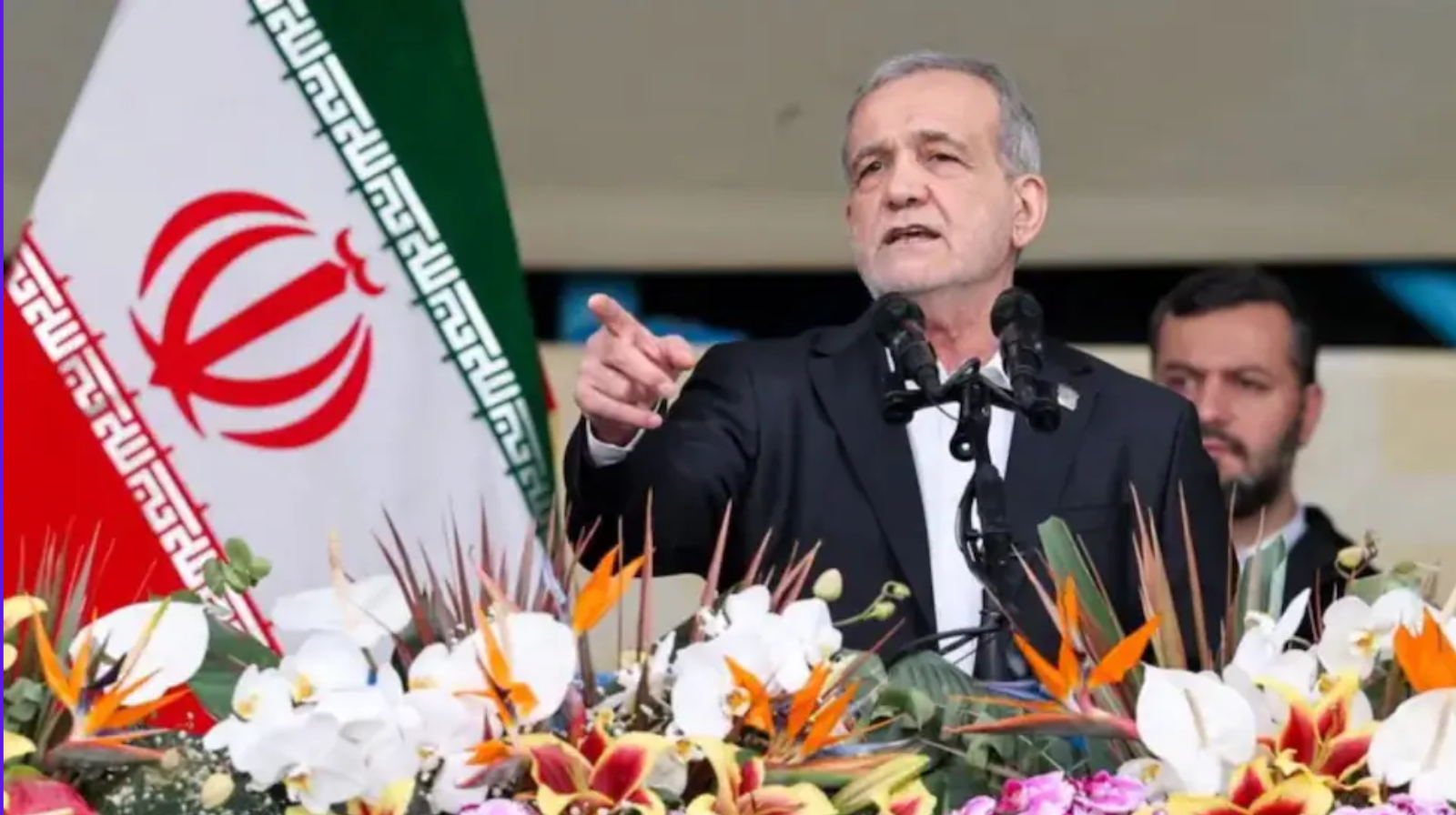
Iranian President Masoud Pezeshkian issued a direct appeal to the American public. Released amidst a period of intense military friction, the letter bypasses traditional diplomatic channels to challenge the narrative of the current conflict and question the strategic alignment of the U.S. government.
Thank you for reading this post, don't forget to subscribe!Key Themes and Statements
1. Distinction Between People and Policy Pezeshkian emphasizes that the Iranian government views the American public as distinct from its administration. He argues that the perception of Iran as a global threat is a “manufactured narrative” designed to benefit the military-industrial complex.
“The portrayal of Iran as a threat is the product of political and economic whims… used to justify pressure and maintain military dominance.”
2. A Critique of “America First” The letter specifically targets the current U.S. administration’s “America First” doctrine, questioning whether the cost of a war in the Middle East—both in human lives and taxpayer dollars—truly serves the interests of average Americans.
“Exactly which of the American people’s interests are truly being served by this war? Does the destruction of civilian infrastructure… serve any purpose other than damaging the United States’ global standing?”
- The Claim: Pezeshkian asserts that Israel aims to fight Iran “to the last American soldier.”
4. Iran’s Historical Defense Pezeshkian frames Iran’s military actions as purely reactive. He points to the 1953 coup as the foundational moment of distrust and maintains that Iran has no history of modern colonial aggression.
5. An Ultimatum of Legacy The President concludes with a warning about the long-term consequences of war, asserting that while Iran is prepared to endure, the U.S. must decide how it wishes to be remembered in history.
Strategic Context (2026)
- Incite domestic debate within the U.S. regarding the cost of the war.
- Position Iran as a rational actor seeking peace while the U.S. pursues escalation.
- Leverage historical grievances to appeal to anti-interventionist sentiments in the West.