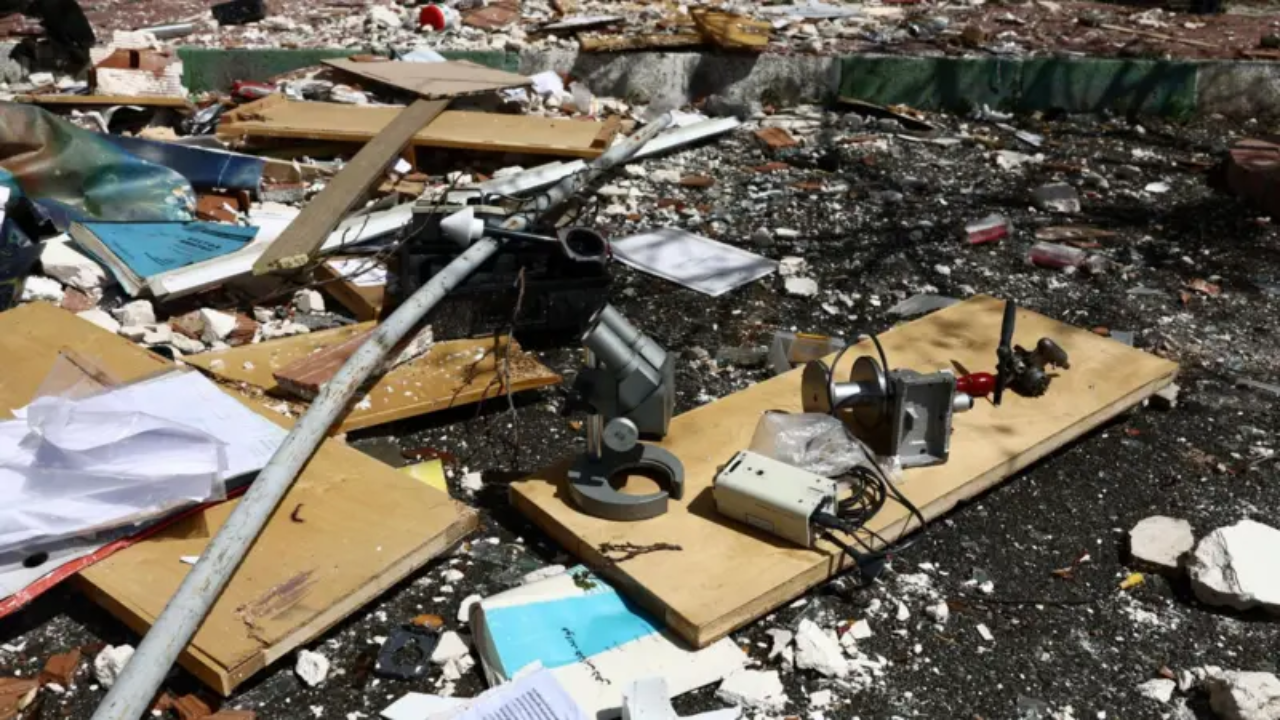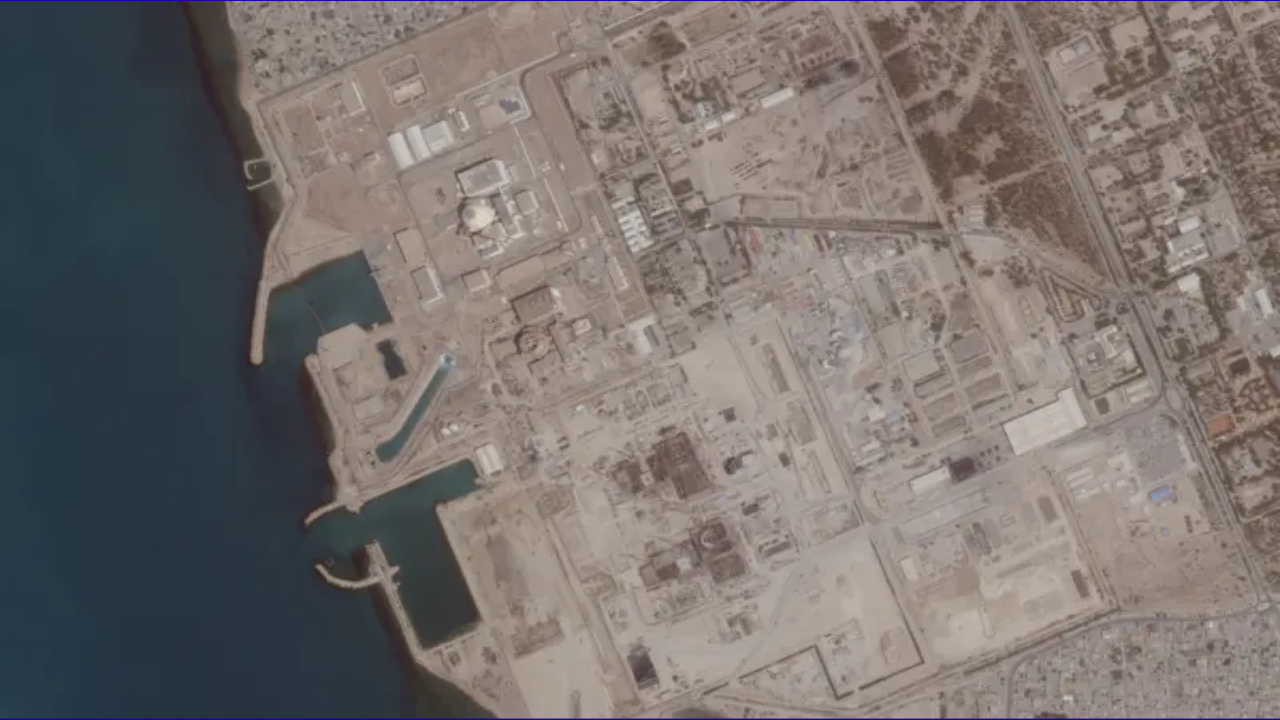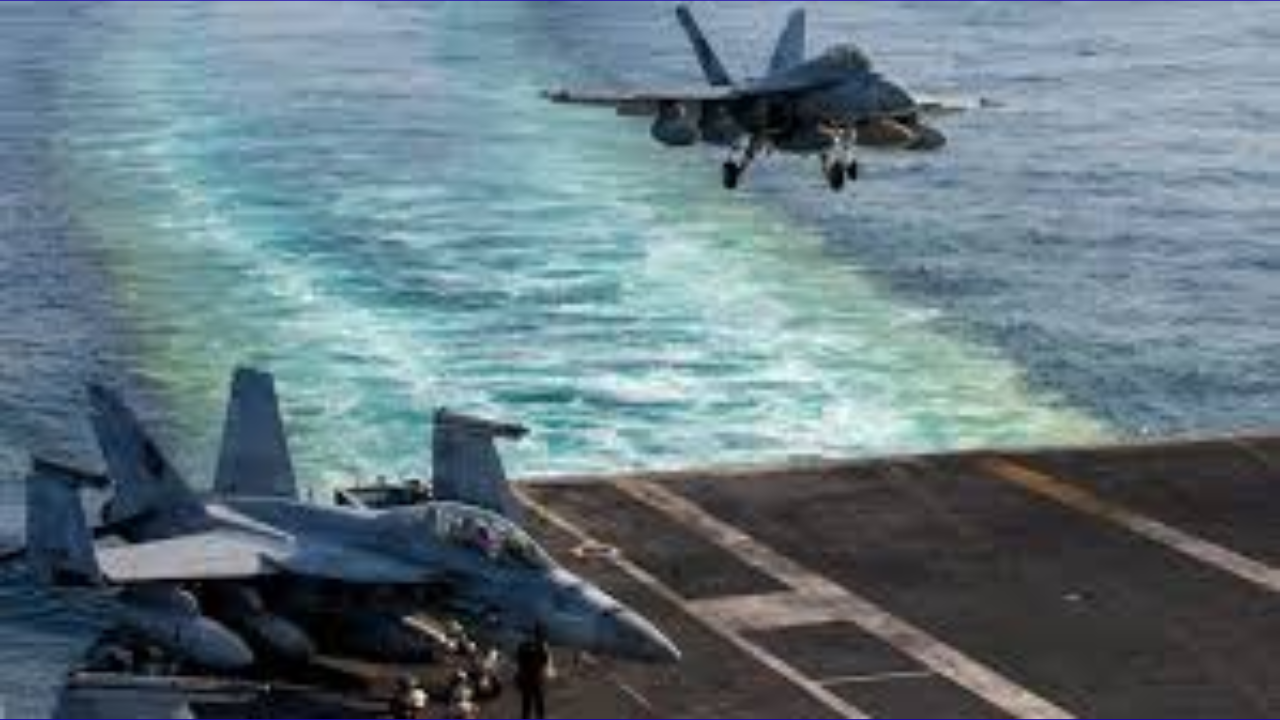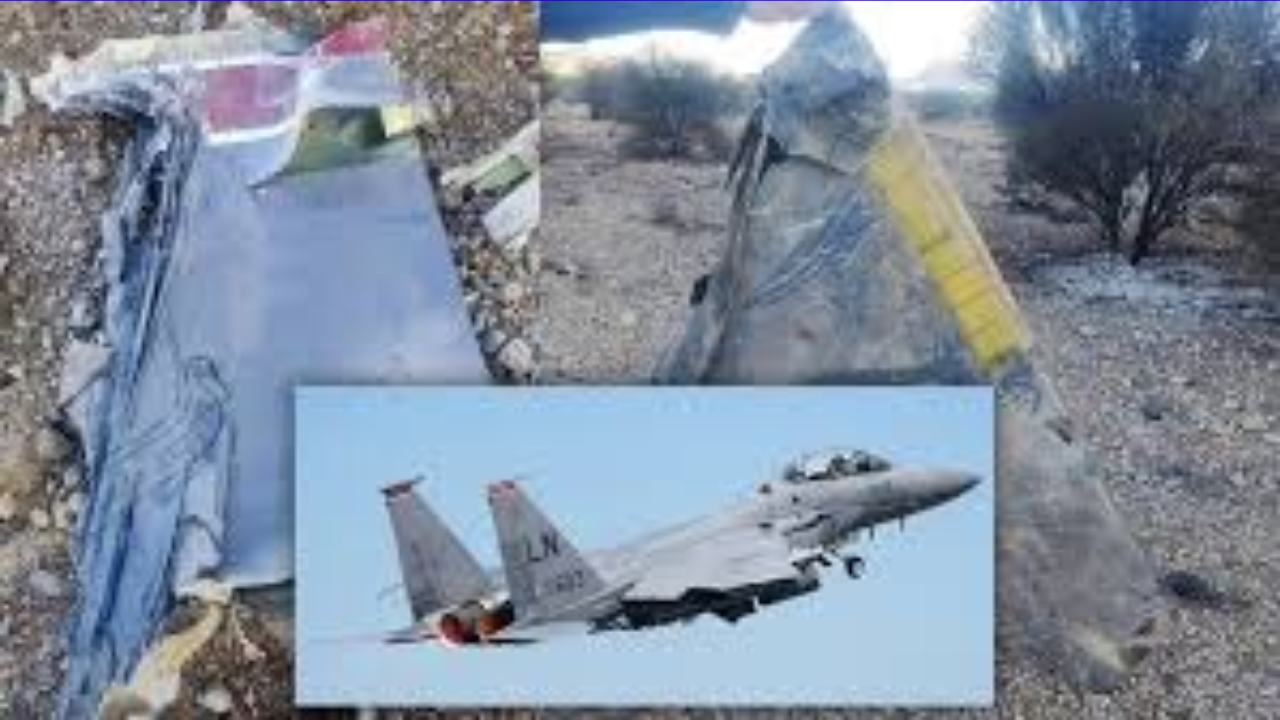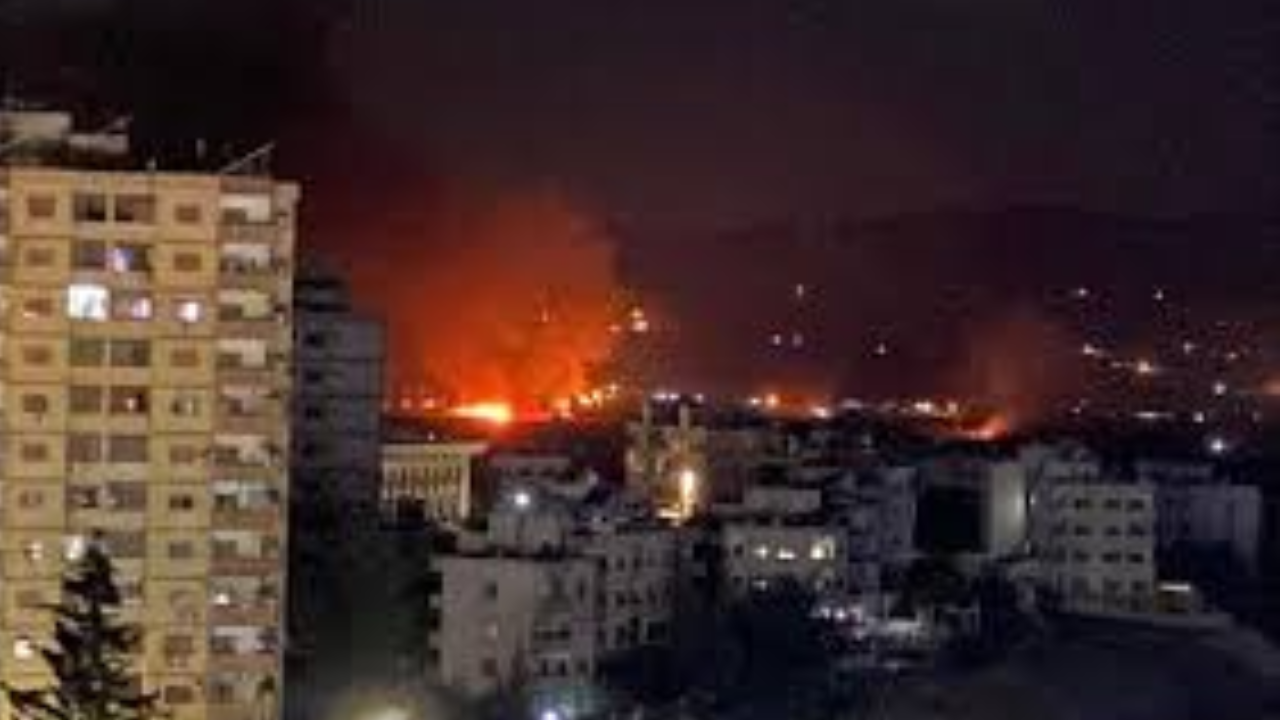
Conflicting reports have emerged regarding the status of U.S. aircraft operating over Iran. Following the downing of a U.S. fighter jet on Friday, Iranian provincial authorities in Kohgiluyeh and Boyer-Ahmad have publicly urged local nomadic tribes to assist in the capture of U.S. aircrews, promising substantial rewards for any pilots taken alive.
Thank you for reading this post, don't forget to subscribe!Discrepancies in Aircraft Engagement
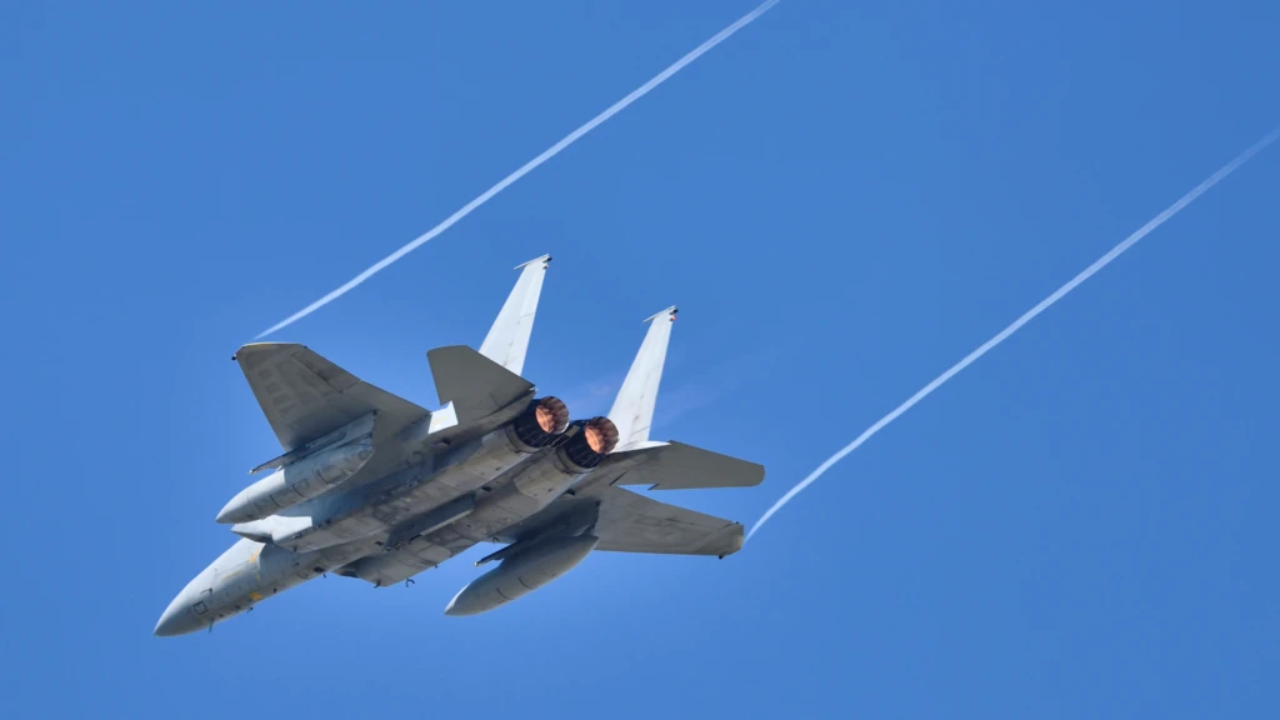
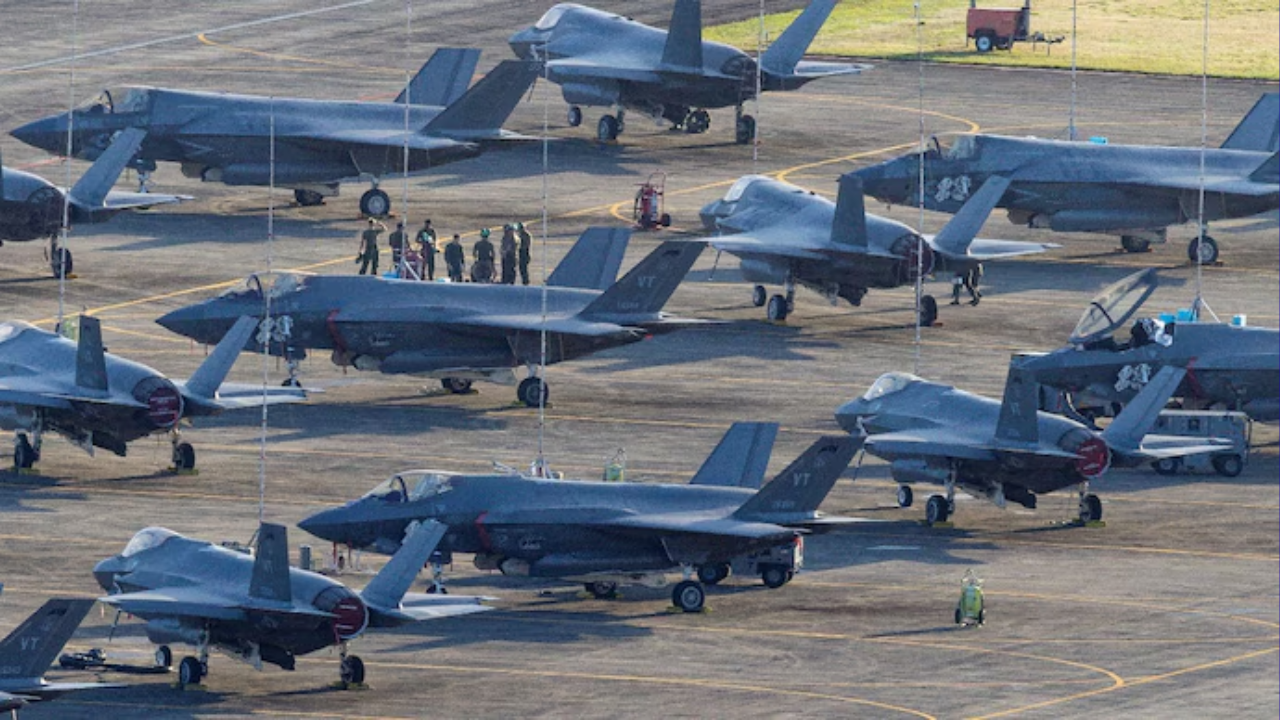
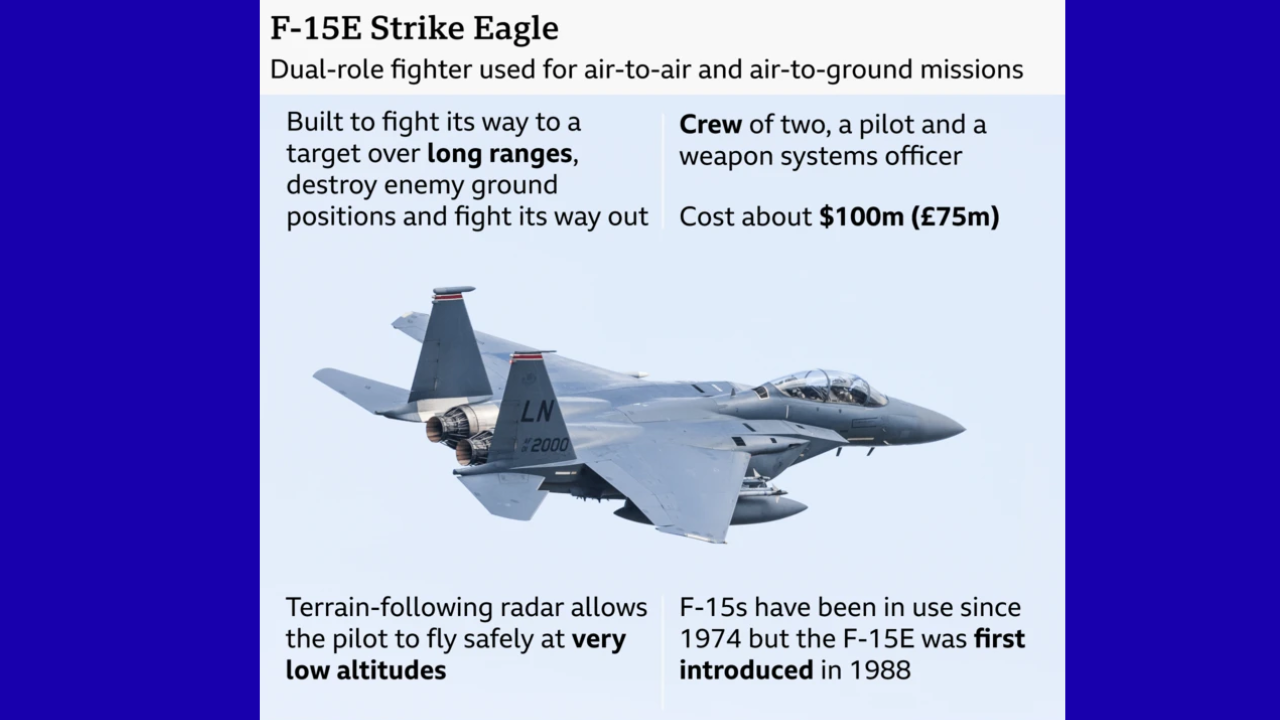
- The Fighter Jet: Both sides confirm a U.S. jet went down on April 3. While the U.S. identifies the aircraft as an F-15E Strike Eagle, Tehran claims it was a more advanced F-35.
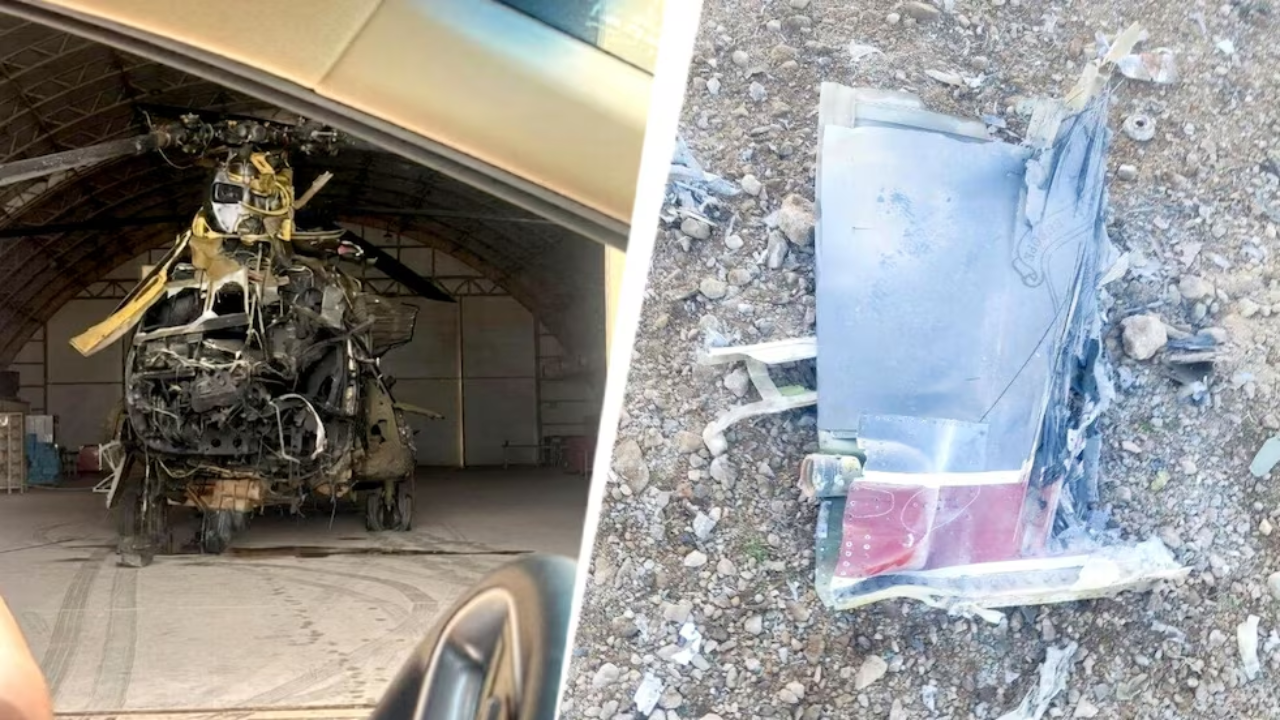
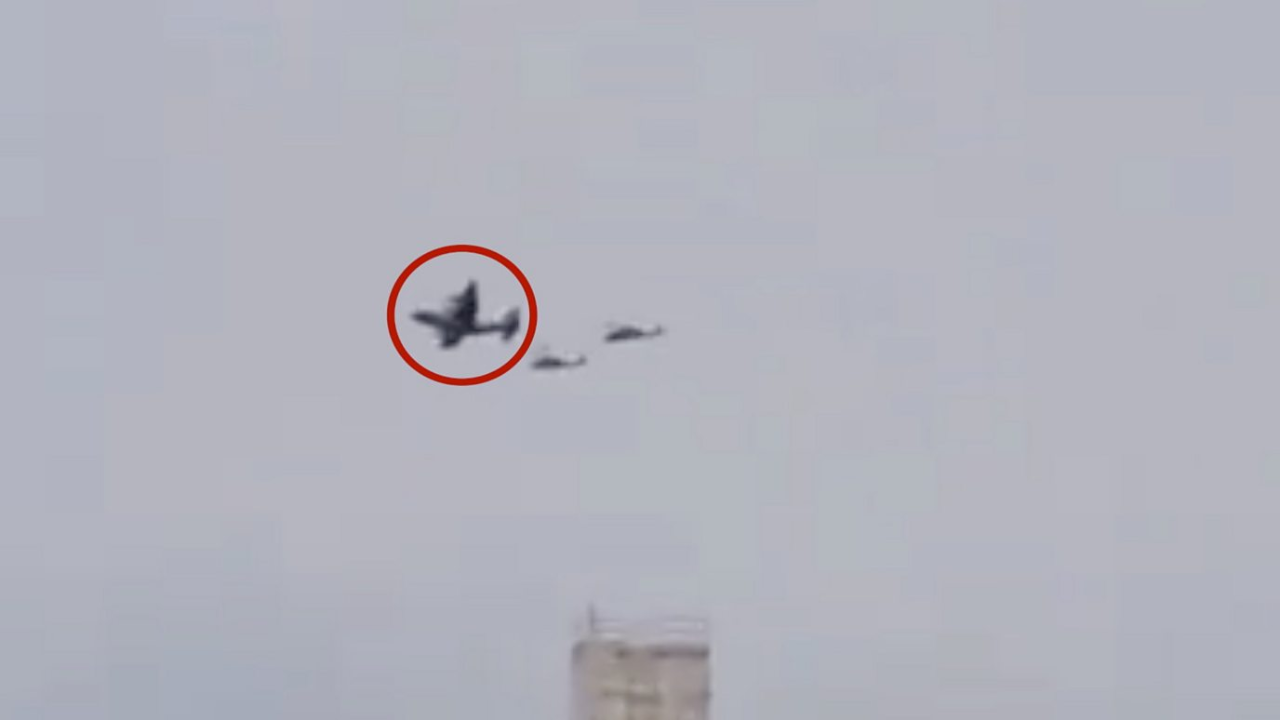
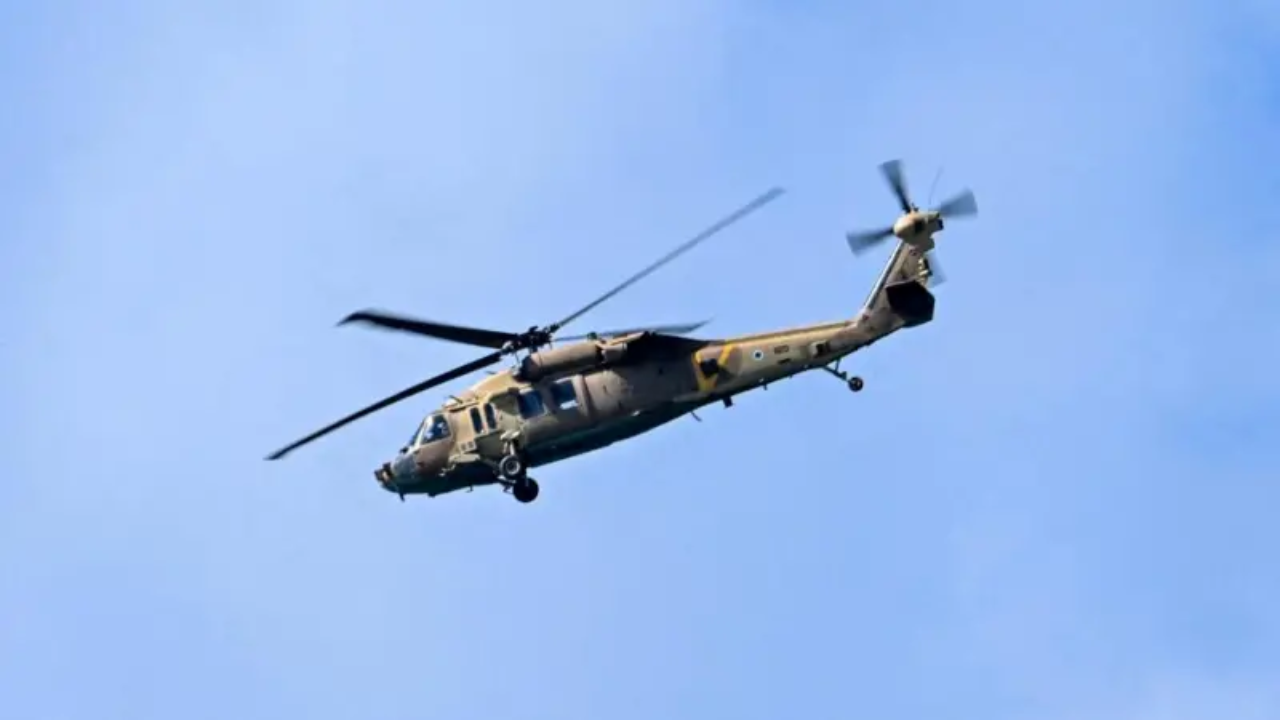
- The Black Hawks: Iran reports that nomadic forces successfully hit two Black Hawk helicopters. U.S. officials acknowledge that two helicopters involved in the rescue mission were struck by ground fire, but maintain that they were not destroyed and successfully evacuated to a base in Iraq.
- A-10 Thunderbolt II: Separate reports indicate an A-10 crashed in the Persian Gulf, though the cause remains a point of contention between the two nations.
Status of Personnel
The fate of the aircrews remains the central focus of the ongoing escalation:
| Status Component | U.S. / International Report | Iranian State Media Claim |
| F-15E Crew | One rescued by Special Forces; one missing. | One pilot captured by local civilians. |
| SAR Personnel | Evacuated safely despite aircraft damage. | Mission repelled by tribal resistance. |
| A-10 Pilot | Status currently unknown. | Targeted and neutralized by defense forces. |