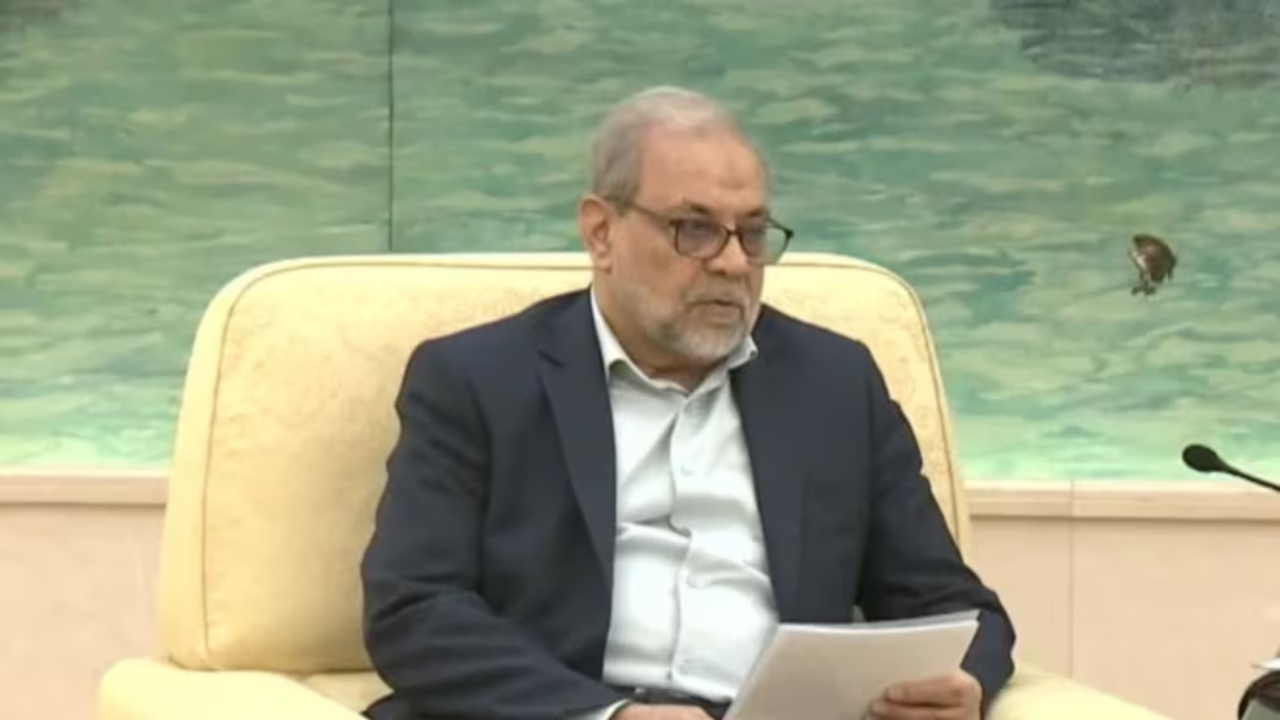
In a rapid response to the vacuum left by the recent assassination of Ali Larijani, Iran has appointed Mohammad Bagher Zolghadr as the Secretary of the Supreme National Security Council (SNSC). The move, finalized on March 24, 2026, aims to stabilize a defense apparatus reeling from a series of high-level leadership losses.
Thank you for reading this post, don't forget to subscribe!Strategic Context: A Regime Under Pressure
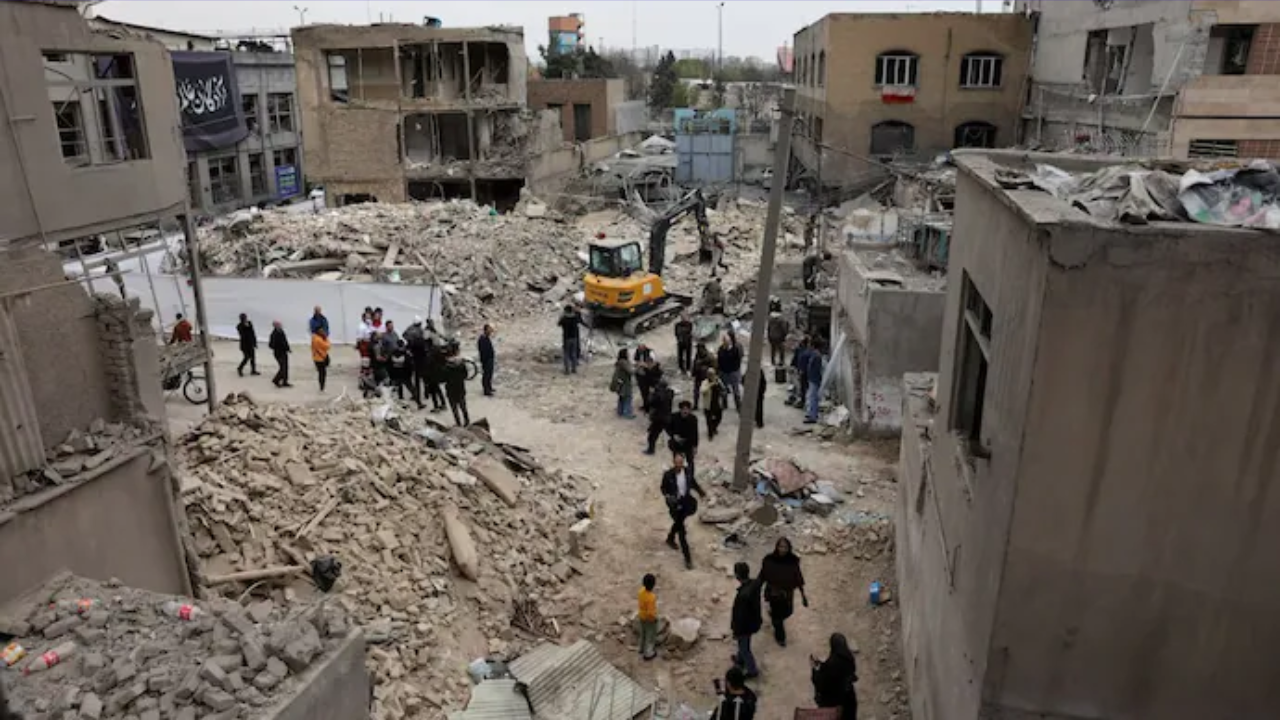
The appointment follows the March 17 Israeli airstrike in Tehran that killed Larijani, who had emerged as a central figure in the regime’s survival strategy following the death of Ayatollah Ali Khamenei in February.
- Restoring Order: By tapping Zolghadr, the current leadership—led by Mojtaba Khamenei—is prioritizing institutional continuity over reform.
- A “War Cabinet” Mentality: The transition signals that Tehran is doubling down on its “defiant” posture amid the ongoing regional conflict.
Profile: Who is Mohammad Bagher Zolghadr?
Zolghadr is a veteran IRGC strategist whose career suggests a pivot toward a more rigid, military-first approach to national security.
| Feature | Details |
| Military Background | Former Brigadier General in the IRGC. |
| Past Roles | Deputy Interior Minister for Security; Secretary of the Expediency Council. |
| Political Alignment | Staunch hardliner with deep ties to the security establishment. |
| Key Mandate | Coordinating domestic stability and managing the “2026 Iran War” logistics. |
The Implications
Zolghadr’s rise marks the end of the “pragmatic” era associated with the Larijani family. His expertise in irregular warfare and internal security suggests that Iran may focus more heavily on asymmetric responses abroad and tightening control over domestic dissent as the conflict intensifies.