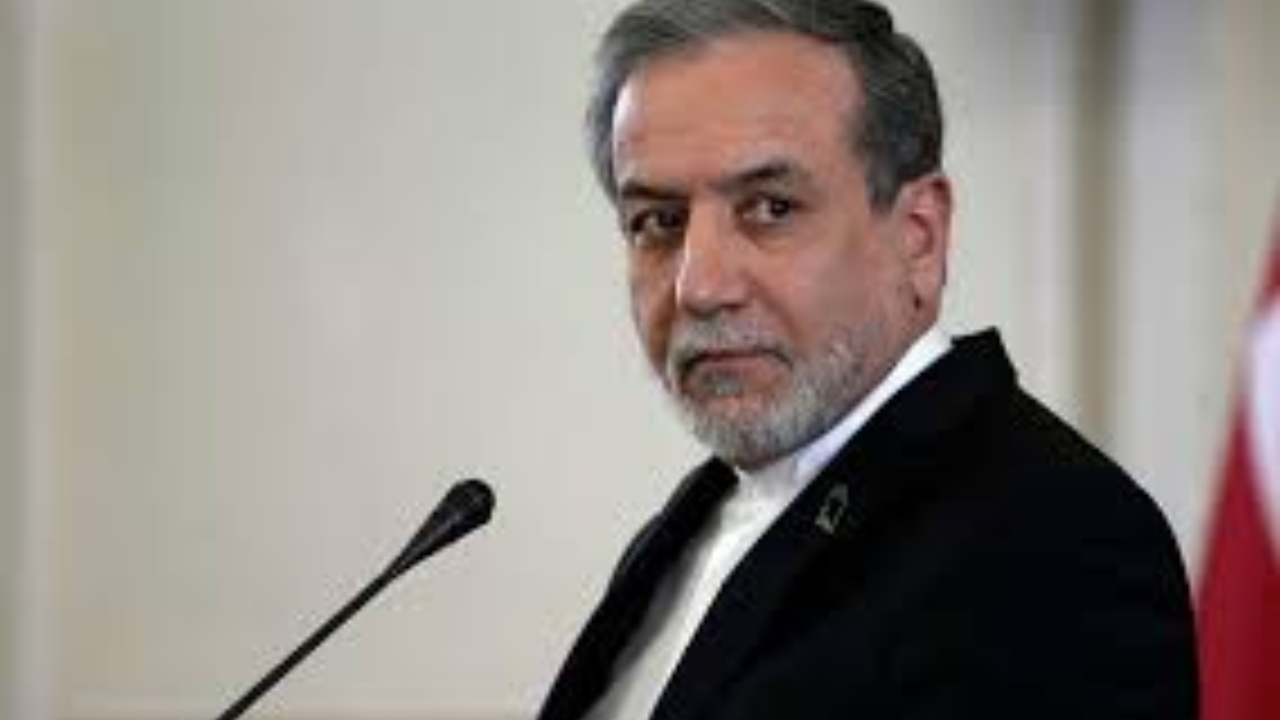
Iranian Foreign Minister Abbas Araghchi signaled Tehran’s readiness for military confrontation during a high-stakes visit to Beirut on January 8, 2026. Araghchi emphasized that while Iran is not actively seeking a wider regional war, it will not hesitate to launch a significant counter-offensive if its sovereignty is violated again.
Thank you for reading this post, don't forget to subscribe!Core Strategic Points
- Ready for Retaliation: Araghchi dismissed past U.S. and Israeli military operations as “failures” and asserted that Iran’s defense systems and missile capabilities are at peak readiness.
- Shift Toward Preemption: In a notable policy shift, Tehran’s Defense Council has suggested it may no longer wait to be hit, indicating that “preemptive action” is now an active part of their military doctrine.
- Nuclear Diplomacy vs. Defiance: Araghchi stated that while the door to nuclear negotiations isn’t fully closed, Tehran will reject any “dictated” terms from the Trump administration’s “maximum pressure” campaign.
Recent Context: A Region on Edge
The current standoff is the result of a volatile 18-month period marked by direct military engagement:
- The June 2025 War: A brief but intense 12-day conflict where Israel targeted high-level Iranian officials and the U.S. conducted precision strikes on nuclear sites in Natanz and Isfahan.
- U.S. Policy: The White House has maintained a “zero-tolerance” policy regarding Iran’s nuclear enrichment, threatening further strikes if infrastructure is rebuilt.
- Domestic Pressure: Internally, the Iranian government is grappling with a new wave of nationwide protests. Officials have blamed these “riots” on foreign interference by Western intelligence agencies.