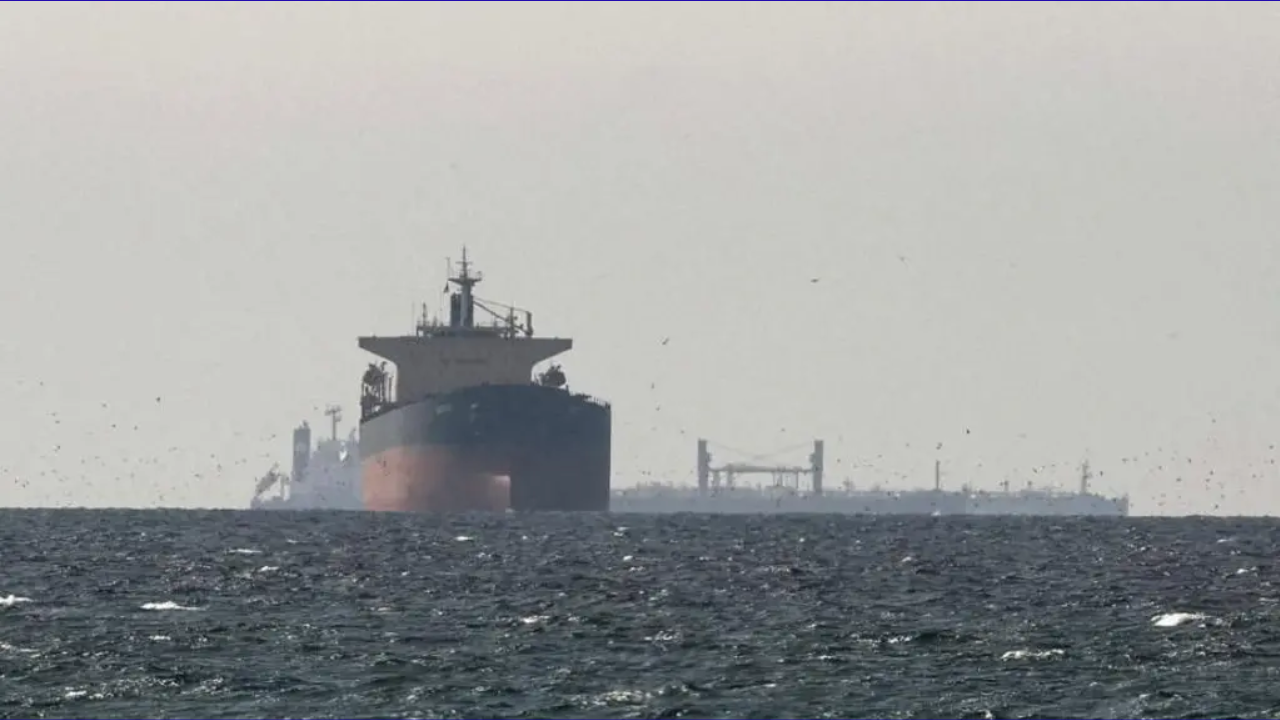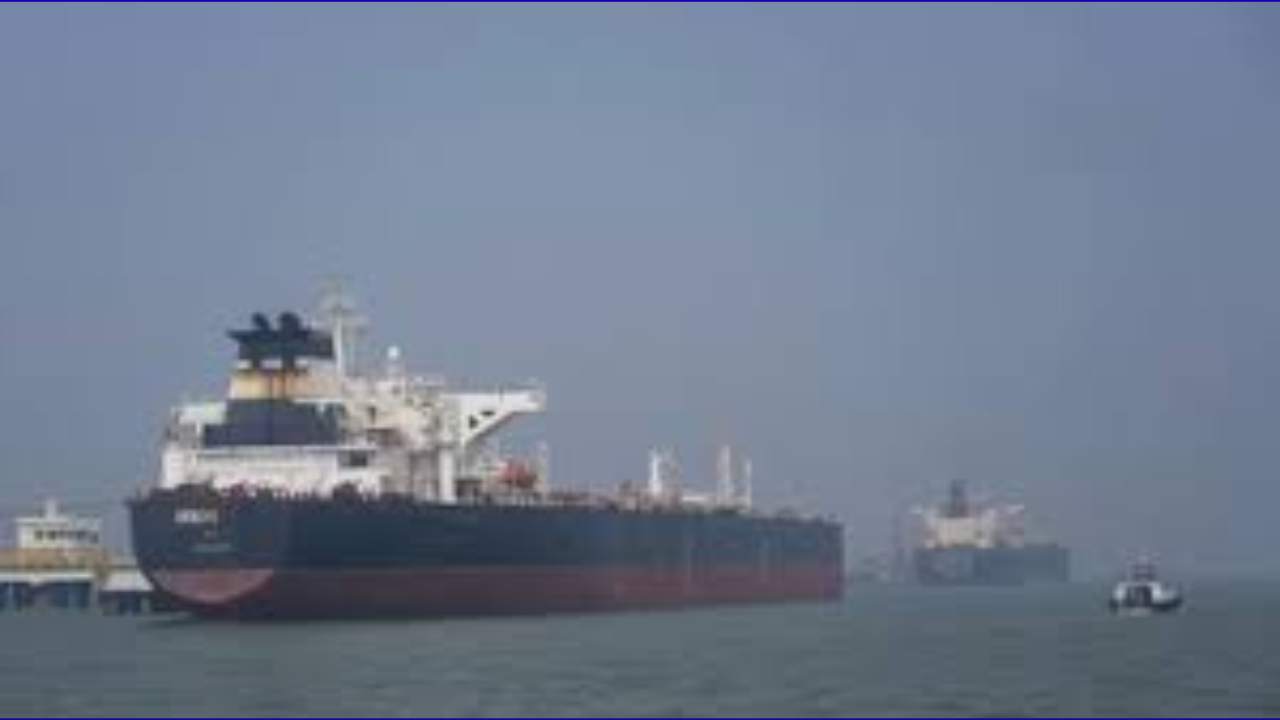
TEHRAN — Iran’s high-level Defense Council has issued a definitive directive regarding the Strait of Hormuz, stating that the “only way” for non-hostile nations to transit the strategic waterway is through direct coordination with Iranian authorities.
Thank you for reading this post, don't forget to subscribe!While the Council maintained that the Strait is not “officially” closed, the new requirement creates a screening process that effectively bars any vessel affiliated with what Tehran deems “hostile powers”—specifically targeting the United States and Israel.
The “Minefield” Ultimatum
The statement, published by several Iranian state outlets, included a severe warning against any military escalation along Iran’s southern borders. The Council declared that:
- Targeting Coasts/Islands: Any attempt by “the enemy” to attack Iranian coastal areas or strategic islands (such as the oil hub of Kharg Island) will trigger immediate defensive mining.
- Total Blockade: In the event of such an attack, Iran plans to deploy various naval mines—including drifting mines launched from the shore—to block not just the Strait, but the entire Persian Gulf.
- Shift of Responsibility: Tehran asserted that the legal and economic consequences of a total Gulf shutdown would rest solely with the “aggressors.”
Strategic Context: March 23, 2026
This declaration comes at a moment of maximum tension in the ongoing conflict:
- Trump’s Deadline: The statement serves as a direct rebuttal to U.S. President Donald Trump’s recent ultimatum, which gave Iran 48 hours to fully reopen the Strait or face the destruction of its national energy infrastructure.
- Economic Impact: Shipping traffic through the region has already plummeted by approximately 90% since the conflict began on February 28. Insurance providers have largely withdrawn “war risk” coverage, leaving the waterway effectively impassable for most commercial tankers.
- Diplomatic Maneuvering: By offering passage to “non-hostile” countries, Iran is attempting to drive a wedge between the U.S. coalition and neutral trade partners like India and China, who have already held direct talks with Tehran to secure energy flows.
Expert Analysis: The mention of “drifting mines” is particularly alarming to the international community. Unlike moored mines, drifting mines move with the current, making them nearly impossible to map and posing a long-term threat to all maritime traffic, regardless of its origin or destination.