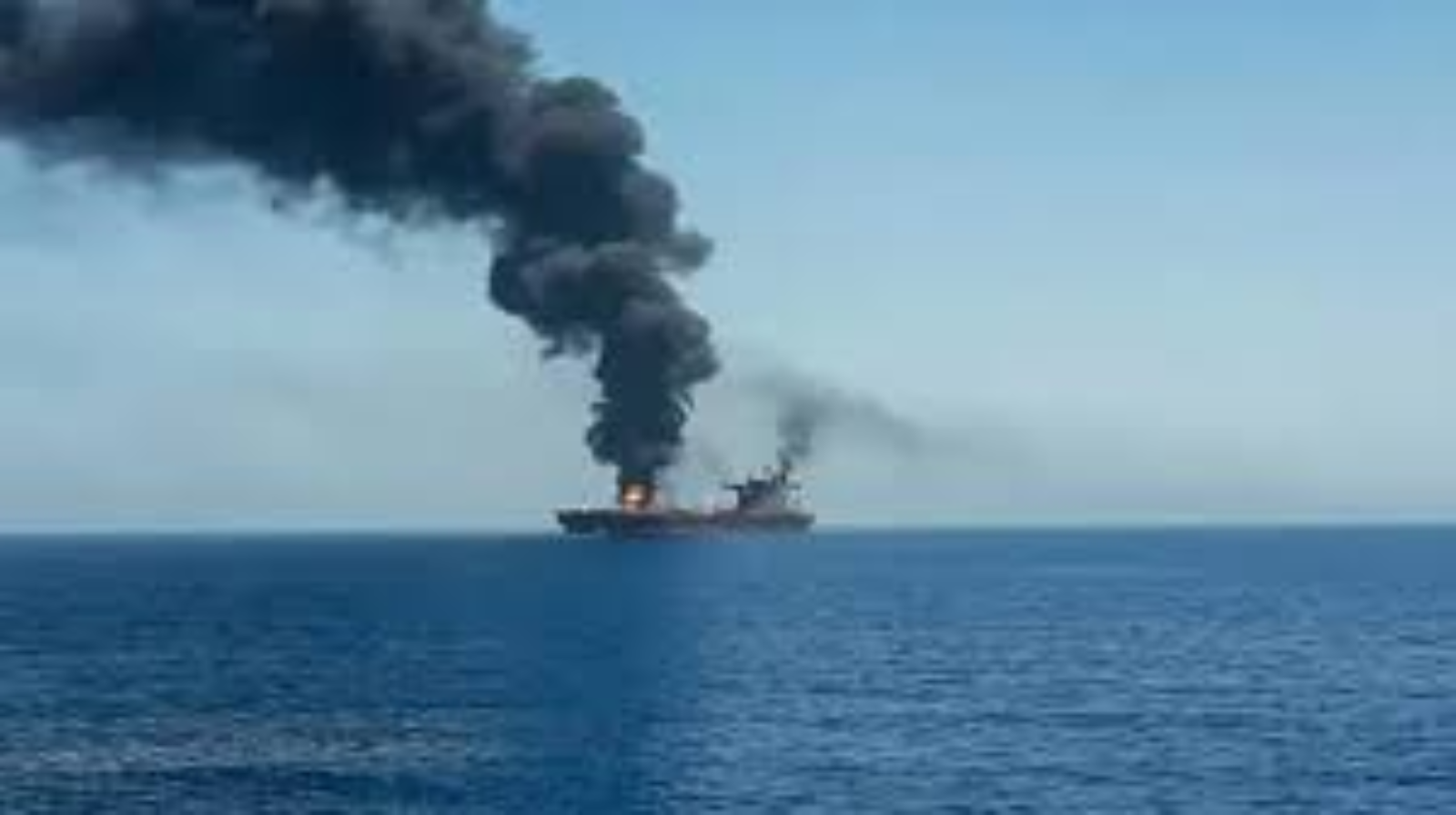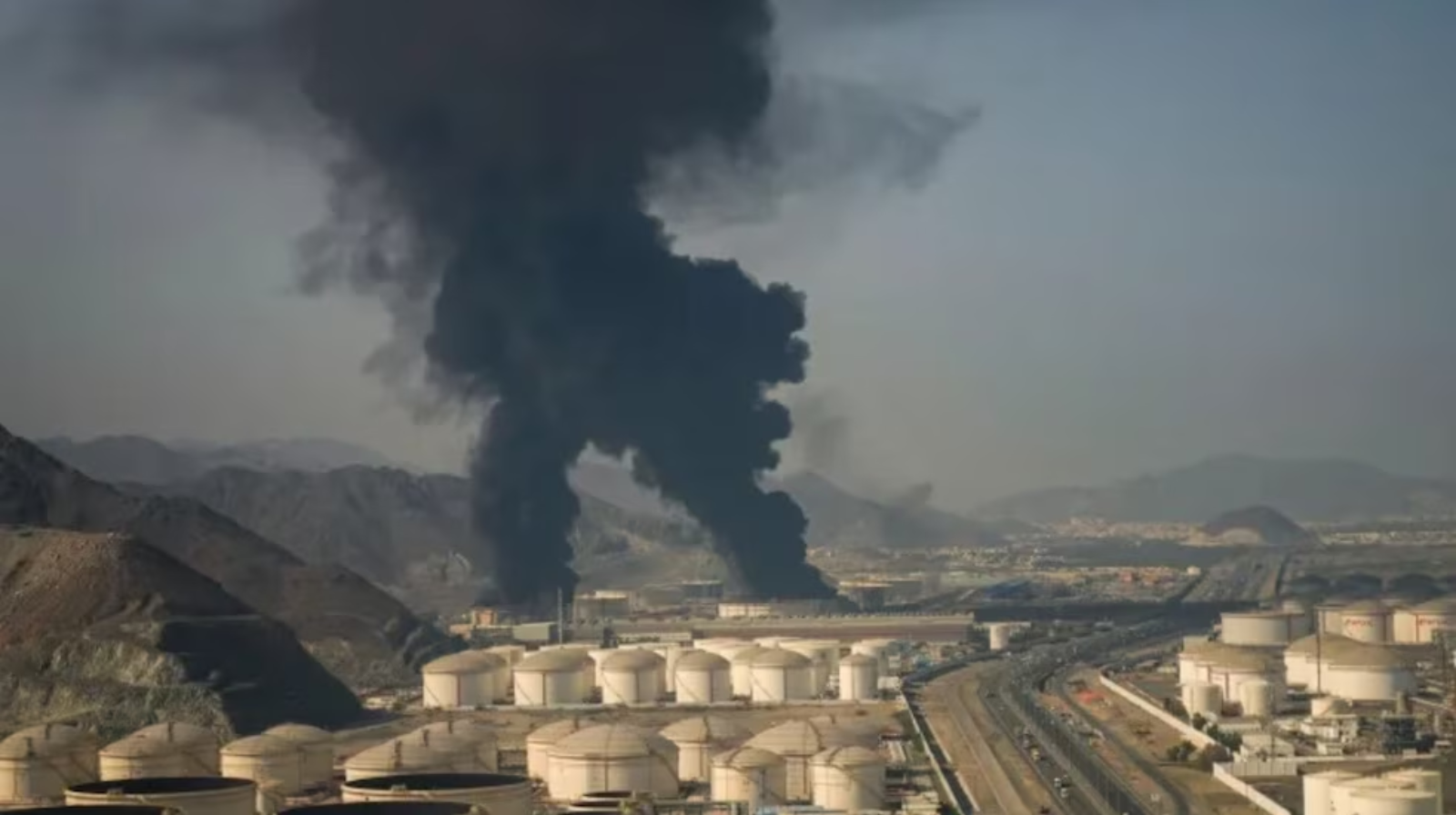
While recent geopolitical shifts have expanded Iran’s maritime reach, the claim that it exerts direct control over four major chokepoints is a strategic overstatement. In reality, Iran’s power is concentrated in a “maritime pincer” centered on two critical gateways: the Strait of Hormuz and the Bab el-Mandeb.
Thank you for reading this post, don't forget to subscribe!1. The Strait of Hormuz: Direct Sovereignty
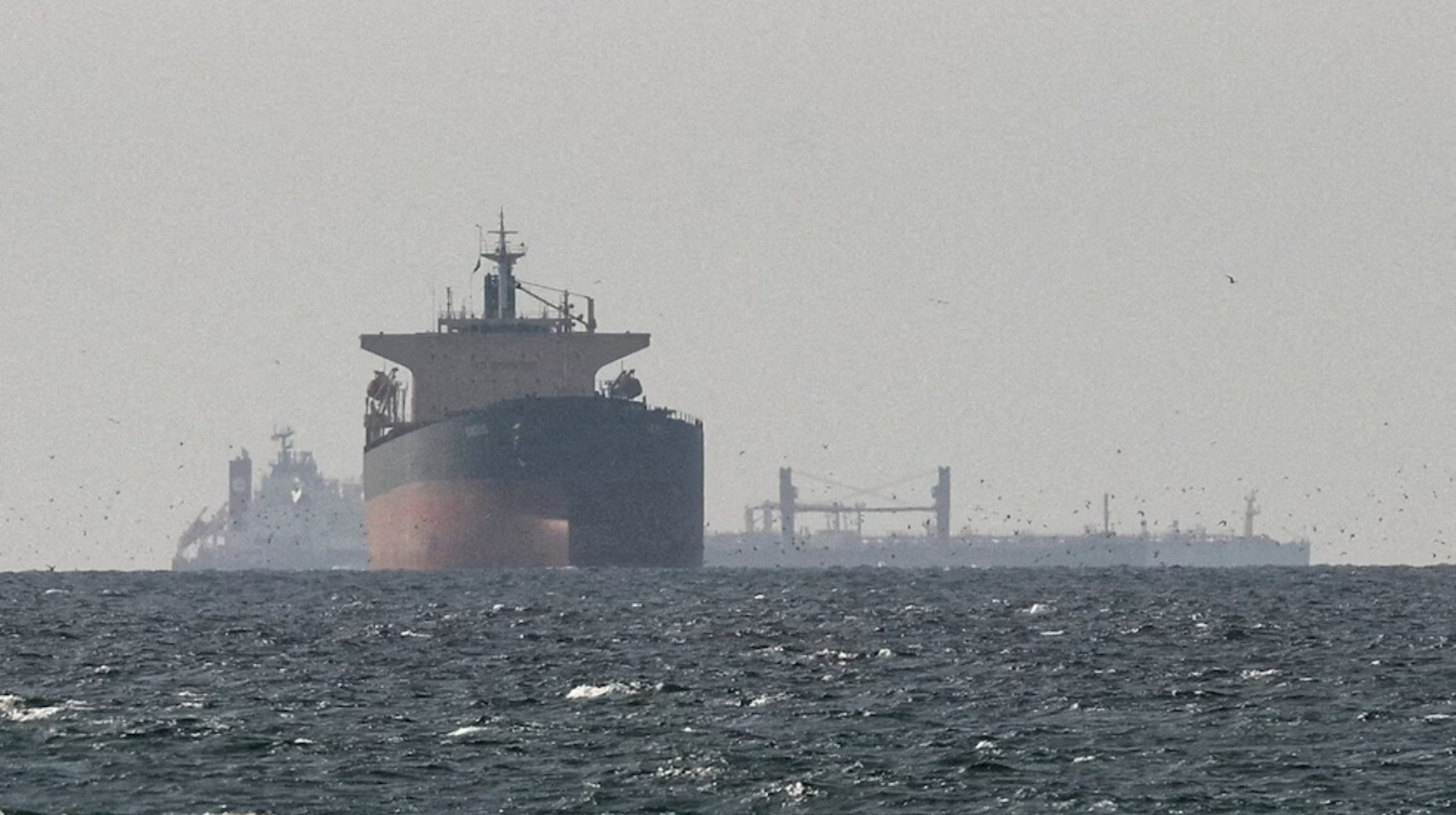
As the world’s most vital oil artery, the Strait of Hormuz remains Iran’s primary lever of global influence.
- Strategic Stance: Iran has recently moved to formalize its presence here, transitioning from naval patrols to a proposed maritime toll system for passing vessels.
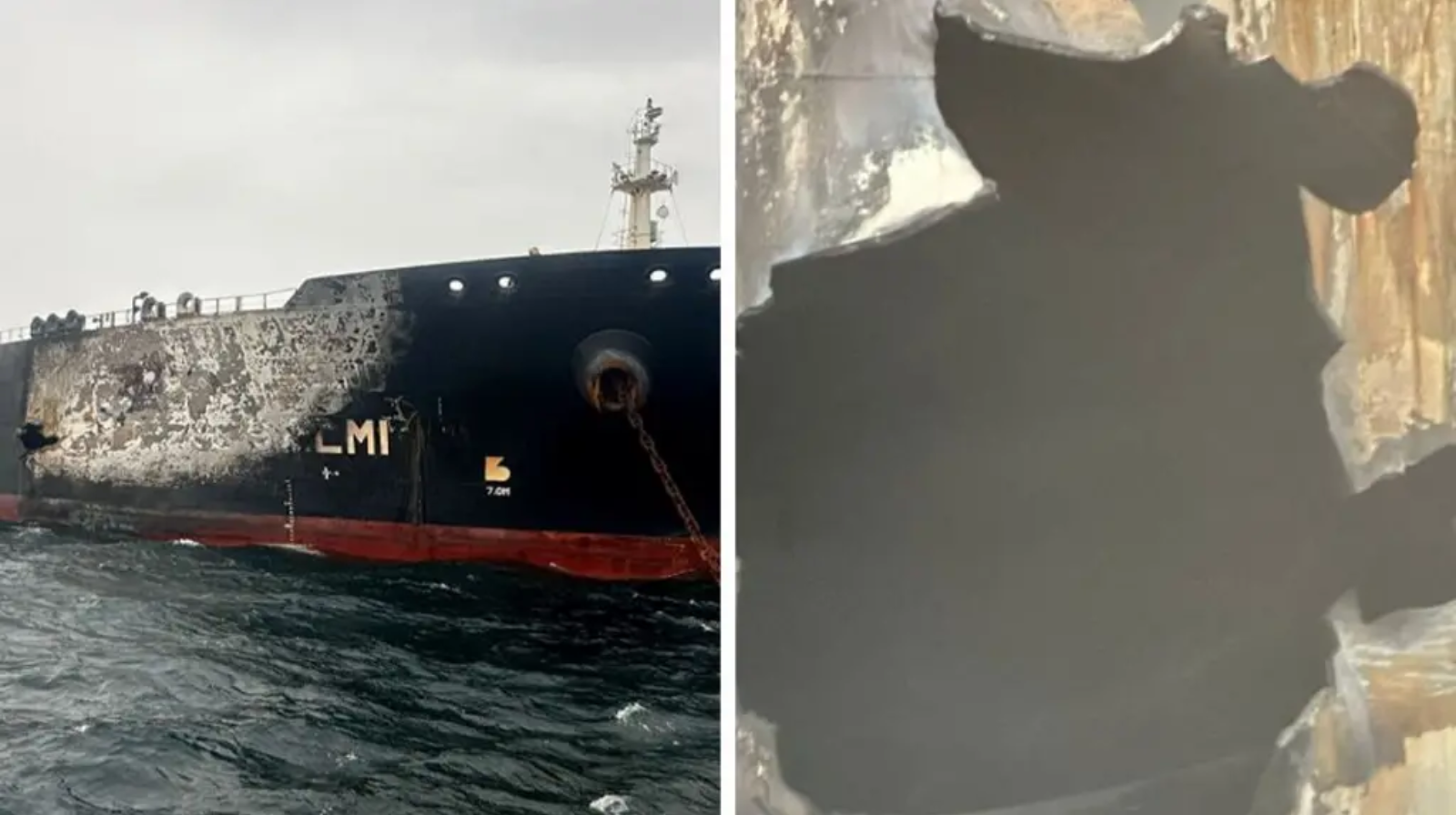
- Global Impact: With approximately 20% of global oil and LNG passing through these waters, Iran’s early 2026 restrictions on specific foreign-flagged vessels have caused significant volatility in international energy markets.
2. The Bab el-Mandeb: Proxy Projection
Iran exerts “remote control” over the entrance to the Red Sea via its alliance with the Houthi movement in Yemen.
- The Tactic: While Iran lacks a direct coastal presence, its supply of long-range drones and anti-ship ballistic technology to Houthi forces allows it to project power over this corridor.
- Economic Consequence: Persistent regional instability has forced major shipping lanes to divert around the Cape of Good Hope, effectively bottlenecking the Suez Canal trade route without occupying the canal itself.
Fact-Checking the “Four Chokepoint” Theory
The idea of Iran controlling four chokepoints—including the Suez Canal and the Strait of Gibraltar—is often cited in military rhetoric rather than geographic reality.
| Chokepoint | Level of Influence | Reality Check |
| Strait of Hormuz | Total/Direct | Primary Iranian territory; holds the “off switch” for global oil. |
| Bab el-Mandeb | High/Proxy | Controlled via Houthi allies; disrupts Red Sea transit. |
| Suez Canal | Indirect | While Iranian actions nearby affect canal traffic, the canal remains under Egyptian sovereignty. |
| Strait of Gibraltar | Rhetorical | Despite occasional threats, Iran lacks the naval assets or regional proxies to affect the Western Mediterranean. |