In a sharp escalation of regional hostilities, Iran’s Islamic Revolutionary Guard Corps (IRGC) issued a direct threat on March 31, 2026, against 18 prominent U.S. corporations. The IRGC has officially classified these civilian entities as “legitimate targets,” alleging their technology—specifically AI and communications infrastructure—facilitates espionage and military operations by the U.S. and Israel.
Thank you for reading this post, don't forget to subscribe!The April 1st Deadline
In an unusually direct move, the Iranian military advised all personnel and residents located near these companies’ regional facilities to evacuate immediately to avoid potential casualties.
Primary Targets Identified
While the full list includes 18 entities, the IRGC highlighted several global industry leaders:
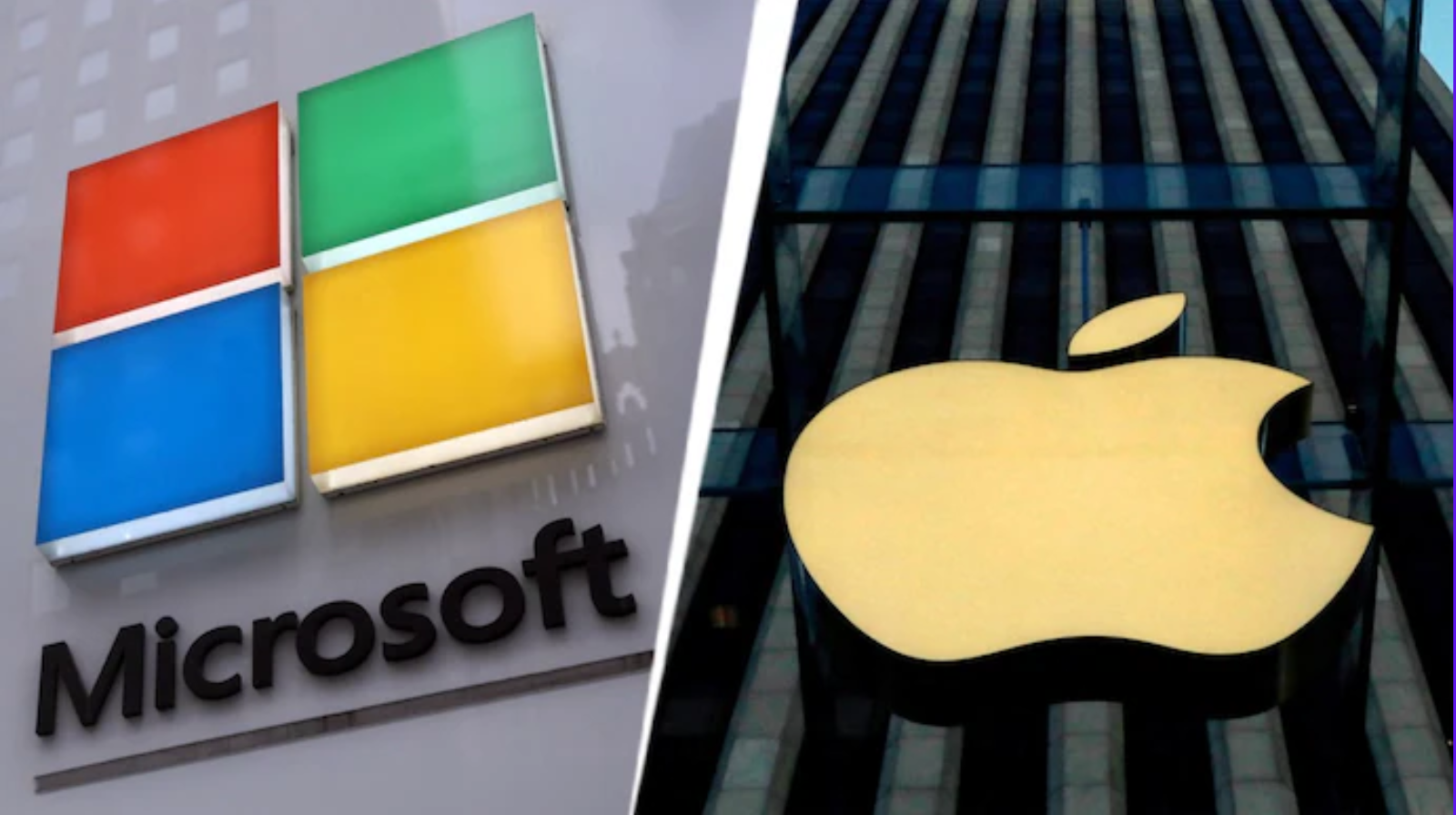
- Software & AI: Microsoft, Apple, Google (Alphabet), Meta, Oracle
- Infrastructure & Hardware: Intel, Cisco, HP, IBM
- Aerospace & Transportation: Boeing, Tesla
Context: “Operation Epic Fury”
Global Security and Economic Impact
The announcement has sent ripples through both financial markets and security sectors:
- Stock Volatility: Shares for Microsoft (MSFT) and Apple (AAPL) experienced immediate pressure as investors weighed the risks of physical and digital retaliation.
- Cybersecurity Warnings: Intelligence agencies are bracing for a surge in “asymmetric” warfare. This includes potential physical strikes on data centers in the Gulf region and sophisticated wiper malware attacks designed to cripple corporate networks.
- Regional Risks: The threat puts a spotlight on the vulnerability of U.S. cloud hubs and regional offices situated in the UAE, Israel, and Saudi Arabia.