Trump Imposes 25% Tariff on Indian Imports, Citing Trade and Russia Ties
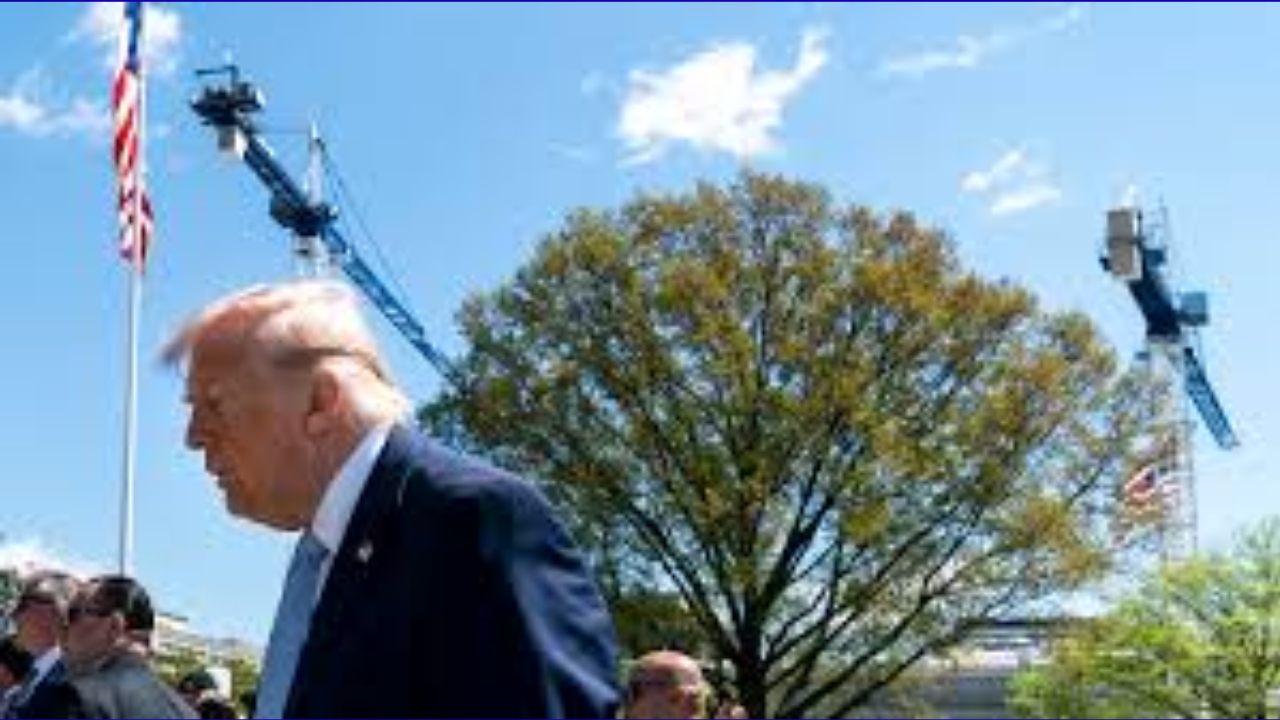
Thank you for reading this post, don't forget to subscribe!New Delhi, India – July 31, 2025 – US President Donald Trump has announced a significant 25% tariff on Indian imports, set to take effect on August 1, 2025. This move, which also includes an unspecified “penalty” related to India’s energy and defense dealings with Russia, has sparked strong condemnations from Indian political and economic figures, raising concerns about its legality, economic repercussions, and the future of bilateral trade relations.
Unilateral Action Draws Sharp Criticism
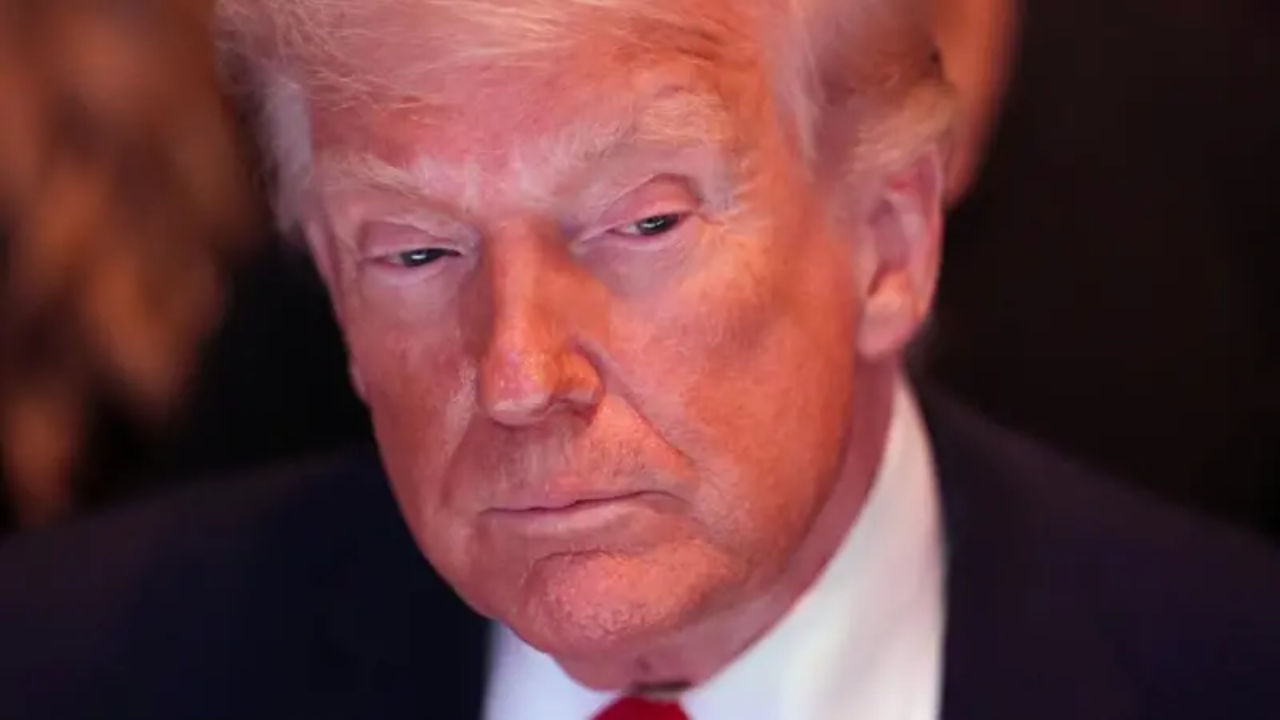
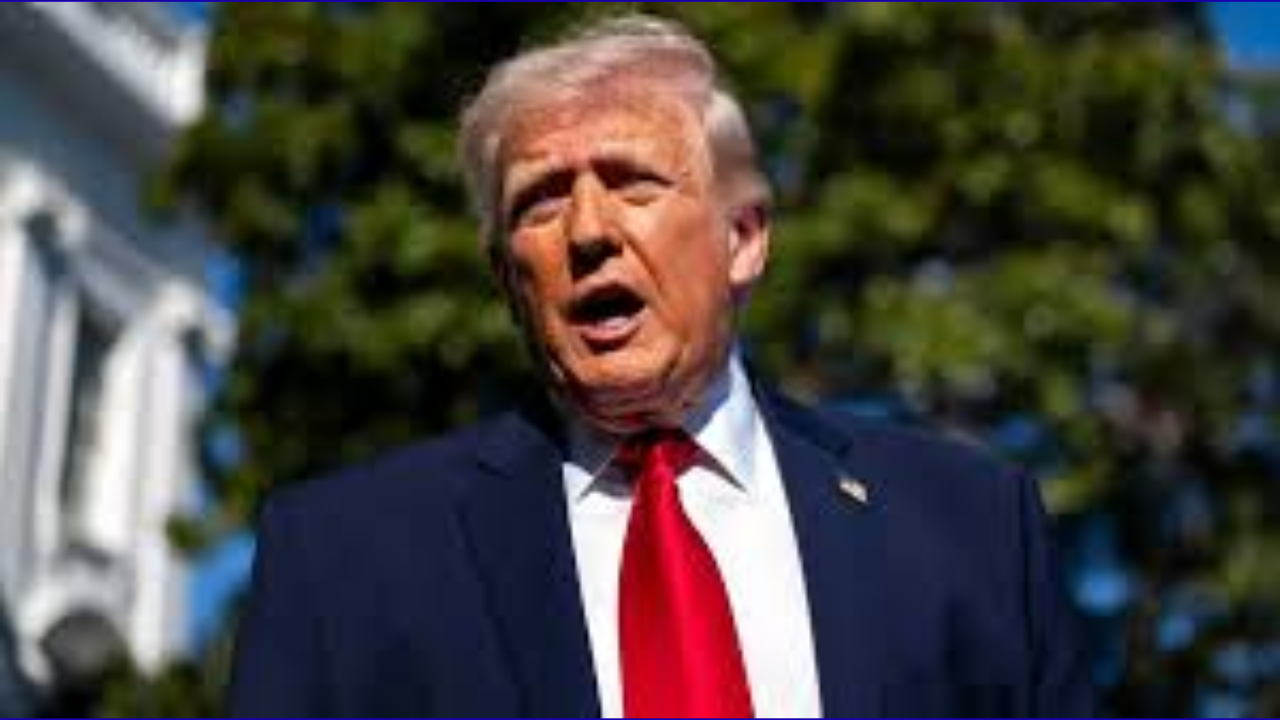
President Trump justified the tariffs by claiming India maintains “far too high” tariffs and “strenuous and obnoxious non-monetary trade barriers.” He further linked the “penalty” to India’s substantial purchases of Russian oil and military equipment, asserting these undermine international efforts to address the ongoing conflict in Ukraine.
Indian leaders have swiftly reacted. Senior Congress leader P. Chidambaram called the tariff a “clear violation of WTO rules,” a sentiment echoed by former Ambassador to the WTO, Anjali Prasad, who warned of potential chaos in the global trading system due to such unilateral actions. “Dosti [friendship] is no substitute for diplomacy and painstaking negotiations,” Chidambaram stated, taking a jab at the Modi government.
Economic Fallout and Vulnerable Sectors
The tariffs are expected to deliver a significant blow to India’s economy. A study by the State Bank of India (SBI) projected that a 20% flat tariff could result in a 0.5% loss to India’s GDP, with every 1% rise in tariffs potentially leading to a 0.5% decline in export volumes. Barclays and ANZ have also forecasted a noticeable hit to India’s GDP growth in the current fiscal year if these tariffs persist.
The United States is India’s largest trading partner, accounting for roughly 18% of India’s total merchandise exports in 2024. Key sectors like pharmaceuticals, gems and jewelry, textiles, footwear, and furniture are particularly vulnerable to these new duties. Exporters are grappling with the immediate impact, especially given the lack of clarity on the “penalty” component. Some may temporarily absorb losses, hoping for a swift resolution through a future Bilateral Trade Agreement (BTA).
India’s Strategic Options and Ongoing Negotiations
Despite the tariff announcement, India’s Commerce and Industry Ministry has stated it is studying the implications and remains committed to safeguarding national interests. Congress leader Shashi Tharoor emphasized that India has other avenues if the US remains “unreasonable,” pointing to ongoing trade negotiations with the EU, a recently concluded deal with the UK, and discussions with other countries. “If America is completely unreasonable with its demands, we have to move elsewhere,” Tharoor asserted, highlighting India’s strong domestic market as a key strength.
Experts suggest that while Trump’s initial statements can be aggressive, negotiations are likely to continue. Former Finance Secretary S.C. Garg labeled the US approach as “sheer blackmail,” arguing it’s incompatible with fair trade practices. US officials are expected to visit India in August for the next round of BTA negotiations, which have been underway since March 2025. India has maintained a firm stance in these talks, particularly regarding its agriculture and dairy sectors.
A Test for US-India Relations
This tariff imposition, just days before its August 1 deadline, underscores President Trump’s aggressive trade strategy. Raymond Vickery, Senior Associate at the Centre for Strategic and International Studies, described the move as “unfortunate,” believing it undermines decades of bipartisan progress in US-India relations. He urged India to demonstrate global leadership in navigating these challenging negotiations.
The coming weeks will be crucial as India seeks to mitigate the economic impact and defend its position within the international trade framework.