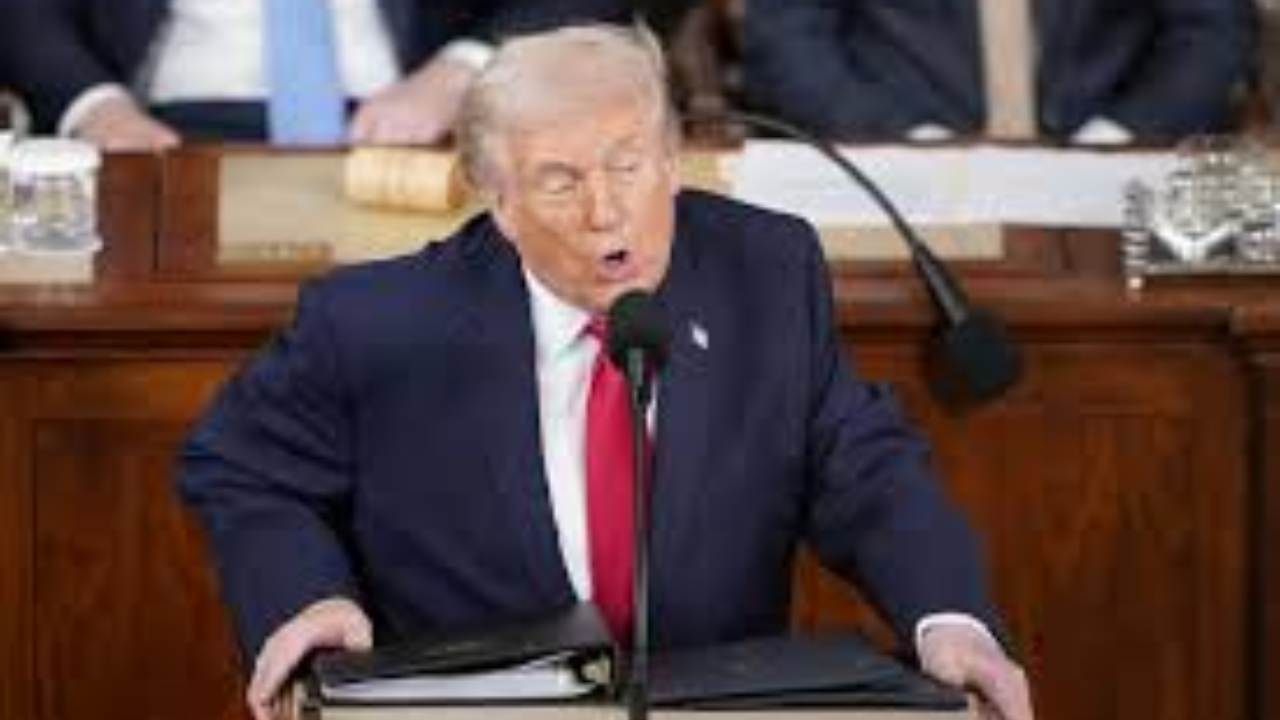
The Indian government is responding cautiously to US President Donald Trump’s announcement of a 25% tariff on Indian goods, effective August 1, 2025, along with an unspecified additional penalty linked to India’s trade and defense ties with Russia.1
Thank you for reading this post, don't forget to subscribe!India’s Official Stance
The Indian government’s statement, issued on Wednesday, July 30, 2025, highlighted its commitment to:
- Studying the Implications: The government acknowledged Trump’s statement and stated it is “studying its implications.”2
- Ongoing Negotiations: India emphasized that it has been engaged in negotiations with the US for months to finalize a “fair, balanced, and mutually beneficial bilateral trade agreement.”3
- Protecting National Interests: The government reiterated its priority in safeguarding the welfare of Indian farmers, entrepreneurs, and Micro, Small, and Medium Enterprises (MSMEs).4 It assured that “all necessary steps to secure our national interests” will be taken, citing the recently concluded Comprehensive Economic and Trade Agreement with the UK as a precedent.5
Trump’s Rationale
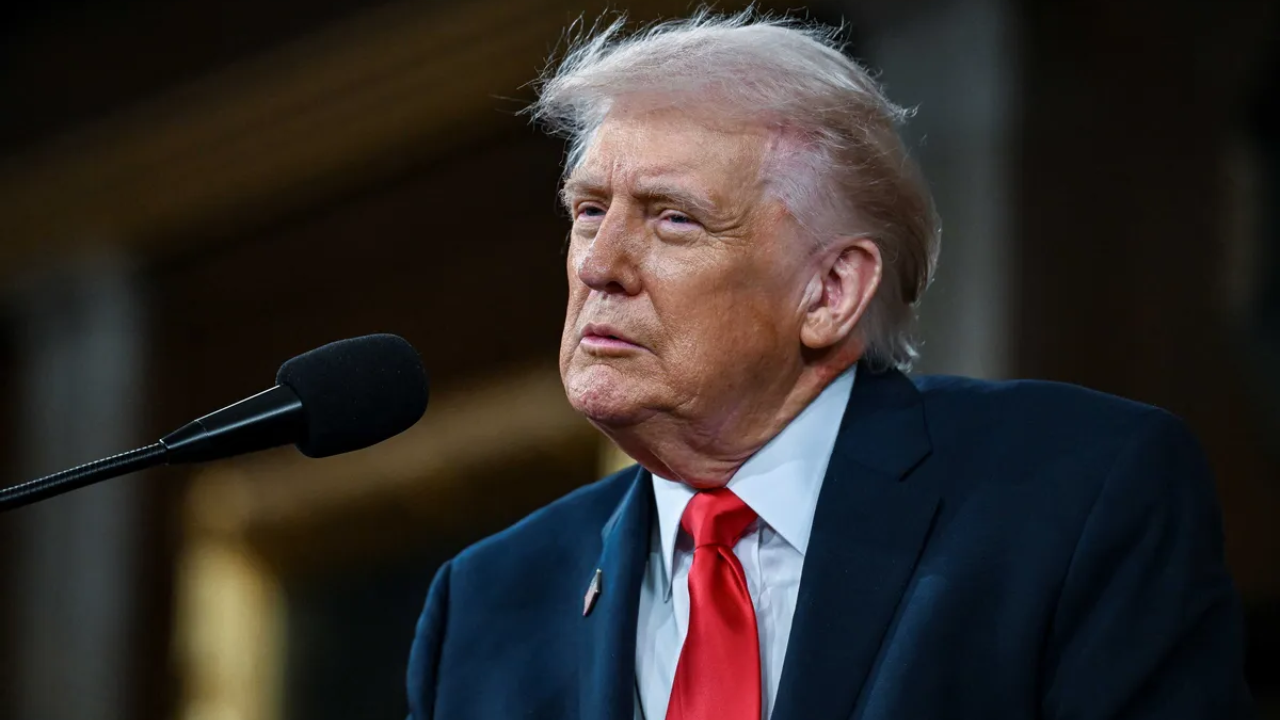
President Trump, in a Truth Social post, justified the tariffs by stating that India’s tariffs are “far too high—among the highest in the world—and they have the most strenuous and obnoxious non-monetary trade barriers of any country.” He also criticized India for purchasing a “vast majority” of its military equipment and energy from Russia.
Trade Talks and Future Outlook
- Stalled Negotiations: Despite five rounds of talks, the US and India have faced hurdles in their bilateral trade agreement (BTA) negotiations, particularly concerning market access for US agricultural and dairy products, data localization, and pricing controls on medical devices.6 India has consistently refused to concede on these key areas.
- Upcoming Discussions: Rajesh Agrawal, India’s chief negotiator, and Brendan Lynch, Assistant US Trade Representative, led the latest round of talks in Washington.7 A US trade delegation is expected to visit India in the second half of August for the sixth round of BTA negotiations.8
- Market Impact: Nilesh Shah, Managing Director of Kotak Mahindra AMC, anticipates an unfavorable response from Indian markets to the US tariff decision.9
- Strategic Relationship: While trade tensions persist, both countries recognize the broader strategic importance of their relationship, especially given India’s role in the Indo-Pacific region.
Despite the immediate challenges, India appears to be adopting a more assertive and principled approach to its economic diplomacy, prioritizing long-term strategic autonomy over short-term trade concessions.10 The upcoming negotiations will be crucial in determining the path forward for India-US trade relations.