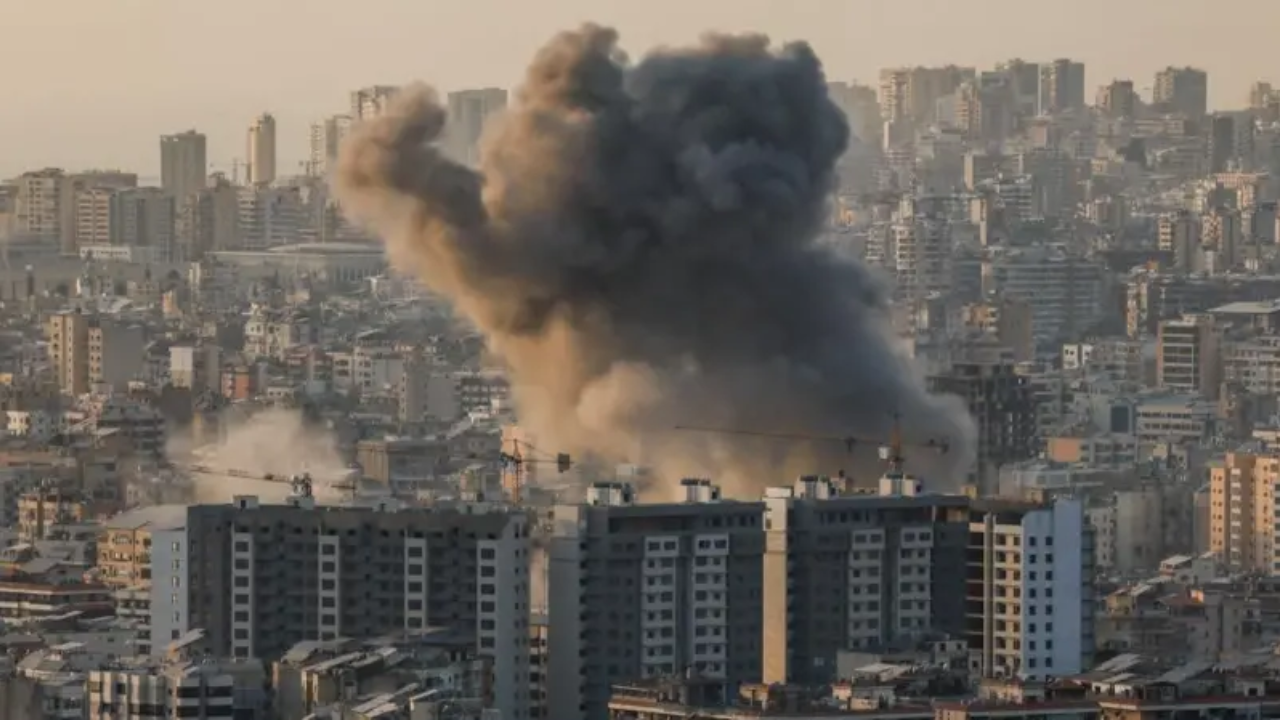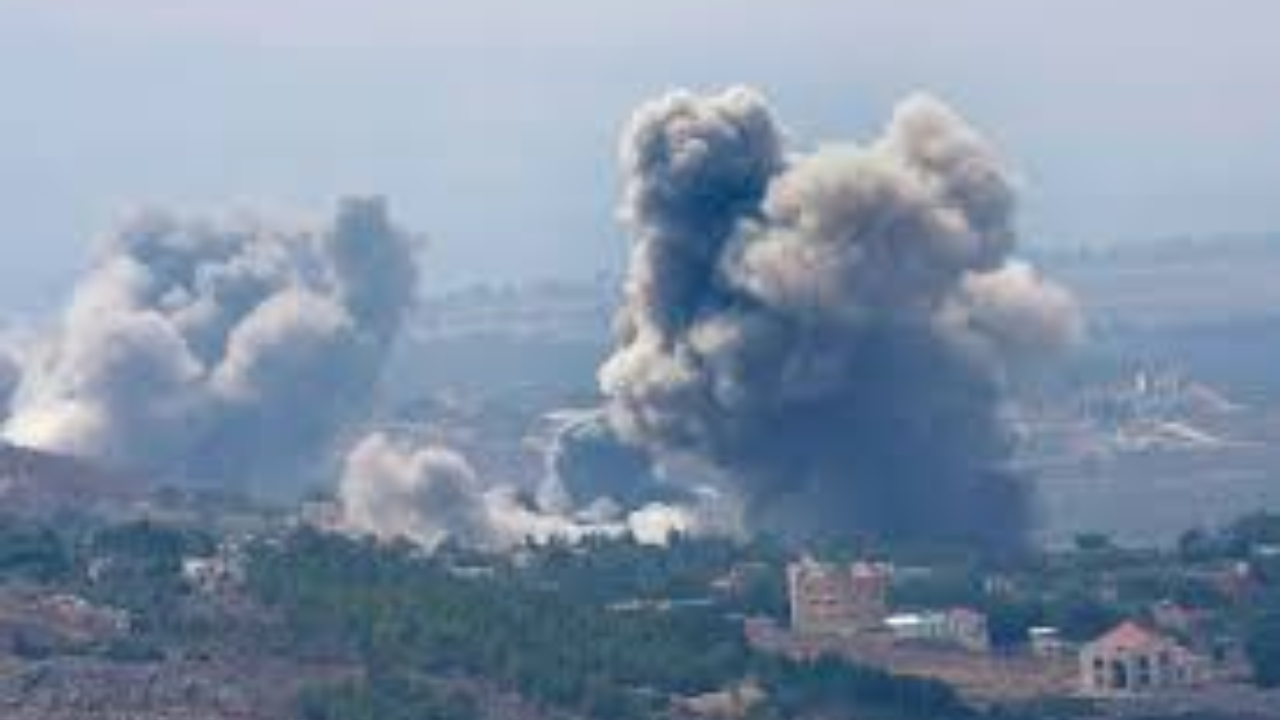
The Israeli Defense Forces (IDF) have accelerated their operations in Lebanon, reporting that they have struck more than 110 Hezbollah command centers as of mid-March 2026. This escalation represents a strategic shift toward dismantling Hezbollah’s command-and-control capabilities within the heart of Beirut and across southern Lebanon.
Thank you for reading this post, don't forget to subscribe!Strategic Targets in Beirut
The aerial campaign has moved beyond the outskirts, hitting several high-density areas:
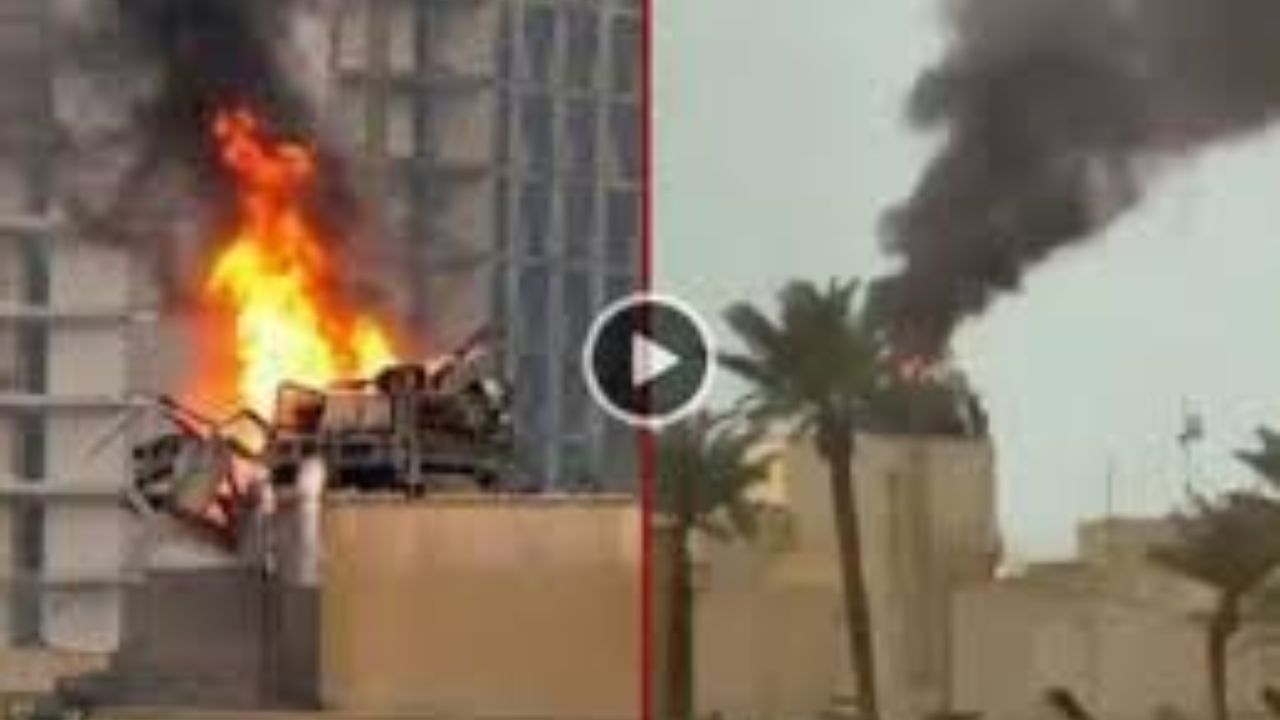
- Intelligence & Logistics: Strikes have targeted intelligence headquarters and munitions depots tucked within residential blocks in the Dahiyeh district.
- Central Beirut Strikes: In a rare move, operations expanded to central neighborhoods like Bashoura, where the IDF alleges Hezbollah maintained a presence near diplomatic and government sites.
- Economic Degradation: Following a “follow the money” strategy, Israel has targeted Al-Qard Al-Hassan financial branches, which serve as Hezbollah’s primary banking network, in an effort to freeze their operational funding.
The Humanitarian & Regional Landscape
The intensity of the strikes has led to a significant shift in the region’s stability:
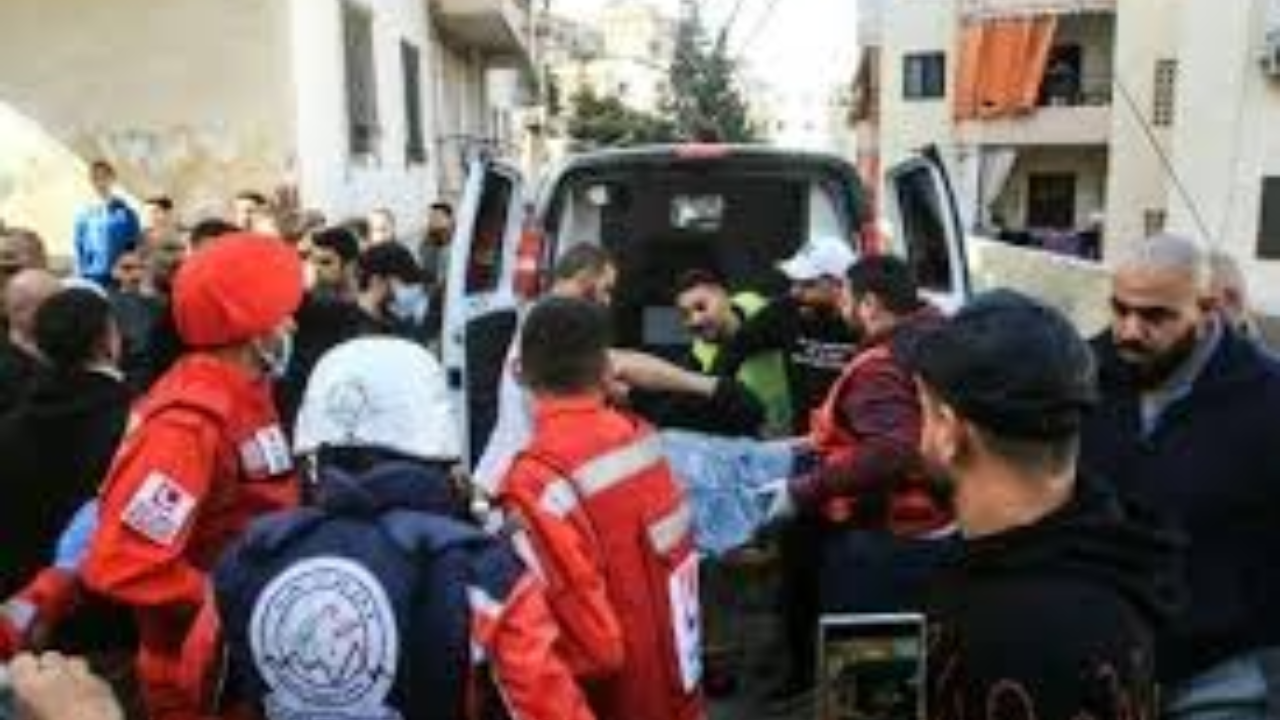
- Mass Displacement: Estimates suggest nearly one million people have fled their homes, creating a massive internal displacement crisis in Lebanon.
- Ground Invasion Posture: Tactical movements suggest Israel is preparing for a large-scale ground maneuver. The stated goal is to clear Hezbollah presence south of the Litani River to secure Israel’s northern border.
- Global Reactions: While Israel asserts that it provides evacuation warnings to minimize civilian casualties, international observers and Lebanese authorities have raised alarms over the rising death toll and the destruction of urban infrastructure.
Summary of Casualties (since March 2)
| Metric | Reported Figure |
| Confirmed Deaths | 630+ |
| Injuries | 1,600+ |
| Displaced Persons | ~1 Million |
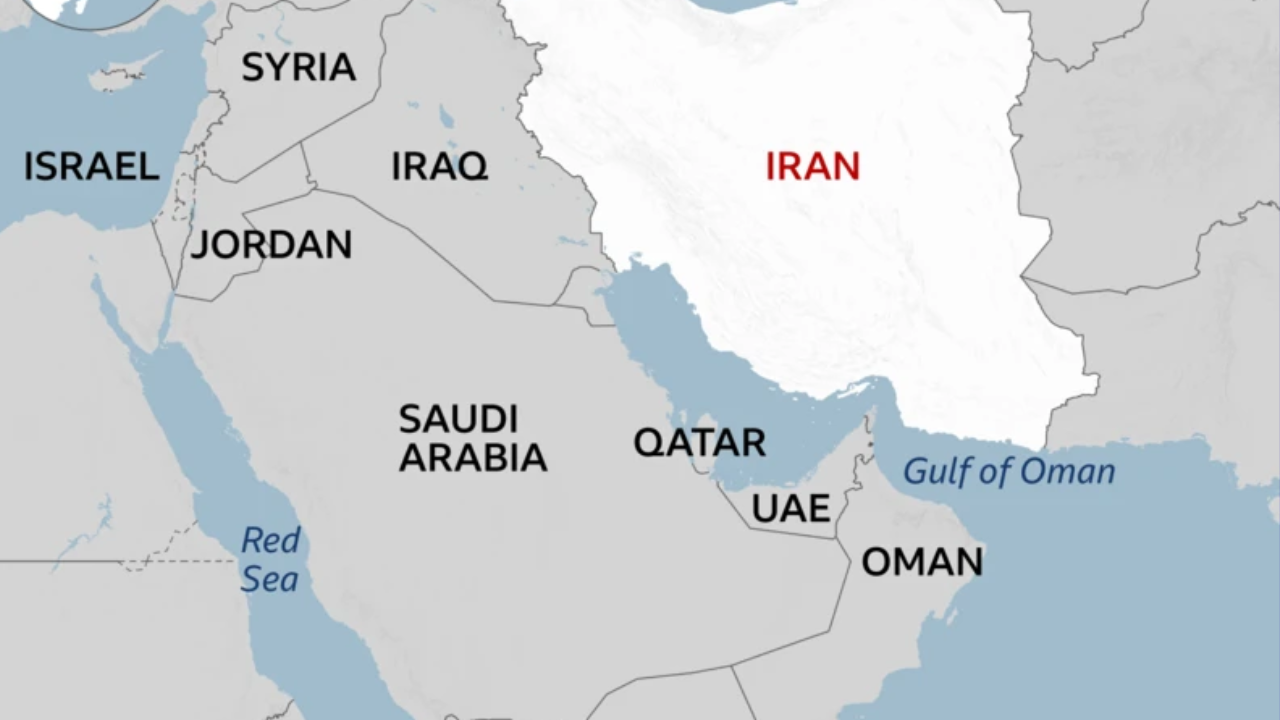
Context: This offensive follows a period of heightened regional tension involving direct exchanges between Israel, Hezbollah, and Iranian interests, marking one of the most volatile periods in the region in decades.