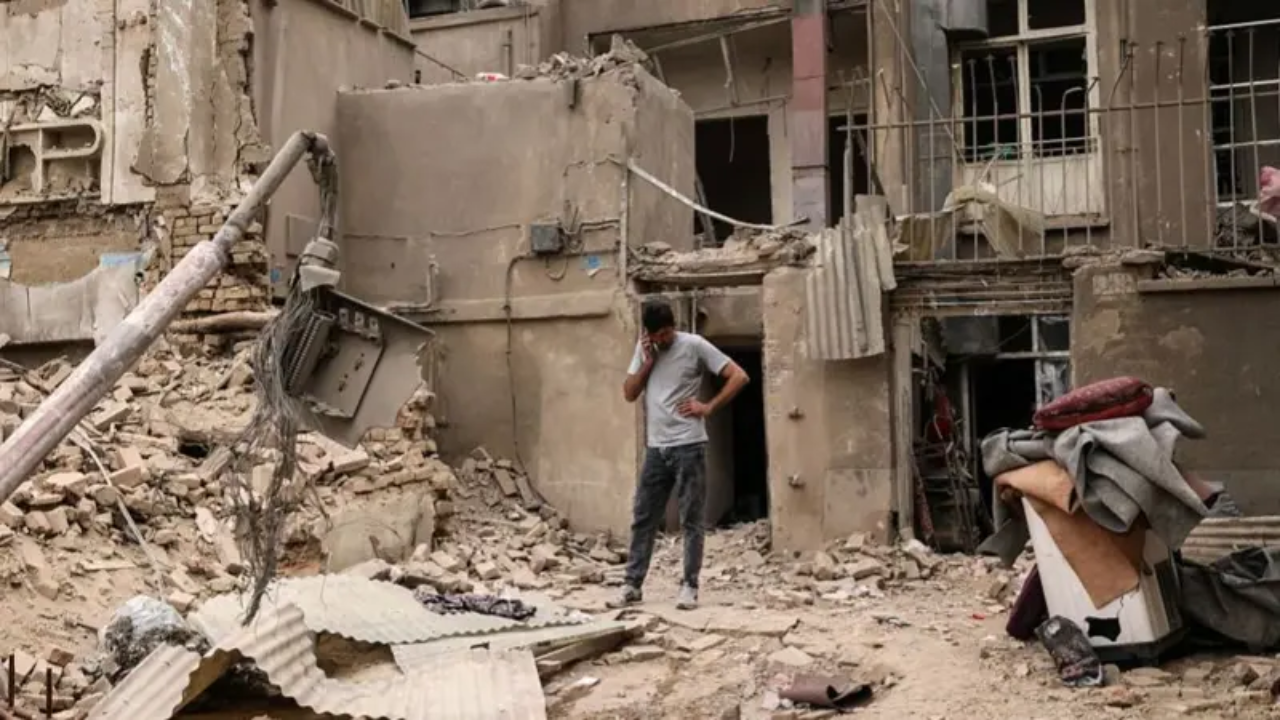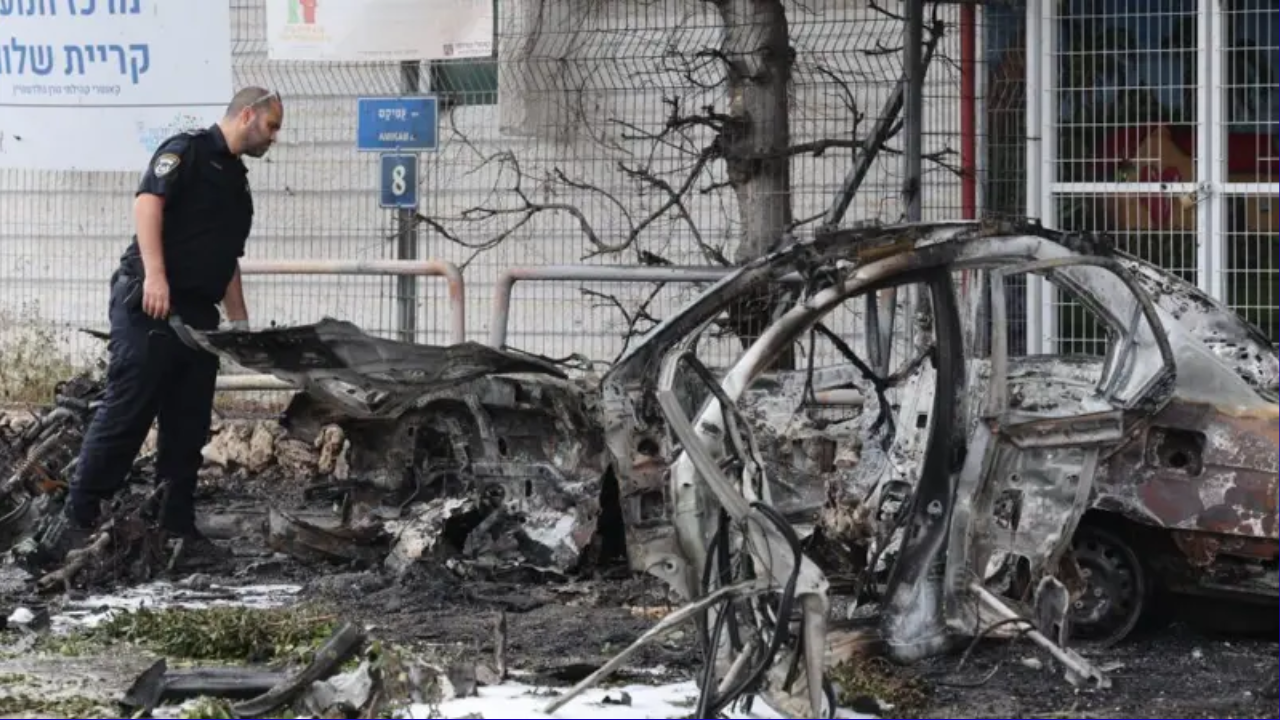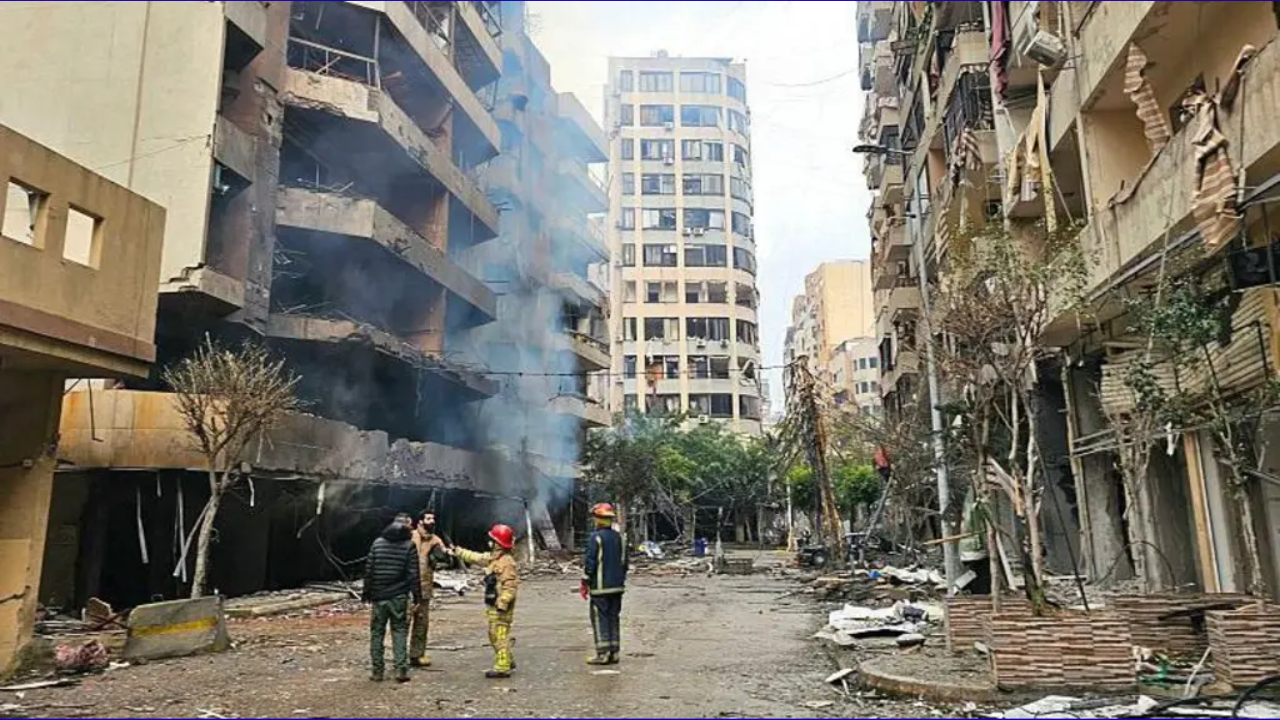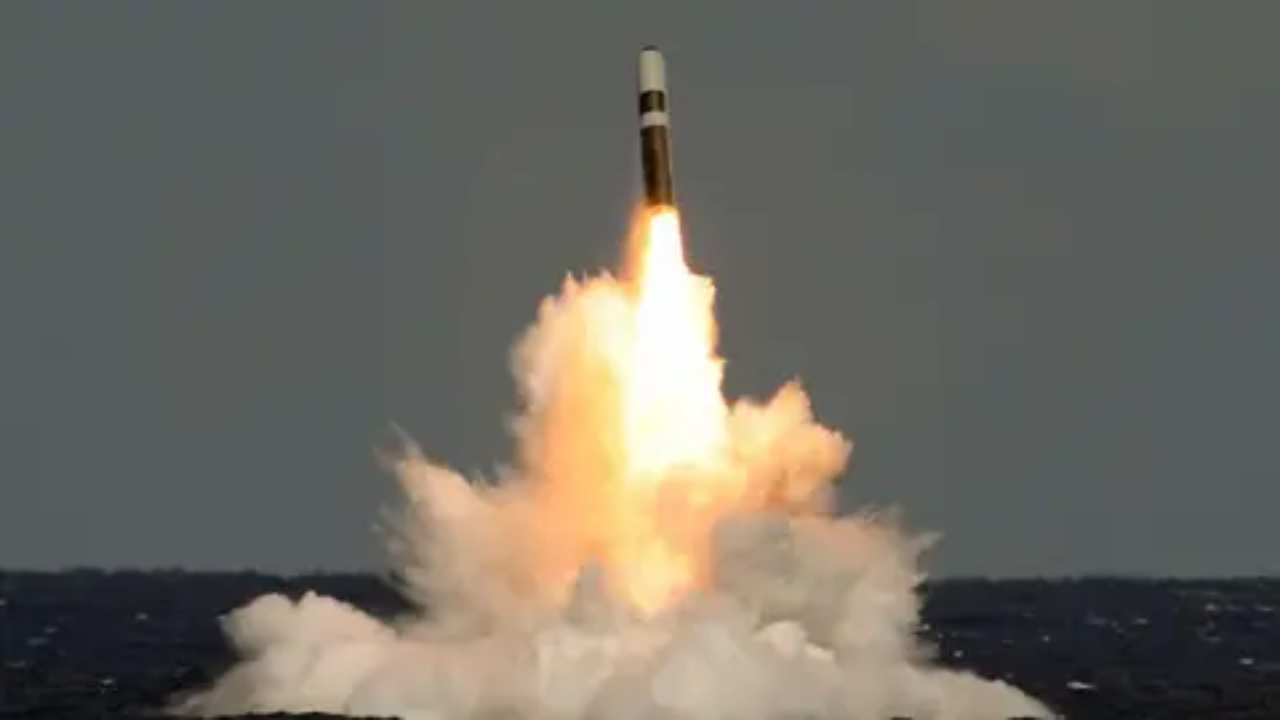
The Israeli military has officially shifted gears, moving from surgical strikes to a broad-spectrum offensive across Iran. As of mid-March 2026, the IDF is no longer just pruning the edges; they are aiming for the “brain” of the Iranian military apparatus.
Thank you for reading this post, don't forget to subscribe!The Strategic Shift
The focus has moved beyond the well-known nuclear sites (like Parchin) and toward the infrastructure that keeps the regime’s military functioning:
- Command & Control: Targeted strikes in the Hamedan region hit IRGC and Basij paramilitary headquarters, designed to paralyze communication between Tehran and its regional units.
- Geographic Spread: Operations have reached Tabriz (industrial/logistics hubs), Isfahan (aerospace and missile production), and Kharg Island (critical energy and naval infrastructure).
- Degradation Progress: Intelligence suggests that roughly 80% of Iran’s offensive drone and missile capacity has been neutralized after three weeks of sustained joint US-Israeli pressure.
The Wider Fallout
The “ripple effect” of these strikes is being felt far beyond the borders of Iran and Israel:
| Area | Current Status |
| Global Economy | Oil has spiked past $100/barrel as markets panic over the Strait of Hormuz. |
| Regional Defense | Gulf nations are actively intercepting projectiles to prevent a spillover of the conflict. |
| Diplomacy | Ceasefire talks in Oman have stalled; both the US and Iran appear committed to their current trajectories. |
The “No Stopwatch” Policy
The IDF has signaled a long-term commitment here. Unlike previous flare-ups, there is no set deadline for a withdrawal. The goal is a permanent reduction of Iran’s ability to project power—meaning these expanded strikes are likely just the beginning of a deeper phase of the conflict.