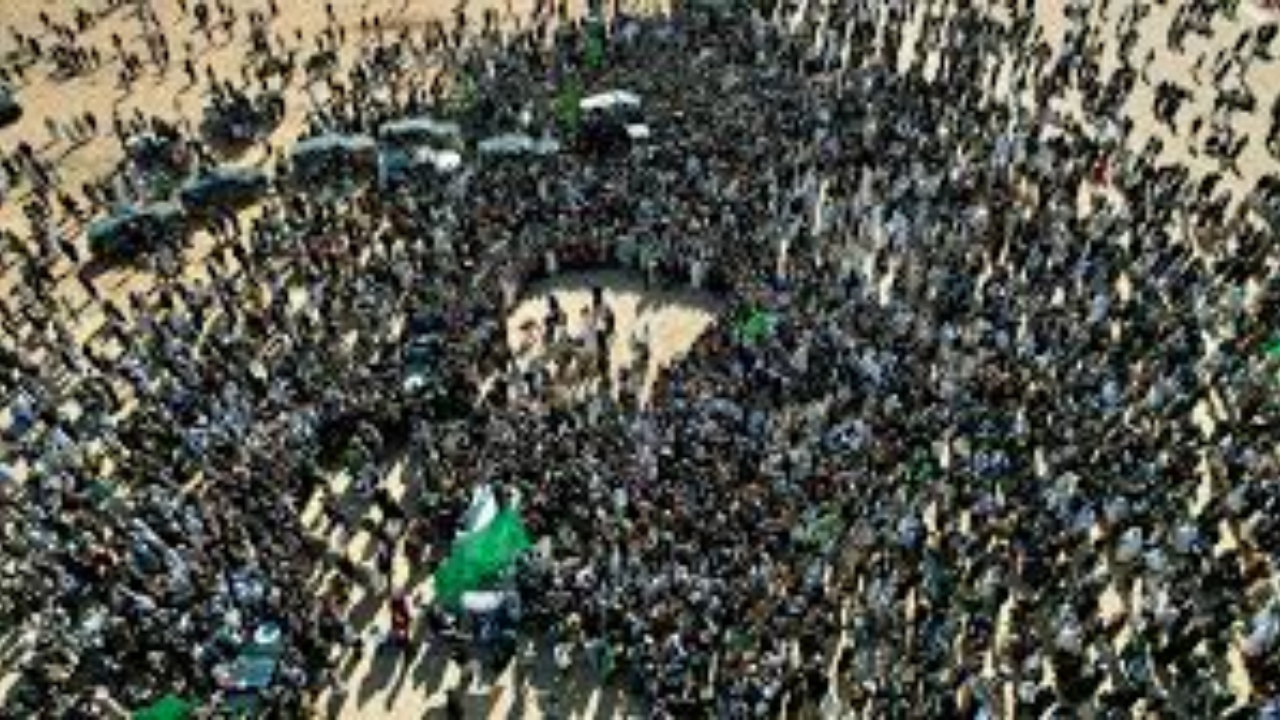
BANI WALID, Libya – In a massive display of mourning that underscored Libya’s enduring political fractures, thousands of people gathered on Friday to bury Seif al-Islam Gadhafi. The son and one-time heir apparent of the late Moammar Gadhafi was assassinated earlier this week in a targeted shooting.
Thank you for reading this post, don't forget to subscribe!The Scene at the Funeral
- Green Flags: The streets were filled with the plain green flags of the former Jamahiriya era, which have not been seen in such large numbers in years.
- Mourners: Supporters traveled from across the country, chanting slogans and carrying portraits of Seif al-Islam and his father.
- Burial: He was laid to rest alongside his brother, Khamis, signaling a symbolic end to the political aspirations of the Gadhafi family’s most prominent remaining figure.
The Assassination: What We Know
The death of Seif al-Islam on Tuesday, February 3, has sent shockwaves through the region. Details of the attack include:
- The Location: The shooting occurred at his residence in Zintan, where he had lived for years following his release from formal detention.
- The Attackers: Reports indicate that four masked gunmen breached the property’s security, disabled surveillance systems, and opened fire before fleeing the scene.
- The Investigation: While no group has claimed responsibility, the interim government in Tripoli has launched an inquiry, calling the killing a “cowardly act” intended to destabilize the nation’s fragile peace.
A Polarizing Legacy Silenced
Seif al-Islam’s death removes one of the most controversial figures from the Libyan chessboard. Once seen by the West as a potential reformer before the 2011 revolution, he later became a fugitive from the International Criminal Court (ICC).
In recent years, he had attempted a political comeback, registering as a presidential candidate in 2021. For his supporters, he represented a path back to national stability; for his detractors, he was a reminder of a decades-long dictatorship. His death now leaves a significant power vacuum among the “Green” loyalist factions in Libya.