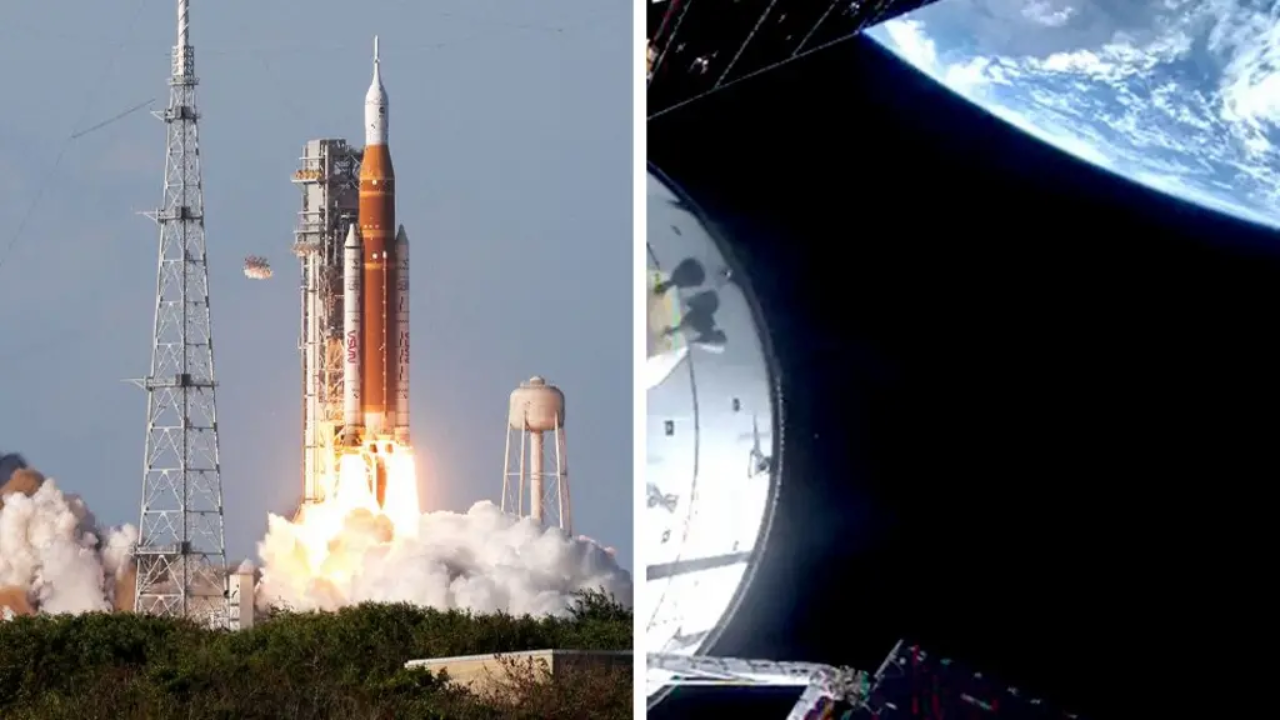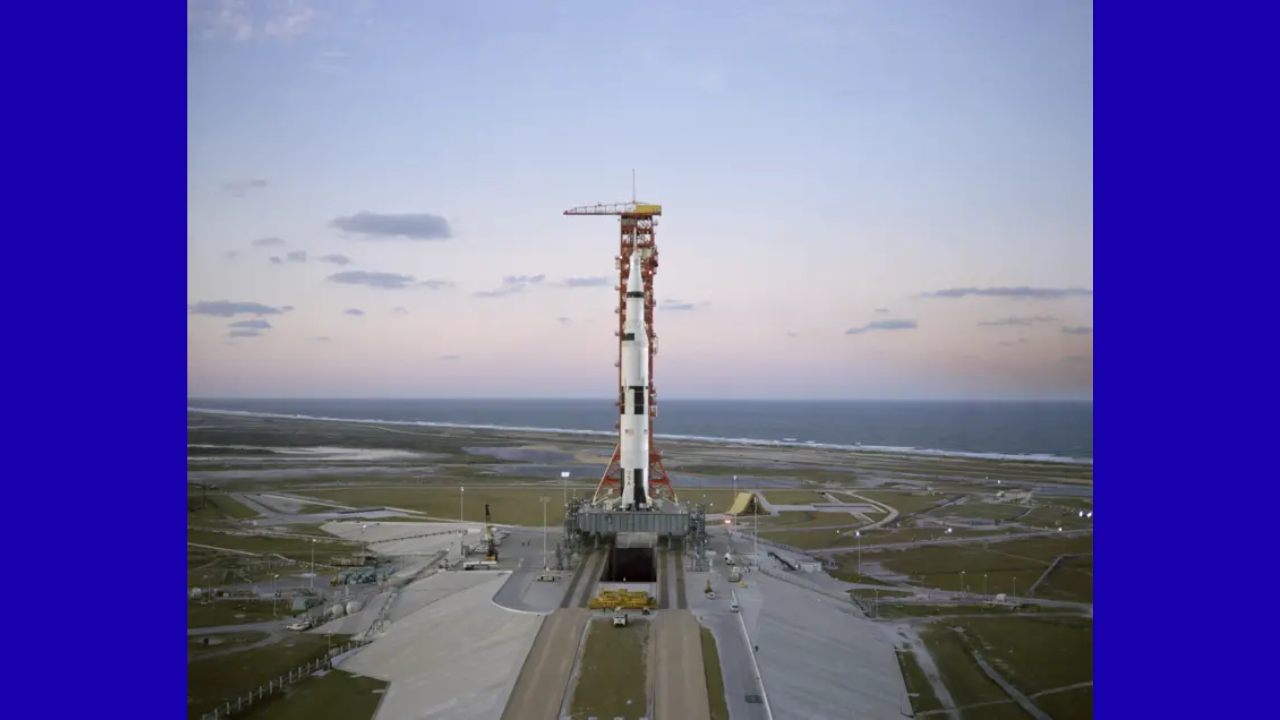
The duration of a lunar voyage isn’t fixed; it is a variable determined by the mission’s objective, the type of engine used, and whether the craft is carrying human passengers. Generally, a direct flight takes about three days, but the range spans from a few hours to over a year.
Thank you for reading this post, don't forget to subscribe!1. Crewed Missions: The 3-Day Standard
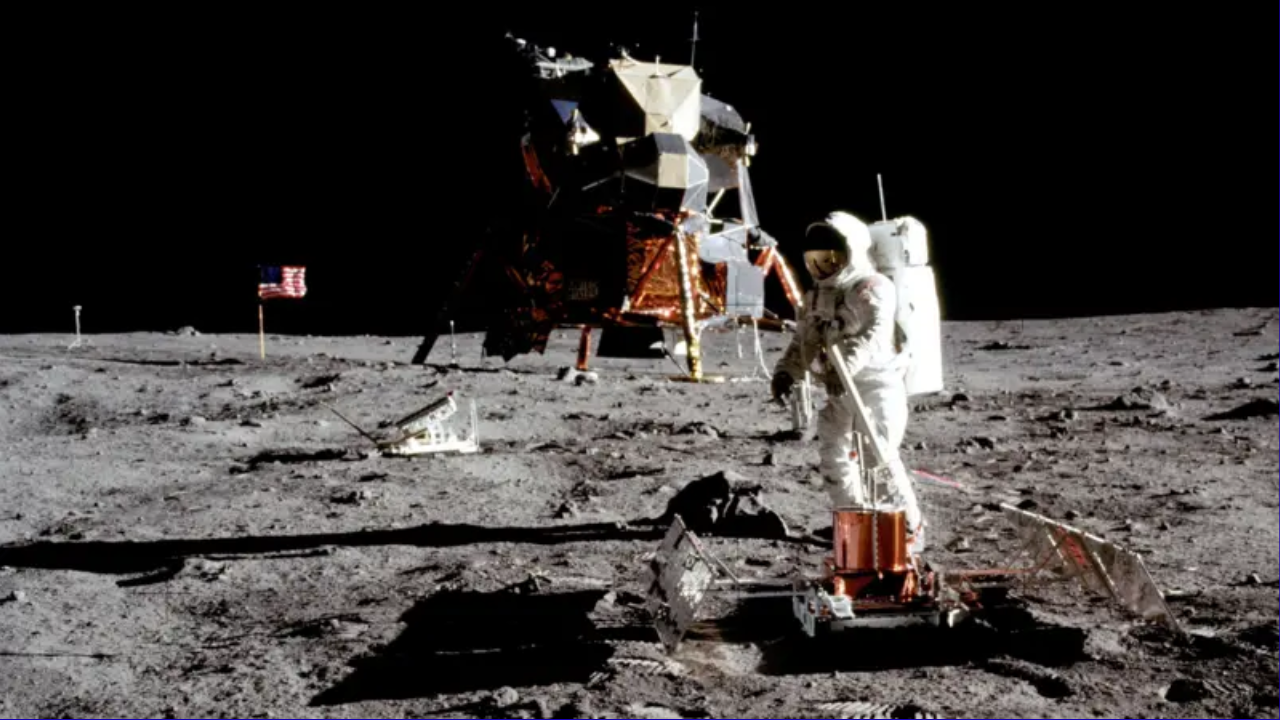
- The Apollo Era: Apollo 11 reached lunar orbit in 3 days, 3 hours, and 49 minutes. The record for the fastest crewed trip is held by Apollo 8, which arrived in just 69 hours.
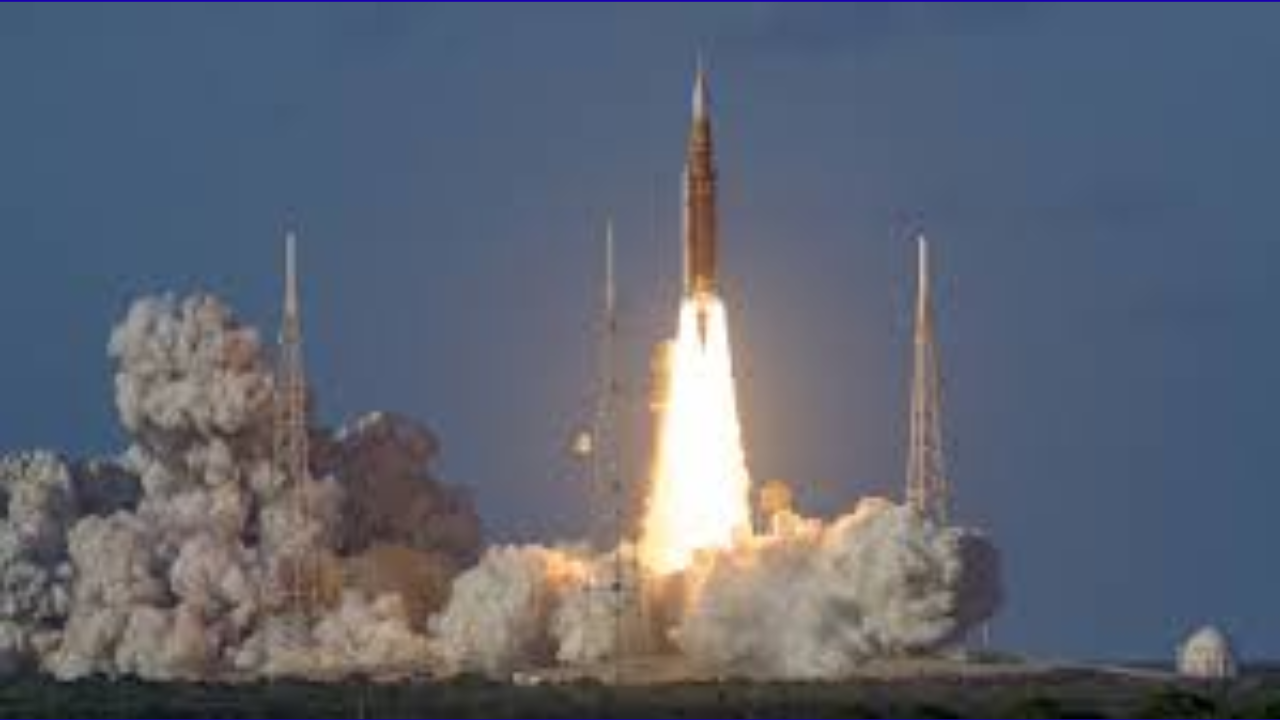
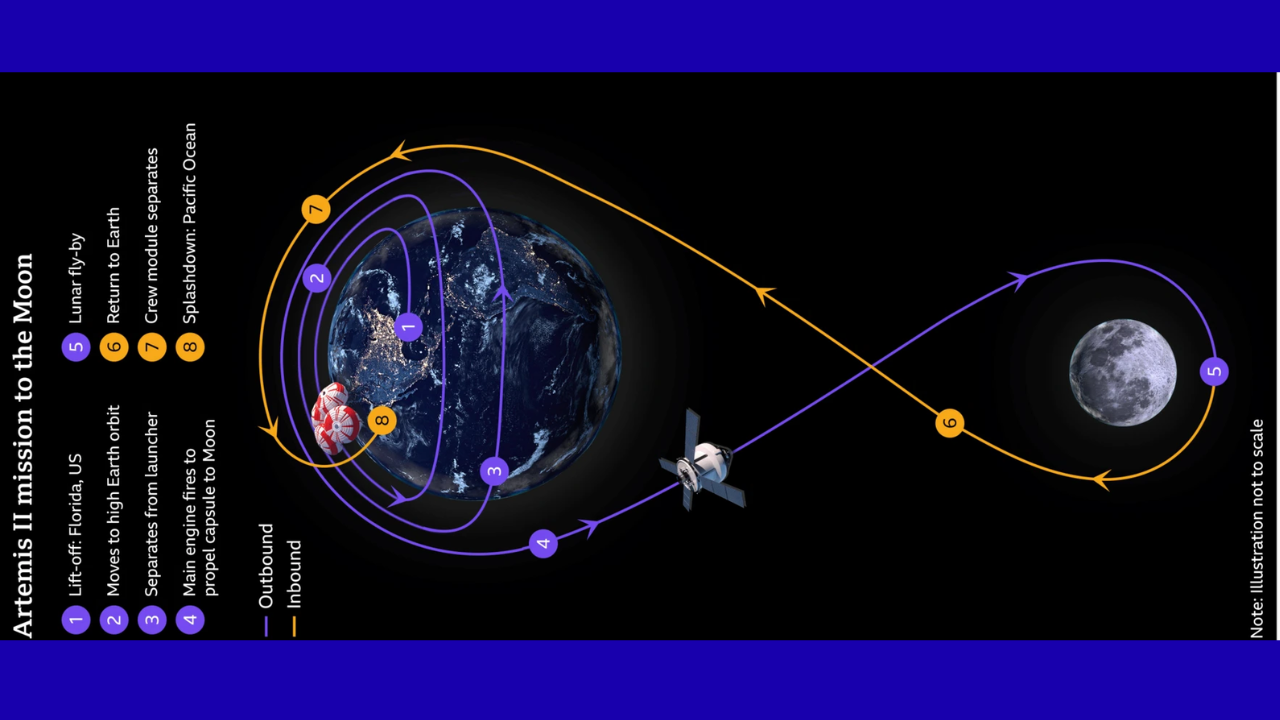
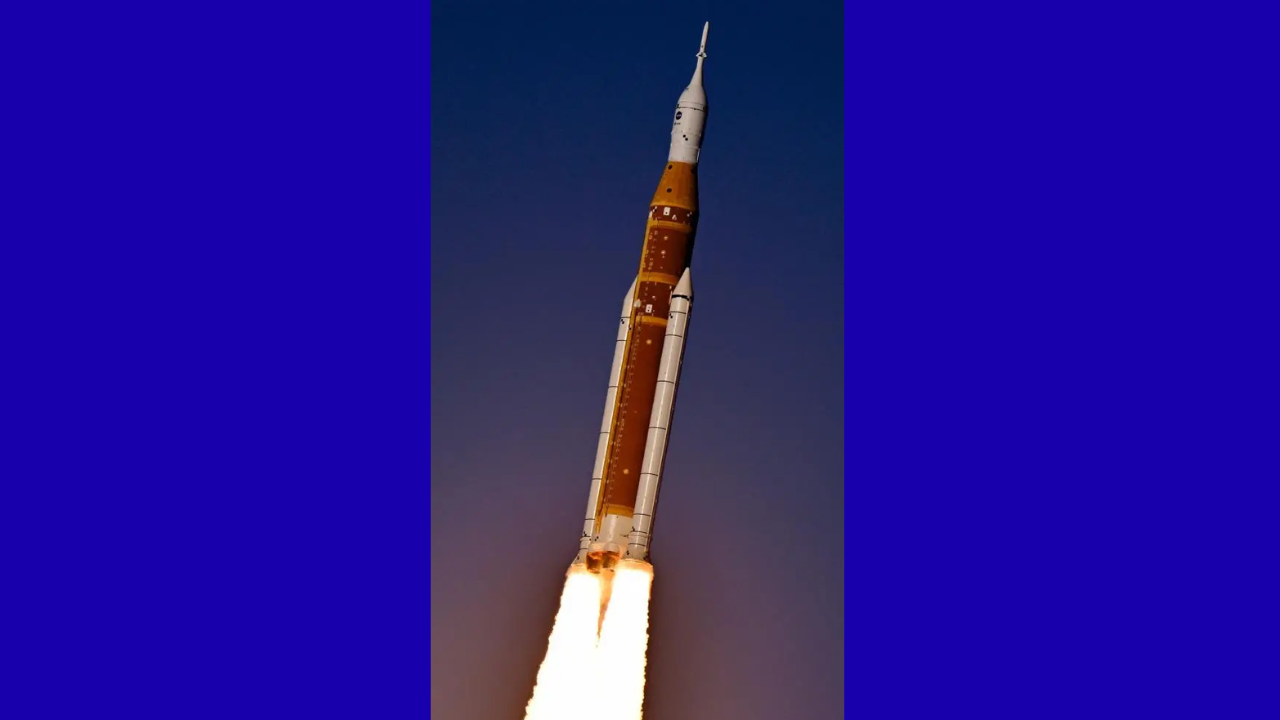
- The Artemis Era: NASA’s upcoming Artemis II mission is scheduled for a roughly 4-day transit. This slightly longer path allows for critical system checks in high Earth orbit before committing to the lunar injection.
2. Robotic Probes: Built for Speed
- The Record Holder: NASA’s New Horizons (bound for Pluto) crossed the Moon’s orbital path in a staggering 8 hours and 35 minutes.
- Historic Milestones: The Soviet Luna 1—the first craft to escape Earth’s gravity—reached the vicinity of the Moon in 34 hours back in 1959.
3. Fuel-Efficient Missions: The Long Way Around
- SMART-1 (ESA): This ion-propelled probe took 1 year and 1 month to arrive.
- CAPSTONE: This small CubeSat used a “ballistic lunar transfer,” taking 4 months to reach its specific orbit by following the natural gravitational contours of the Earth-Sun system.
Comparison of Travel Methods
| Travel Method | Duration | Representative Mission |
| Light Speed | 1.3 Seconds | Laser Ranging |
| High-Speed Flyby | ~9 Hours | New Horizons |
| Standard Crewed | 3–4 Days | Apollo / Artemis |
| Fuel Efficient | 4–14 Months | SMART-1 / CAPSTONE |
| Driving (60 mph) | ~166 Days | N/A |
| Walking (3.7 mph) | ~7.3 Years | N/A |
Why the Time Fluctuates
Three main factors dictate the length of the trip:
- The Moon’s Position: Because the Moon’s orbit is elliptical, the distance from Earth varies by about 42,000 km between its closest (perigee) and farthest (apogee) points.
- Propulsion Type: Traditional chemical rockets provide instant thrust for speed, while ion engines provide a slow, steady “push” that takes months to build momentum.
- The Destination Goal: If a craft intends to land or orbit, it must travel at a specific speed to be “captured” by the Moon’s gravity. If it is simply flying past (a flyby), it can go as fast as the rocket allows without needing to slow down.