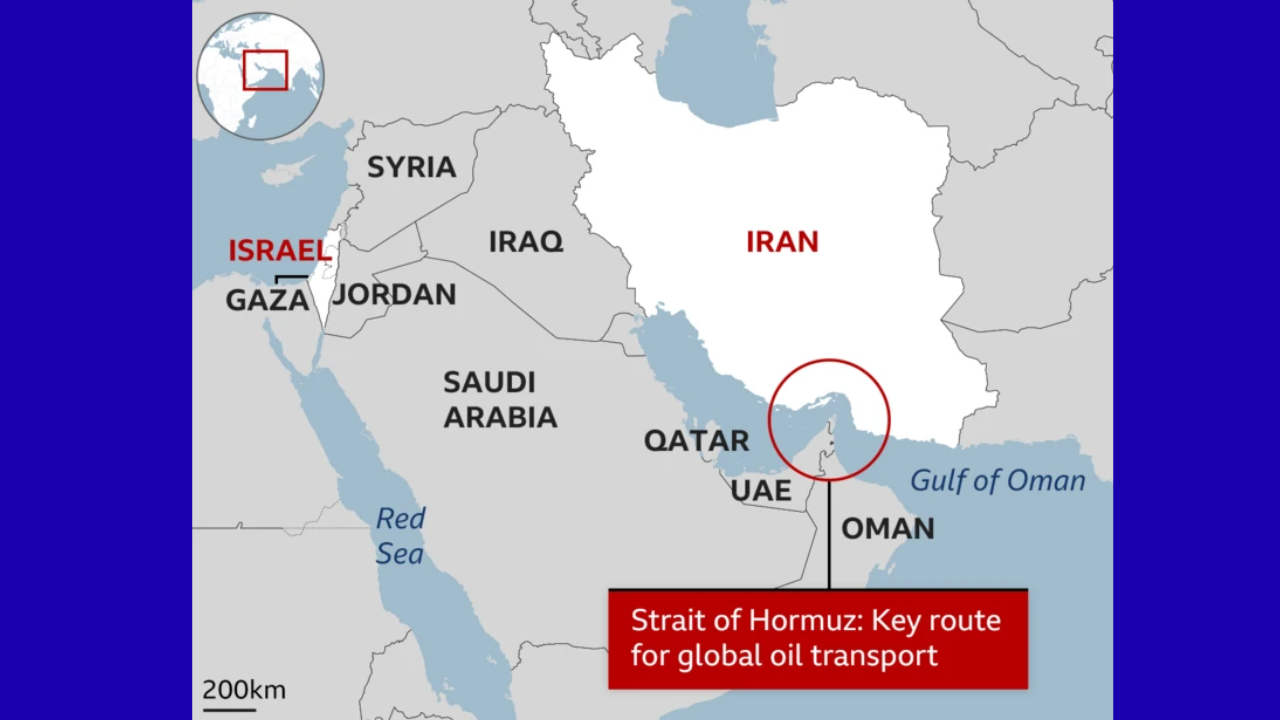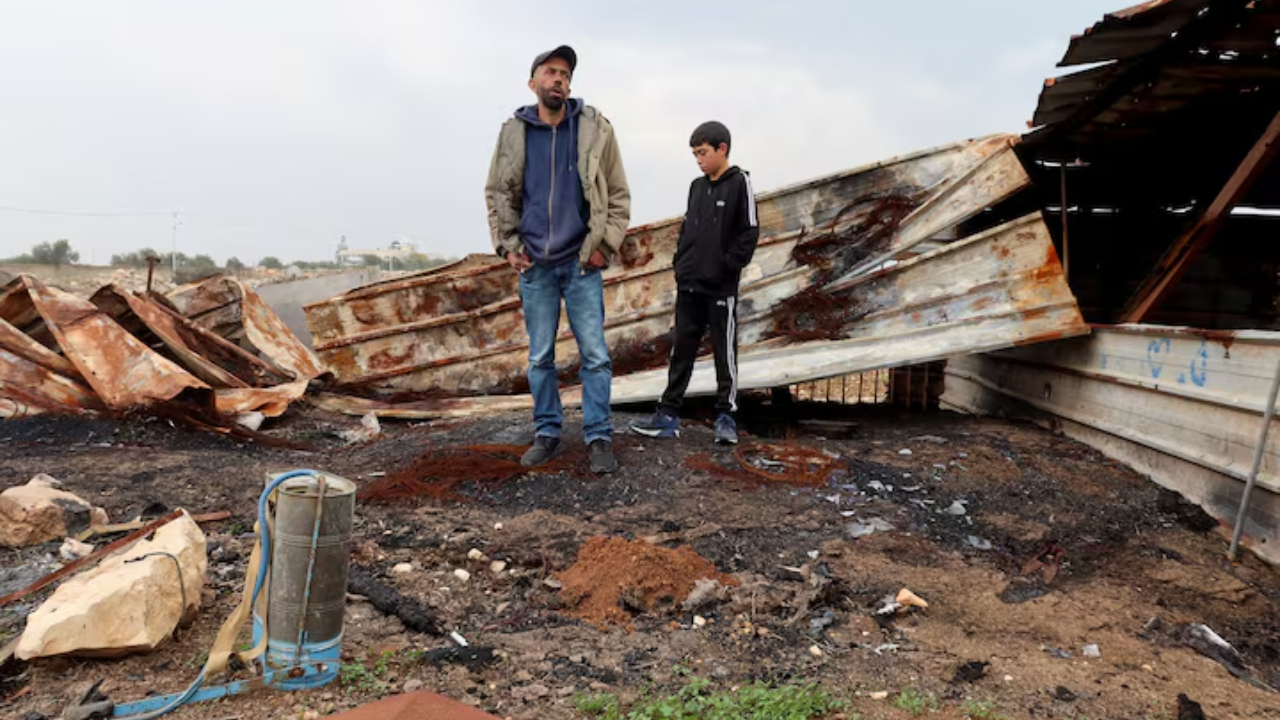
The small hilltop outpost of Or Meir—a cluster of white prefabricated shelters off Road 60—represents a growing trend in the West Bank. While these outposts often begin as “illegal” camps under Israeli law, they have become a primary tool for government ministers and settlers to fragment Palestinian territory and prevent the formation of a Palestinian state.
Thank you for reading this post, don't forget to subscribe!1. Digital Coordination and “Strategic” Seizures
Settler groups have moved beyond spontaneous land grabs to highly organized, tech-savvy operations. Using public Telegram and WhatsApp channels, groups like Or Meir coordinate their movements and celebrate their successes.
- The “Blue Map” Strategy: Settlers published maps claiming control over specific “strategic ridges.” In Or Meir’s case, their map covers land leading to the Palestinian village of Deir Dibwan, marking areas where Bedouins have already been “ejected.”
- Crowdfunding: Despite being “evacuated” by the Israeli military in the past, Or Meir raised over 100,000 shekels ($30,000) through its website to rebuild, proving that private donations are sustaining these outposts.
2. A Record-Breaking Year of Expansion
2025 has marked a turning point in the West Bank’s geography, with data showing an unprecedented pace of settlement activity:
- Rapid Growth: The NGO Peace Now recorded 80 new outposts in 2025—the highest number since 1991.
- Government Backing: In late December 2025, the Israeli cabinet formally approved 19 outposts as official settlements. Finance Minister Bezalel Smotrich explicitly stated that the goal of these 51,370 new housing units is to block Palestinian statehood.
3. The Human Toll: Violence and Displacement
The process of claiming “Jewish hands” on the land is frequently characterized by violence against Palestinian herding communities.
- The Bedouin Experience: Families like the Musabahs report night-time attacks involving Molotov cocktails and stone-throwing. In one June incident, nearly 60 settlers descended on their home, burning their barn and property.
- Casualty Figures: Since October 2023, over 1,000 Palestinians have been killed in the West Bank, largely by security forces but also through settler violence. In the same period, 57 Israelis have been killed in Palestinian attacks.
- The “2%” Factor: Monitoring groups like Yesh Din report a climate of impunity; of the hundreds of settler violence cases documented, only 2% resulted in indictments, emboldening further attacks.
4. From Outpost to Official Settlement
The life cycle of a settlement often follows a predictable pattern:
- Initial Occupation: Settlers set up tents or mobile homes on strategic hilltops without authorization.
- Military “Evacuation”: The Israeli military occasionally clears the site, but settlers quickly return.
- Persistence: As the Or Meir Telegram account noted: “Due to the persistence of the citizens, [the state] eventually had to accept it.”
- Formalization: The government eventually provides infrastructure, security, and legal status, as seen with the major settlement of Ofra and the recently recognized Evyatar.
Summary of the Conflict Landscape (2025)
| Metric | 2025 Data Point |
| New Outposts Created | 80 |
| Settler Injuries to Palestinians | 750+ |
| Official Housing Units Approved | 51,370 |
| Legal Status | Most of the world considers these illegal; Israel disputes this. |