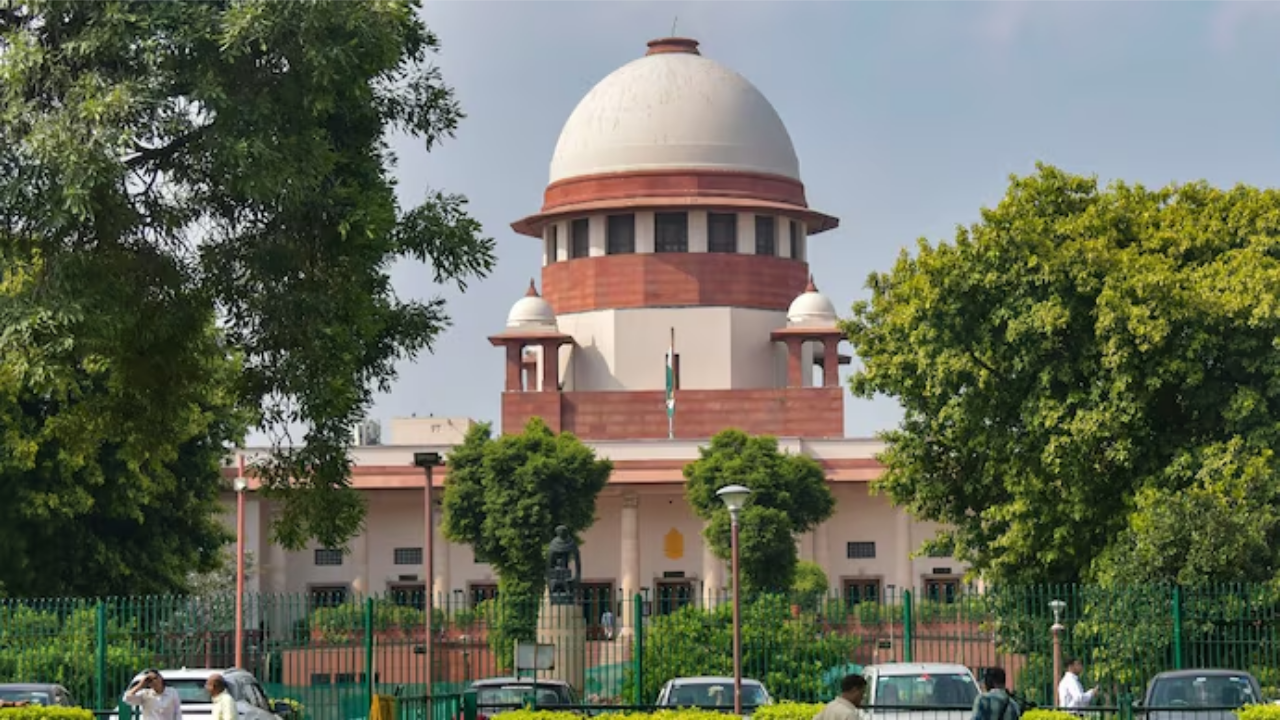
A recent Supreme Court of India decision has brought the debate over using public funds for statues back into the spotlight. The court criticized the Tamil Nadu government’s plan to install a statue of former Chief Minister M. Karunanidhi, questioning why taxpayer money should be used to “glorify” past leaders.
Thank you for reading this post, don't forget to subscribe!The court’s decision aligns with a previous Madras High Court order that banned the installation of statues in public places. The Tamil Nadu government had sought permission to place a bronze statue near a public market in Tirunelveli district, but the Supreme Court dismissed the plea, directing the state to withdraw its request and approach the High Court instead.
This ruling highlights a long-standing issue in India: the conflict between honoring political figures and using public resources responsibly.
Arguments Against Public-Funded Statues
- Financial Misuse: Critics argue that the significant cost of these statues could be better spent on public welfare projects like healthcare, education, or infrastructure.
- Political Symbolism: Often, these statues are seen as a way for political parties to assert their power and legacy rather than a genuine tribute, leading to a cycle of monument-building.
- Public Space Encroachment: The Supreme Court has previously issued orders to prevent statues from obstructing traffic and public movement on roads and pavements, emphasizing that these spaces are for the public’s use.
- Social Division: In a country with diverse communities, statues of political or caste-based leaders can become points of conflict and tension.
Arguments for Public-Funded Statues
- Honoring History: Supporters believe that statues are a way to commemorate leaders who contributed to the nation’s history and can inspire future generations.
- Cultural and Urban Value: Some view these monuments as public art that enhances a city’s cultural identity and can even attract tourism.
The Supreme Court’s stance reinforces a legal precedent that public spaces and funds must be used for the benefit of all citizens. This case underscores the ongoing need to balance the desire to honor historical figures with the practical and ethical responsibilities of a government to its people.