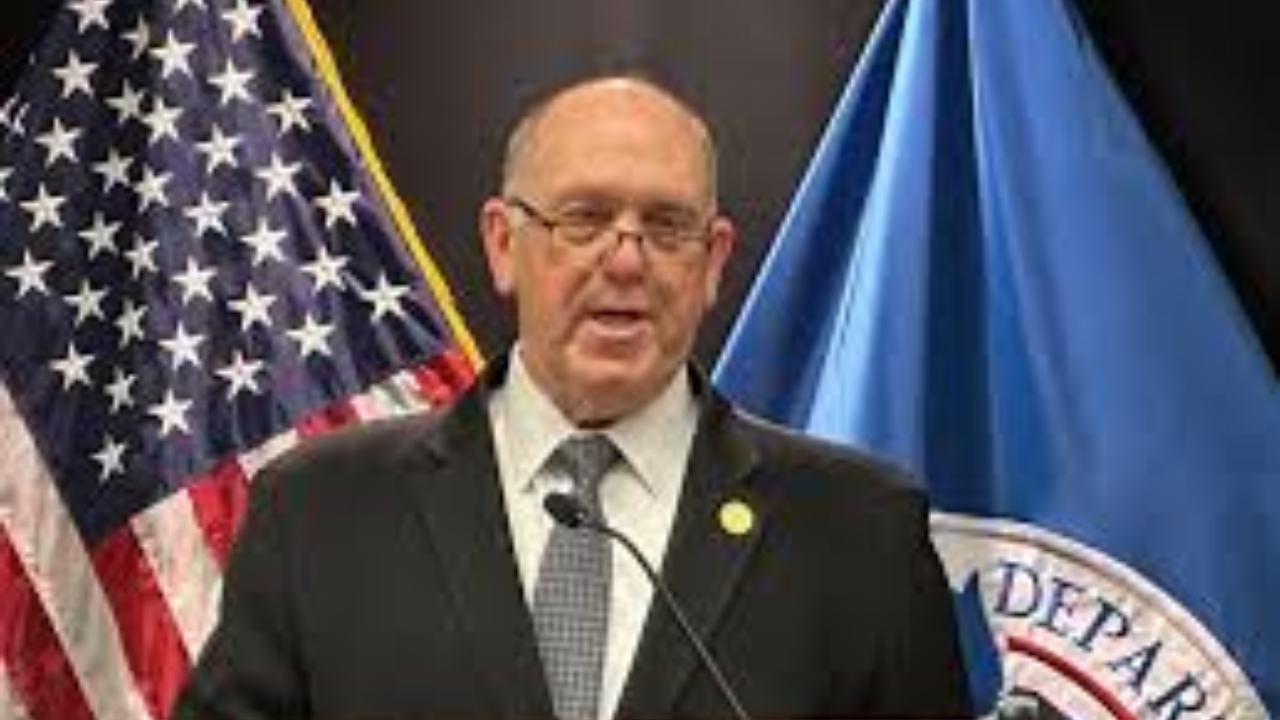
White House Border Czar Tom Homan has officially signaled the end of Operation Metro Surge, the largest domestic immigration enforcement action in U.S. history. Speaking from Minneapolis, Homan framed the two-month operation as a triumph for public safety, despite a trail of political friction and community trauma.
Thank you for reading this post, don't forget to subscribe!The Success Metrics
Homan defended the “major gains” achieved during the federal occupation, citing a shift in tactical effectiveness:
- Massive Arrest Counts: Federal authorities confirmed over 4,000 arrests since the surge began.
- Operational Pivot: Homan credited the surge with forcing a “crack” in sanctuary policies, claiming more local jurisdictions are now cooperating with ICE on jail transfers.
- Targeted Enforcement: He argued the surge successfully moved federal agents from chaotic street arrests to “surgical” enforcement within controlled environments.
The Human and Political Toll
While Homan spoke of gains, state and local leaders spoke of a “recovery phase.” The operation was defined by its high stakes and high-profile failures:
“This wasn’t just enforcement; it was an occupation.” — Summary of the sentiment from Governor Tim Walz and Mayor Jacob Frey.
- The Casualties: The operation was marred by the fatal shootings of two U.S. citizens, Renee Macklin Good and Alex Pretti, which catalyzed national outrage.
- Economic Fallout: A $10 million state aid package is currently being fast-tracked to help Twin Cities businesses that saw foot traffic evaporate during the period of heavy federal presence.