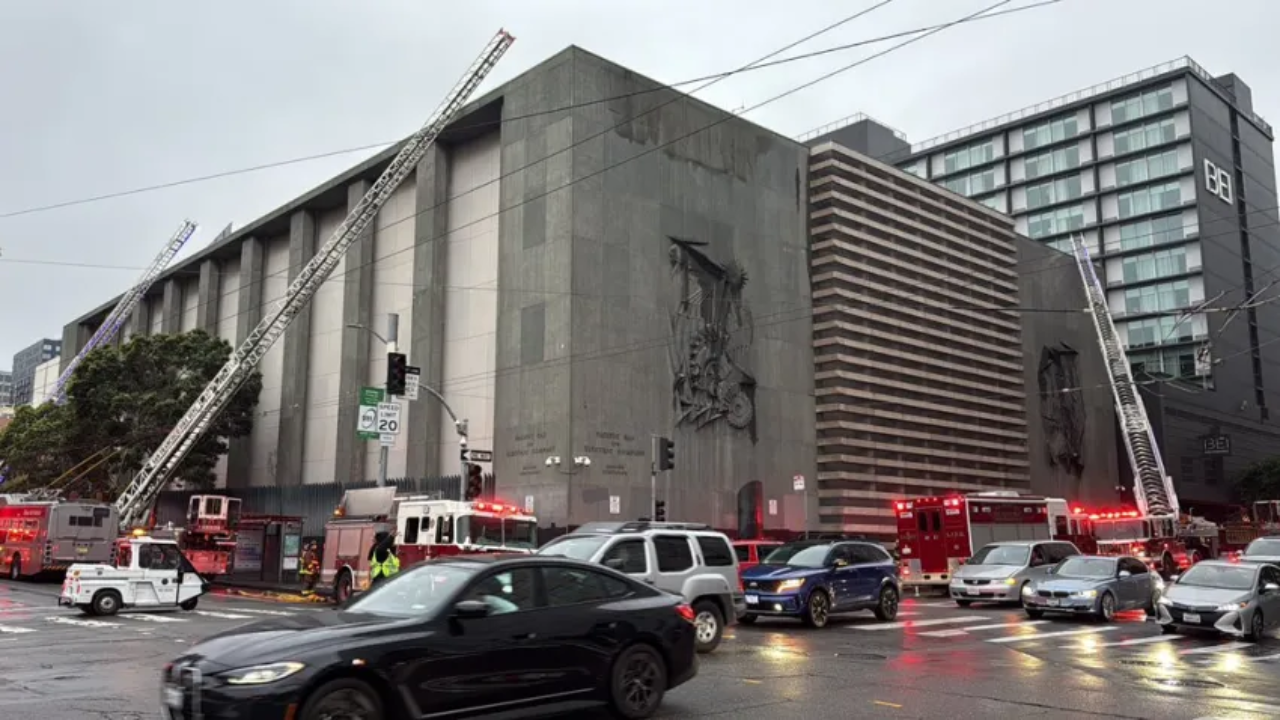
A fire broke out this past Saturday at the PG&E Mission substation, occurring 22 years to the day after a nearly identical incident in 2003. This latest event underscores a decades-long struggle with infrastructure reliability and regulatory compliance at the facility located at 8th and Mission streets.
Thank you for reading this post, don't forget to subscribe!A Pattern of Failures
The Mission substation is a critical hub that converts high-voltage transmission power into lower levels for distribution across San Francisco. However, it has been the site of three significant fires over the last 30 years:
- 1996: An initial fire led to internal PG&E recommendations for system upgrades.
- 2003: A major fire on December 20 left 120,000 customers without power during the peak holiday shopping season.
- Present Day: The most recent fire mirrored the 2003 event in both timing and nature.
Regulatory Sanctions and Oversight
Following the 2003 blaze, the California Public Utilities Commission (CPUC) penalized PG&E $6.5 million. Rather than a standard fine, the utility was ordered to reinvest those funds directly into substation improvements.
The CPUC’s investigation into the 2003 fire revealed several “troubling” findings:
- Ignored Warnings: PG&E failed to implement the safety improvements it had recommended for itself after the 1996 fire.
- Delayed Response: The utility waited two hours after the first signs of trouble to alert fire officials in 2003.
- Preventable Impact: Regulators concluded that had PG&E followed its own earlier guidance, the resulting disruption to the city would have been significantly minimized.
Current Implications
With this latest fire occurring on the anniversary of the 2003 disaster, PG&E faces renewed scrutiny over whether the mandated improvements were ever effectively maintained and why the substation remains vulnerable to the same types of failures.