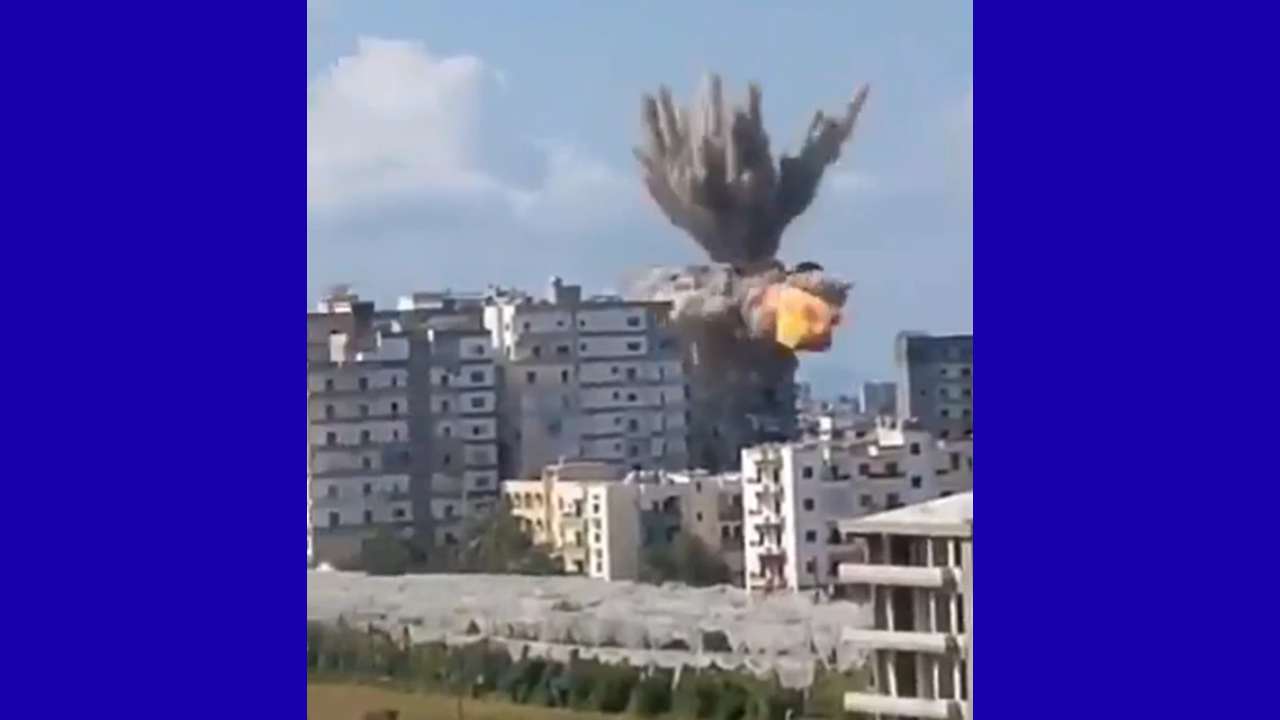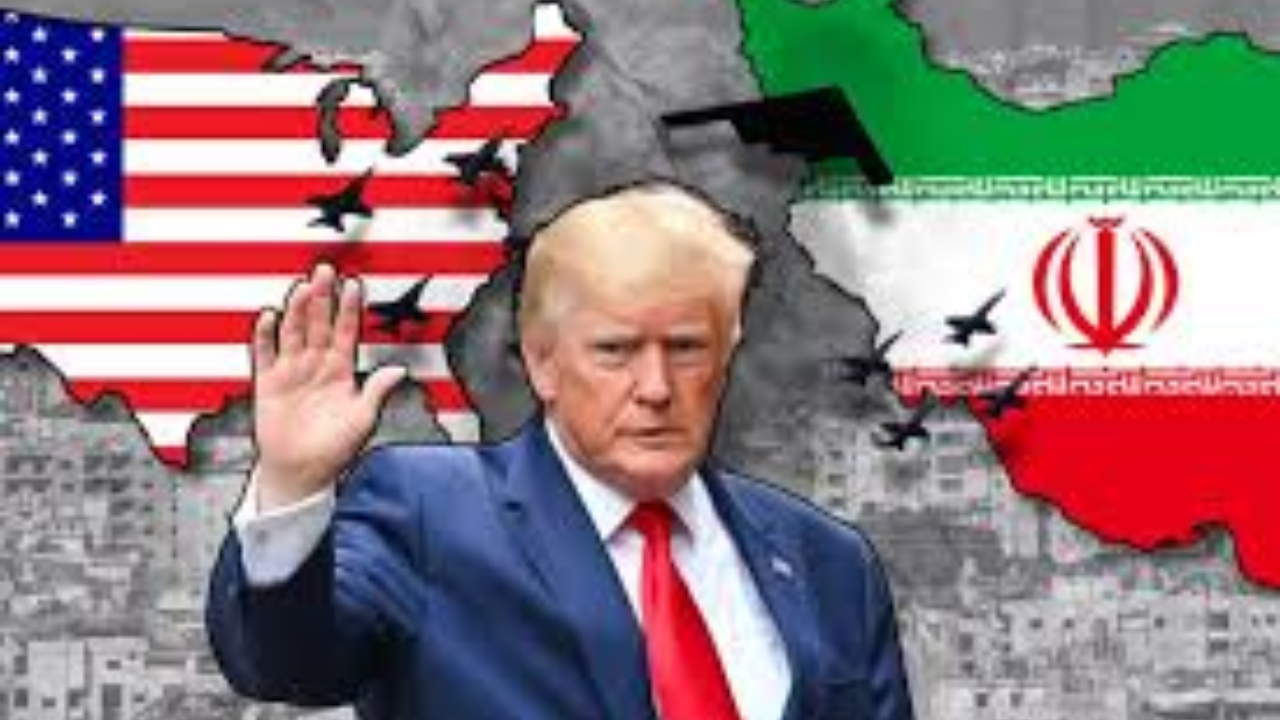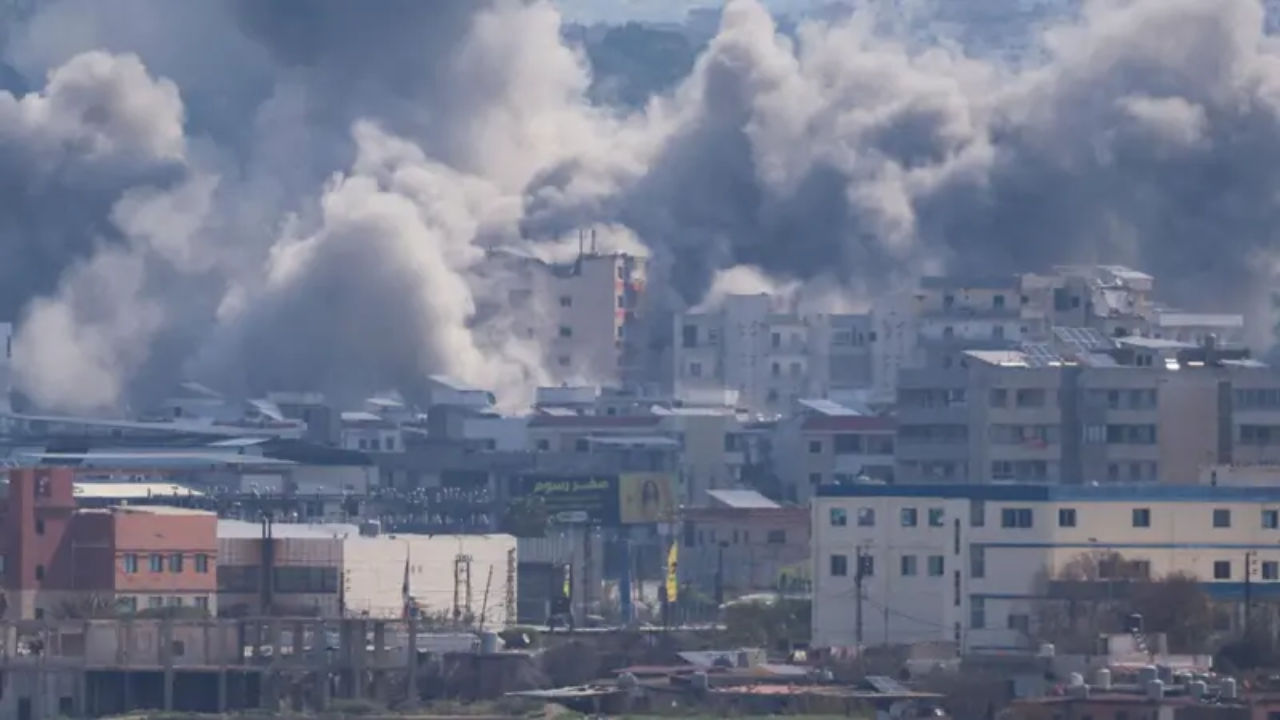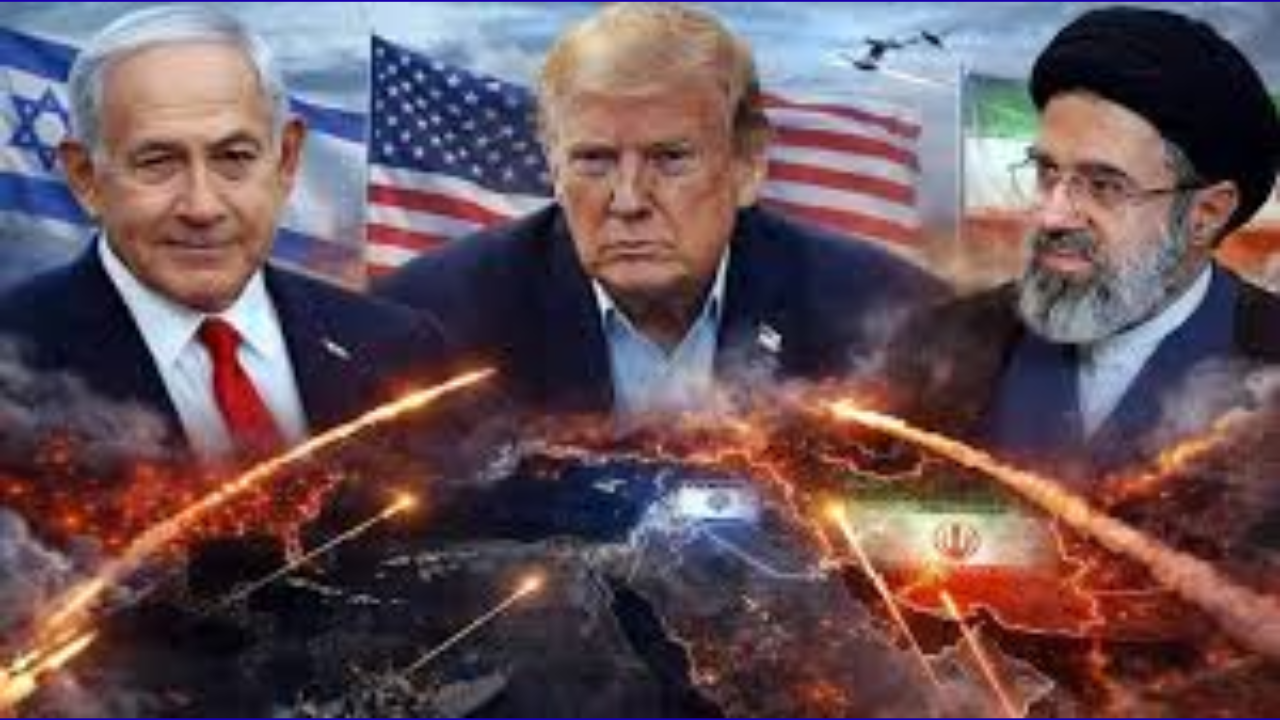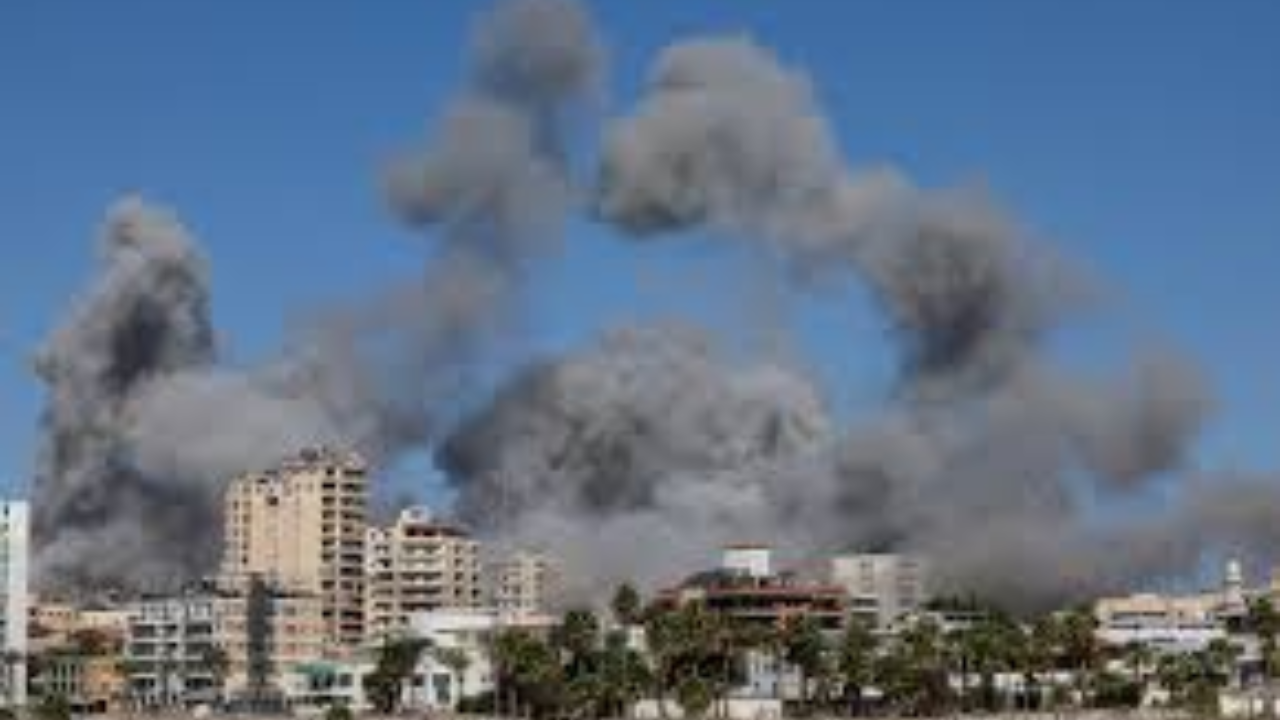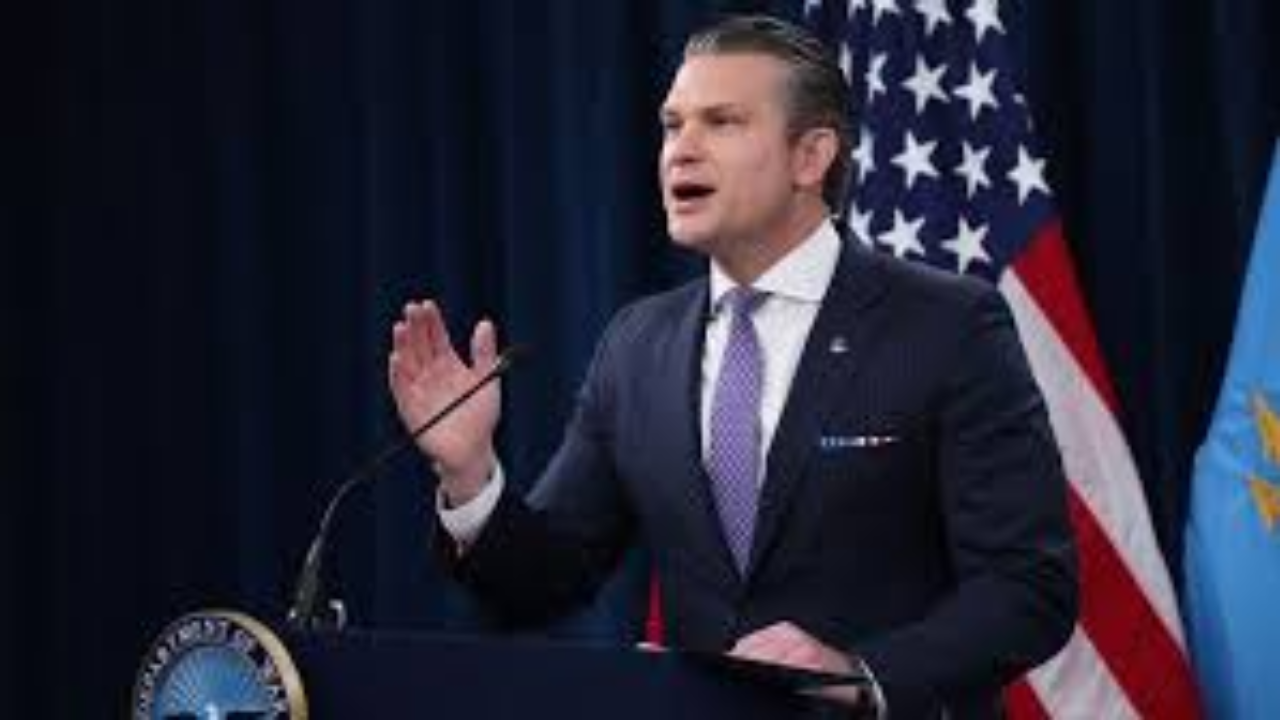
U.S. Defense Secretary Pete Hegseth has characterized the newly brokered two-week ceasefire with Iran as a “chance at real peace,” following 40 days of sustained conflict. While the Pentagon maintains a posture of high alert, the pause represents the first significant diplomatic opening since the start of “Operation Epic Fury.”
Thank you for reading this post, don't forget to subscribe!A Divided Narrative of Triumph
Despite the halt in kinetic operations, a “war of words” has replaced the physical conflict, with both nations claiming a strategic mandate:
- The U.S. Position: Hegseth and the Trump administration have declared a “complete victory,” asserting that American strikes successfully dismantled Iran’s military infrastructure. The administration views the ceasefire not as a compromise, but as a result of Iran being forced to the negotiating table by overwhelming force.
- The Iranian Position: Tehran countered by claiming “crushing defeat” was dealt to U.S. forces. Iranian officials insist they achieved their primary war objectives and only agreed to the pause after securing a framework for a 10-point peace plan.
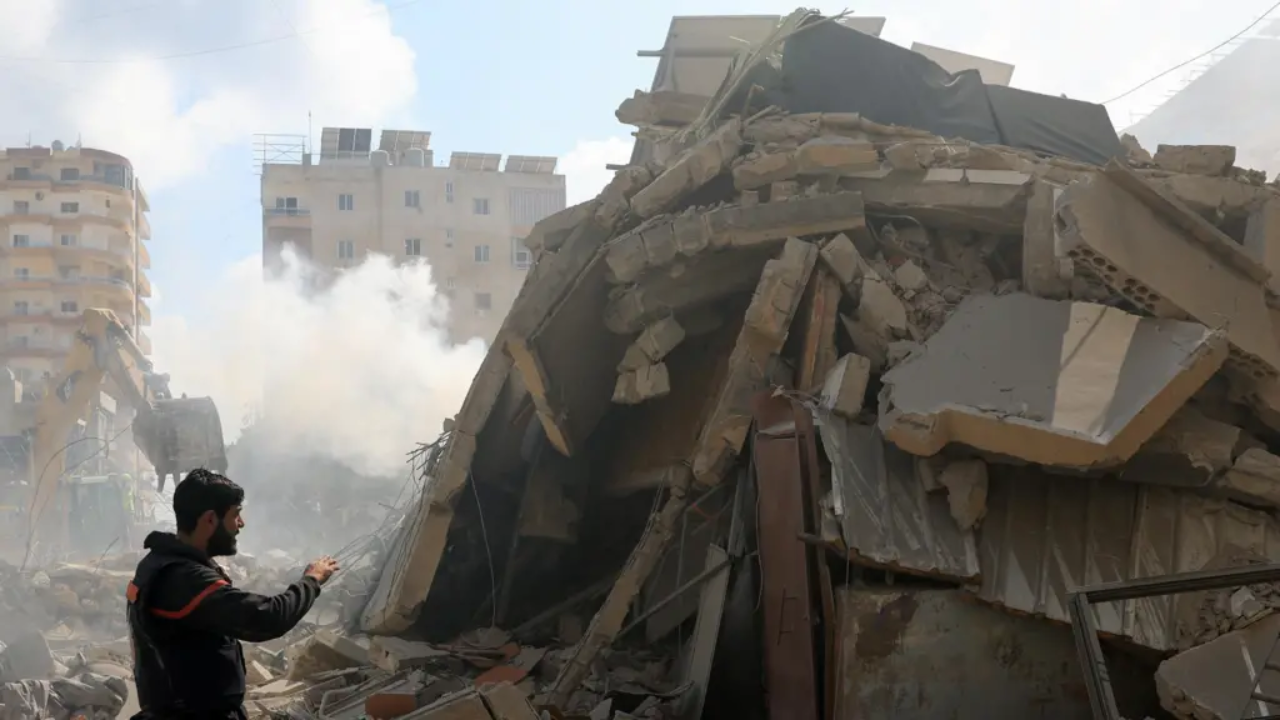
The Islamabad Framework
The ceasefire, facilitated by Pakistani mediation, establishes a fragile timeline for future stability:
- The Two-Week Window: A 10-to-14 day cessation of all hostilities to allow for humanitarian relief and logistics.
- Maritime Security: The Strait of Hormuz is slated to reopen, though control and coordination of the waterway remain a point of contention.
- Friday Summit: Formal peace negotiations are set to begin on April 10 in Islamabad.
The Bottom Line
The atmosphere remains one of “complete distrust.” Hegseth warned that U.S. forces remain “locked and loaded,” signaling that any violation of the pause will result in an immediate resumption of strikes. While the ceasefire offers a reprieve from the “apocalyptic” rhetoric of recent weeks, the transition from a temporary pause to a permanent peace depends entirely on the success of this Friday’s summit.