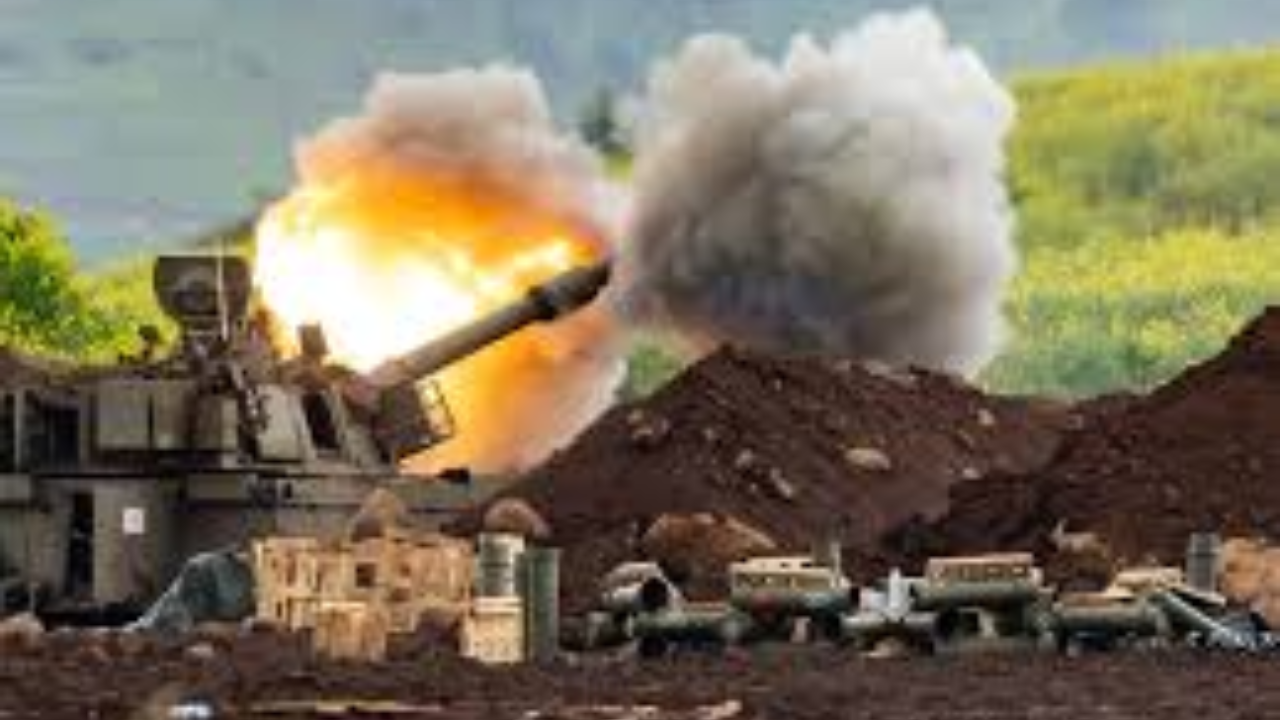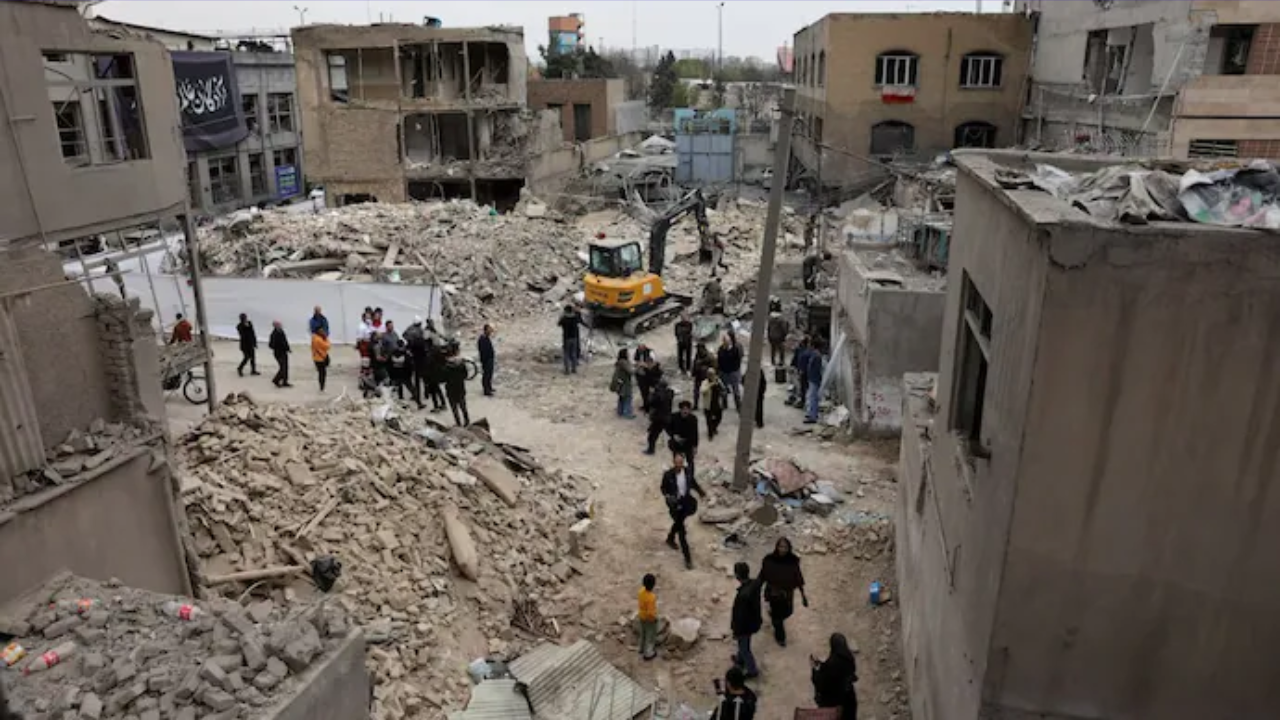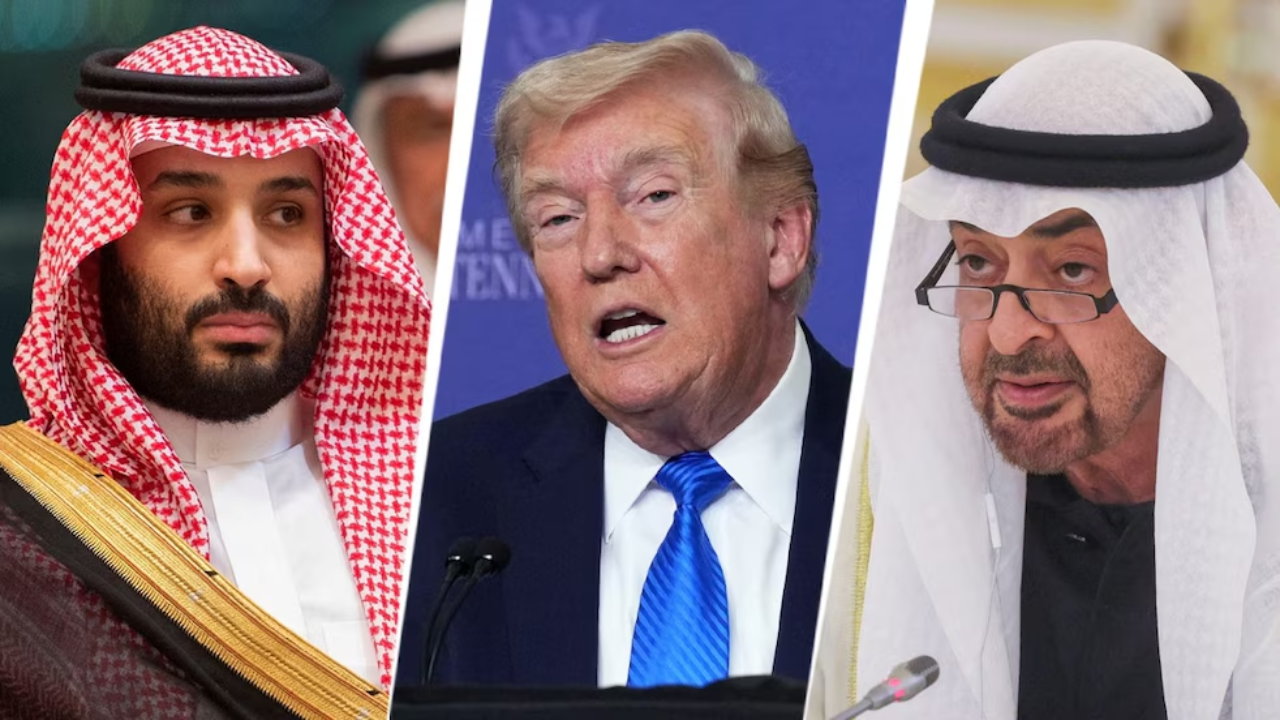
The geopolitical landscape of the Middle East has shifted from “strategic patience” to “active mobilization.” Following a relentless month of drone and missile barrages, Saudi Arabia and the United Arab Emirates (UAE) are reportedly on the verge of joining offensive operations against Iranian assets.
Thank you for reading this post, don't forget to subscribe!The Critical Shift
- End of Neutrality: For months, the Gulf states attempted to maintain a diplomatic buffer. However, the sheer volume of strikes—including a March 16 hit near Dubai International Airport—has convinced leadership that neutrality is no longer a shield.
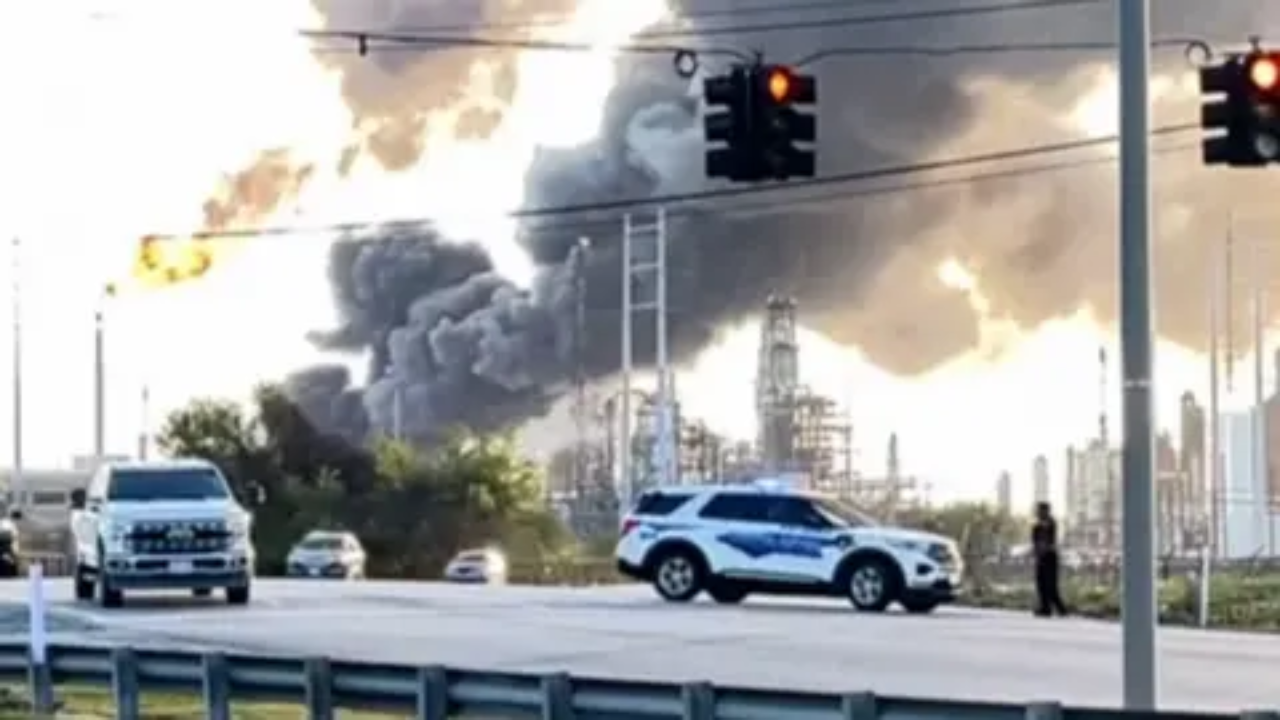
- Infrastructure at Risk: With attacks now targeting the Jebel Ali Port and Saudi oil-stabilization plants, the economic “red lines” of the region have been crossed.
- Military Readiness: Both Riyadh and Abu Dhabi have moved their air forces to a high-alert status, signaling they are ready to pivot from defense to active retaliation.
Key Flashpoints
| Sector | Status | Impact |
| Aviation | High Risk | Flight diversions in Dubai/Abu Dhabi due to debris from interceptions. |
| Energy | Critical | Oil prices hovering near $112/barrel as regional stability wavers. |
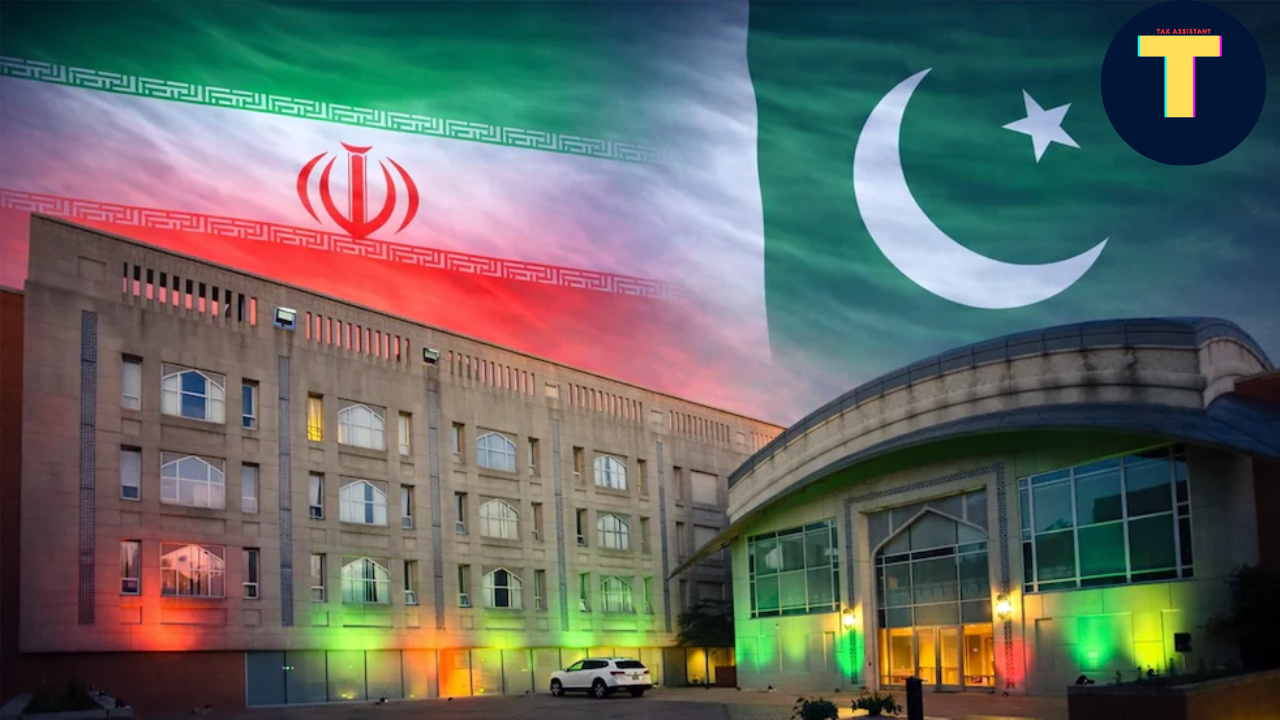
| Diplomacy | Severed | Expulsion of Iranian diplomats from Saudi Arabia marks the end of the 2023 “truce.” |
The Outlook
The “gentleman’s agreement” to keep energy and tourism hubs out of the line of fire has officially collapsed. Intelligence suggests that if the IRGC (Islamic Revolutionary Guard Corps) continues launch activity this week, we will see the first joint Saudi-Emirati sorties targeting launch sites inside Iranian territory.
Note: The narrative has shifted from if the Gulf will respond to when. The focus is no longer just on shooting down incoming threats, but on eliminating the “archers” behind the “arrows.”