The Greek government has launched an official effort to acquire a series of haunting photographs documenting one of the darkest chapters of the Nazi occupation: the Kaisariani Massacre.
Thank you for reading this post, don't forget to subscribe!The images, which recently surfaced on an online auction site, provide the first-ever visual evidence of the execution of 200 Greek resistance fighters on May 1, 1944.
Why These Photos Matter
Until now, the mass execution at the Kaisariani shooting range existed in the Greek consciousness through survivor testimonies, historical records, and film, but never through a camera lens.
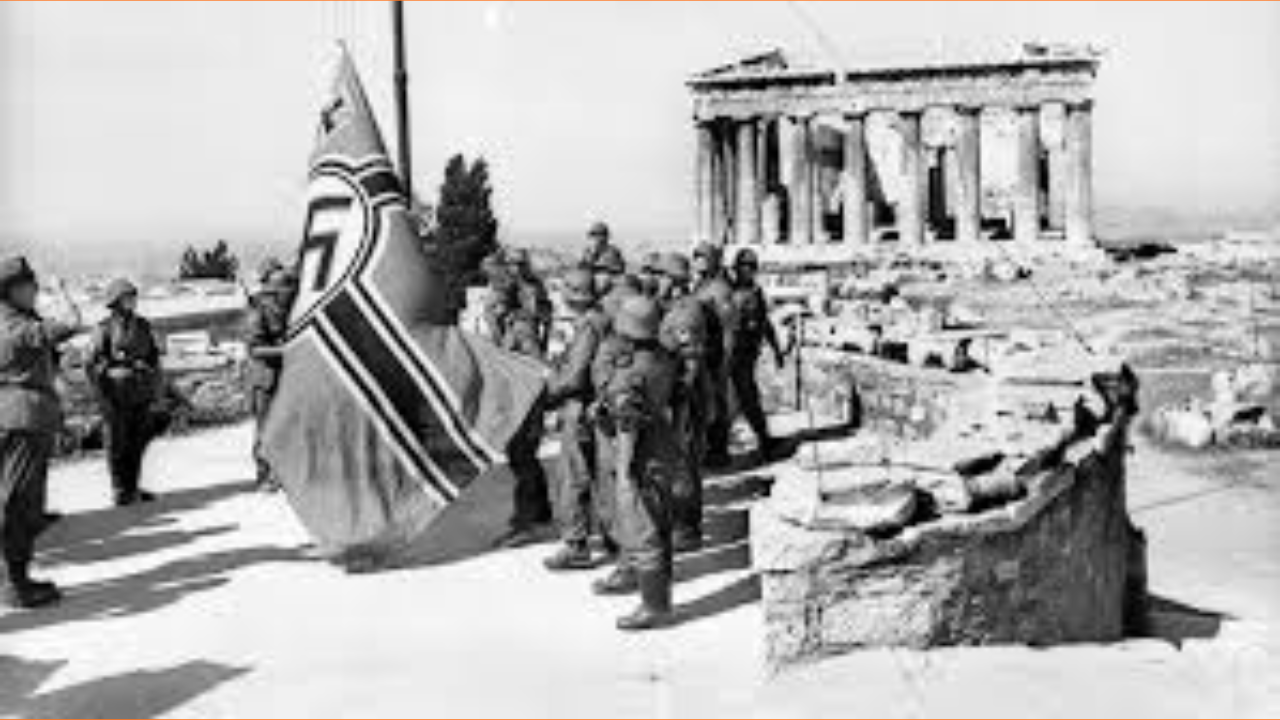
- The Event: The execution was a brutal “retaliation” for the death of a German General.
- The Archives: The collection includes shots of the firing squad, the victims, and the aftermath.
- The Impact: Historians view these as “smoking gun” evidence of war crimes that have remained visually undocumented for over 80 years.
The Online Controversy
- Ethics vs. Commerce: Many in Greece argued that profiting from images of a mass execution is morally indefensible.
- Government Intervention: Government spokesperson Pavlos Marinakis confirmed that the state is working to verify the photos’ authenticity and bring them to a Greek museum or national archive.
- Auction Paused: Following the public outcry, the seller removed the listing and has indicated he is open to a direct sale to the Greek state.
Key Details at a Glance
| Feature | Description |
| Location | Kaisariani Shooting Range, Athens |
| Original Date | May 1, 1944 |
| The Victims | 200 political prisoners and resistance fighters |
| Current Status | Auction halted; negotiations with the Greek state pending |
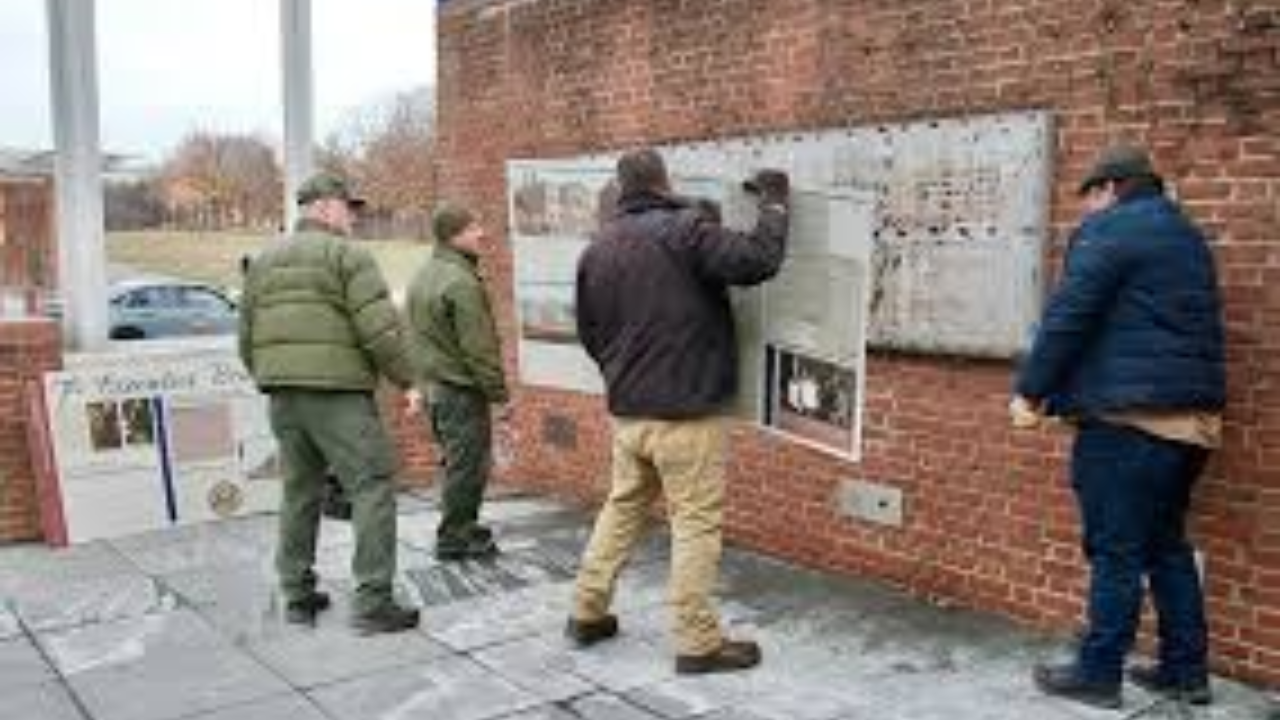
Note: The discovery has been bittersweet for the local community. While the photos offer historical closure, the news was followed by a tragic act of vandalism at the Kaisariani memorial, where several victim plaques were destroyed.