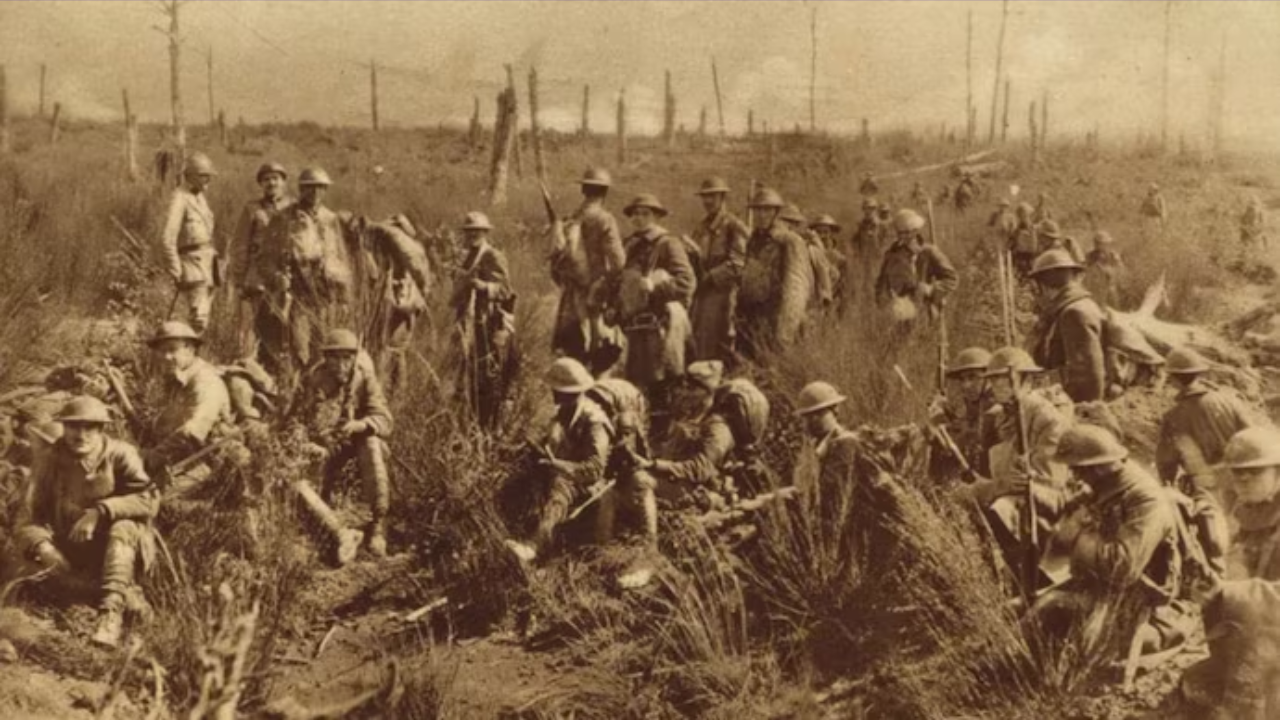
Since 1945, the American approach to conflict has undergone a fundamental transformation. Moving away from the “Total War” model of World War II, the U.S. entered an era defined by limited objectives, political constraints, and a struggle to define what “winning” actually looks like in a globalized world.
Thank you for reading this post, don't forget to subscribe!The Great Pivot: Objectives and Outcomes
In the mid-20th century, victory meant the total dismantling of an enemy state. Today, military success is often a moving target, complicated by the mission of “Containment” and the fragile process of nation-building.
| Conflict | Timeline | Strategic Objective | Historical Verdict |
| Korean War | 1950–1953 | Containment of communism at the 38th Parallel. | Status Quo Ante Bellum: Successfully preserved South Korea, but ended in a permanent, tense armistice. |
| Vietnam War | 1964–1973 | Preservation of a non-communist South Vietnam. | Strategic Failure: Military withdrawal followed by the total collapse of the South Vietnamese government. |
| Persian Gulf War | 1990–1991 | Expulsion of Iraqi forces from Kuwait. | Operational Success: Reached clear territorial goals, though the decision to leave the regime intact led to future conflict. |
| War in Afghanistan | 2001–2021 | Elimination of Al-Qaeda and democratization. | Regime Reversion: The longest U.S. war ended with a rapid return to Taliban control. |
| Iraq War | 2003–2011 | Disarmament and regime change. | Mixed Legacy: Toppled a dictator but triggered decades of regional instability and the rise of insurgent groups. |
Anatomy of the “Ambiguous” Outcome
1. Asymmetric Warfare vs. Conventional Power
The U.S. military is built for high-tech, state-on-state combat. However, most modern conflicts involve insurgency. In these scenarios, a superior military can win every tactical battle but still lose the war of attrition if the local population or the enemy’s “will to fight” remains intact.
2. The Burden of Nation-Building
3. The Nuclear Constraint
4. The Erosion of Domestic Consensus
https://taxassistant.org/pope-condemns-global-diplomacy-of-force-in-landmark-address/In a 24-hour news cycle, the “cost” of war is constantly visible. Without a clear and present threat to the homeland, maintaining public support for multi-decade conflicts is nearly impossible. When the political will at home evaporates, military success on the ground often becomes irrelevant.