the Indian equity markets are expected to remain in a period of consolidation this week, driven by a combination of domestic and international factors. The key events and developments that will influence market sentiment are:
Thank you for reading this post, don't forget to subscribe!- RBI’s Monetary Policy Decision: The Reserve Bank of India (RBI) is scheduled to hold its monetary policy meeting, and the market will be closely watching for the central bank’s commentary on inflation, liquidity, and economic growth. While some analysts anticipate the RBI will maintain its current interest rate, others believe there is room for a rate cut.
- Q1 FY26 Earnings: Several prominent companies are set to announce their financial results for the first quarter of fiscal year 2026. The performance of these companies, which include Bharti Airtel, DLF, Bajaj Auto, Hero MotoCorp, Tata Motors, State Bank of India, and Life Insurance Corporation of India, will likely drive stock-specific movements and shape sectoral momentum.
- US Tariffs: The imposition of a 25% tariff on Indian goods by the US, along with an unspecified penalty for trade in energy and defense goods with Russia, is a significant concern for the markets. This unexpected development has already impacted market sentiment and is a key reason for the ongoing consolidation. The markets will be monitoring any further commentary from the US on trade negotiations.
- Foreign Investor Activity and Global Trends: The persistent outflow of funds from foreign institutional investors (FIIs) is adding to the market’s downward pressure. The trends in global equity markets will also continue to influence investor sentiment in India.
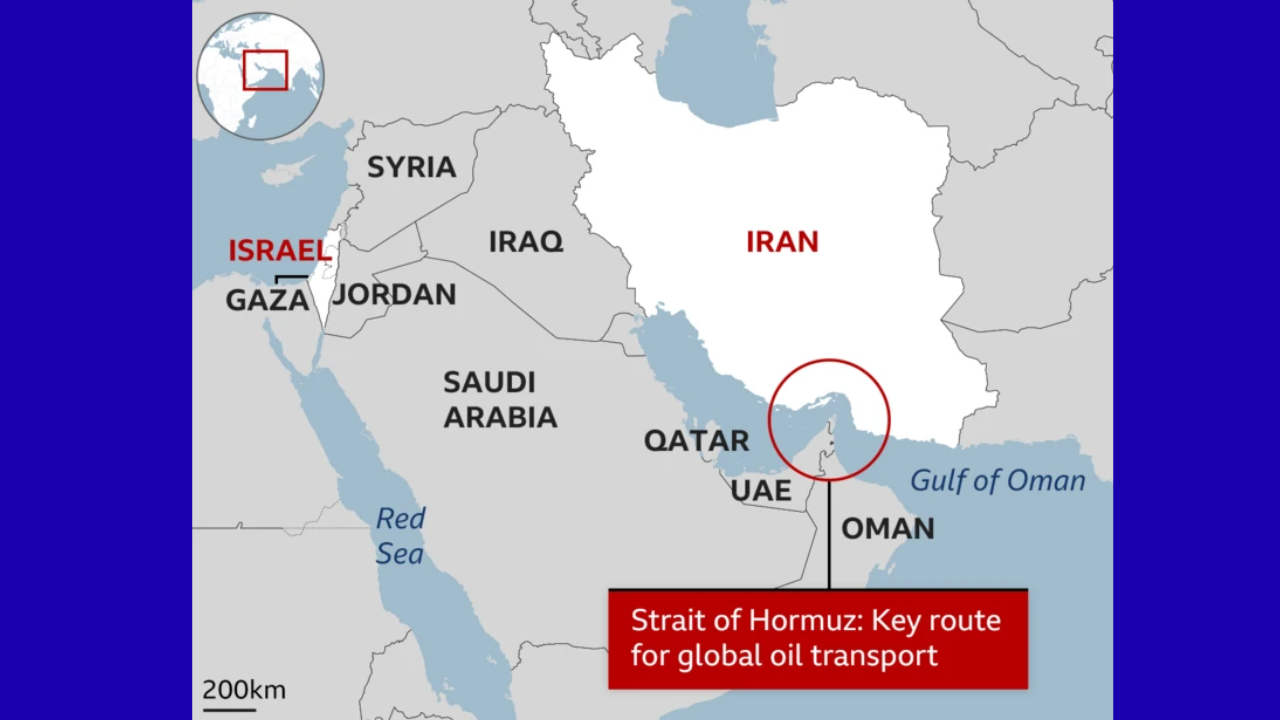
- Other Triggers: Other factors that could contribute to market volatility include the release of HSBC services and composite PMI data for India, and crude oil price movements.