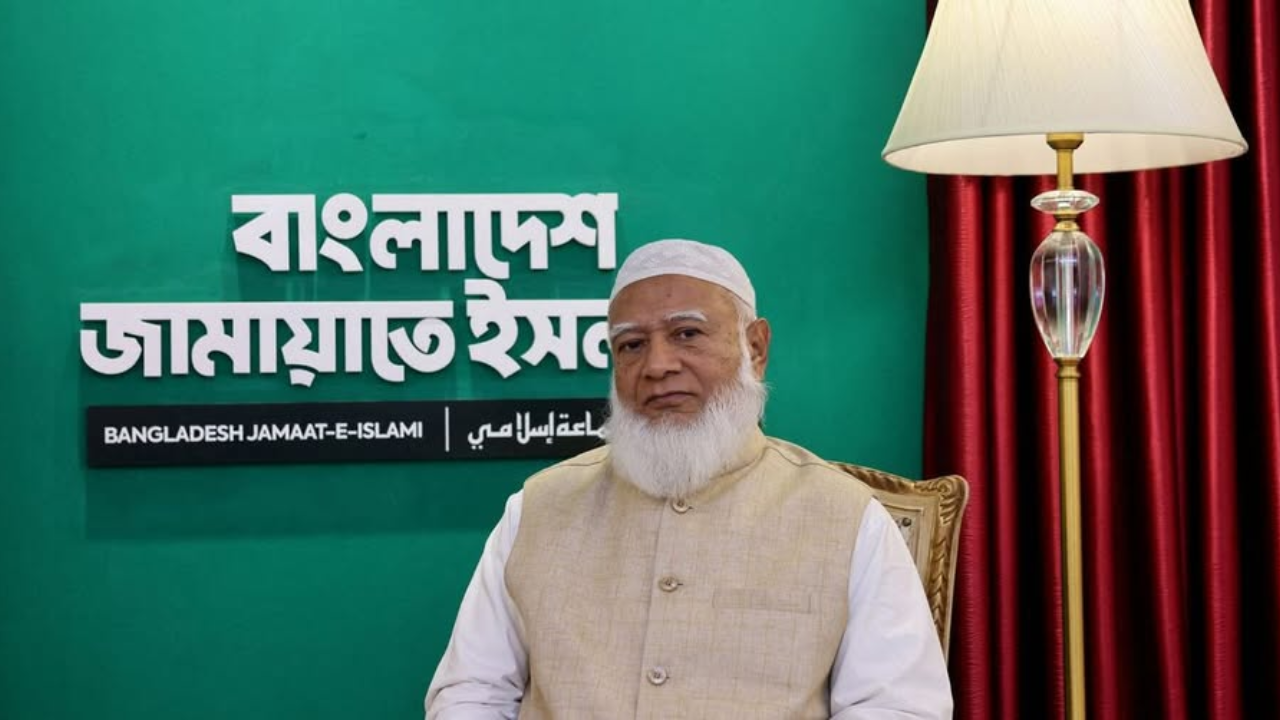
In the high-stakes arena of the February 12, 2026 election, the most disruptive force isn’t a career diplomat or a dynastic heir—it’s Shafiqur Rahman. The 67-year-old physician and leader of Bangladesh Jamaat-e-Islami has completed a stunning transformation from an incarcerated dissident to a front-runner for the nation’s top office.
Thank you for reading this post, don't forget to subscribe!The Architect of a New Image
- The Relief Effort: While traditional parties bickered, Rahman’s disciplined grassroots network gained massive “street cred” by leading recovery efforts during the 2025 floods.
- The “Gen Z” Alliance: He has bridged the gap with the secular youth by forming a coalition with the National Citizen Party (NCP)—the very students who led the 2024 revolution.
- Economic Radicalism: He isn’t just talking theology; he’s promising a $1.5 trillion economy by 2040, focusing on tech exports and slashing the bureaucratic “red tape” of the old regime.
The Tolerance Tightrope
To win, Rahman is attempting a difficult balancing act:
“We are a party of the future, not just the faith.” — Shafiqur Rahman at a recent rally.
- Minority Outreach: In a historic first, his alliance has fielded a Hindu candidate, Krishna Nandi, to counter the “extremist” label.
- The Paradox: Despite the inclusive rhetoric, Rahman’s ties to hardline clerics and past controversial remarks regarding women’s roles in the workforce continue to fuel anxiety among secularists and international observers.
The Geopolitical Ripple
A Rahman victory would signal a tectonic shift in South Asian diplomacy. His “Independence First” platform suggests a pivot away from New Delhi’s influence, favoring a more balanced—and potentially colder—relationship with India in favor of stronger ties with the Middle East and China.
As voters head to the polls this week, the question isn’t just whether Rahman can win, but whether he can govern a fractured nation without reverting to the hardline shadows of his party’s past.