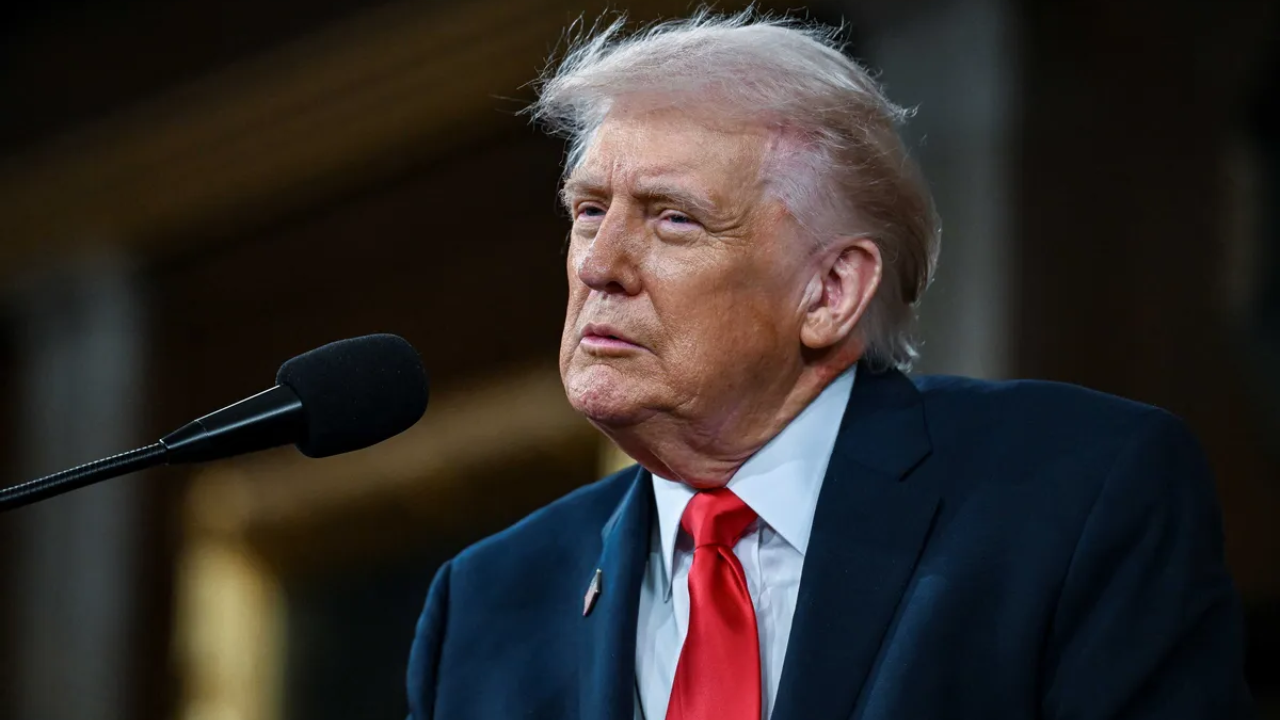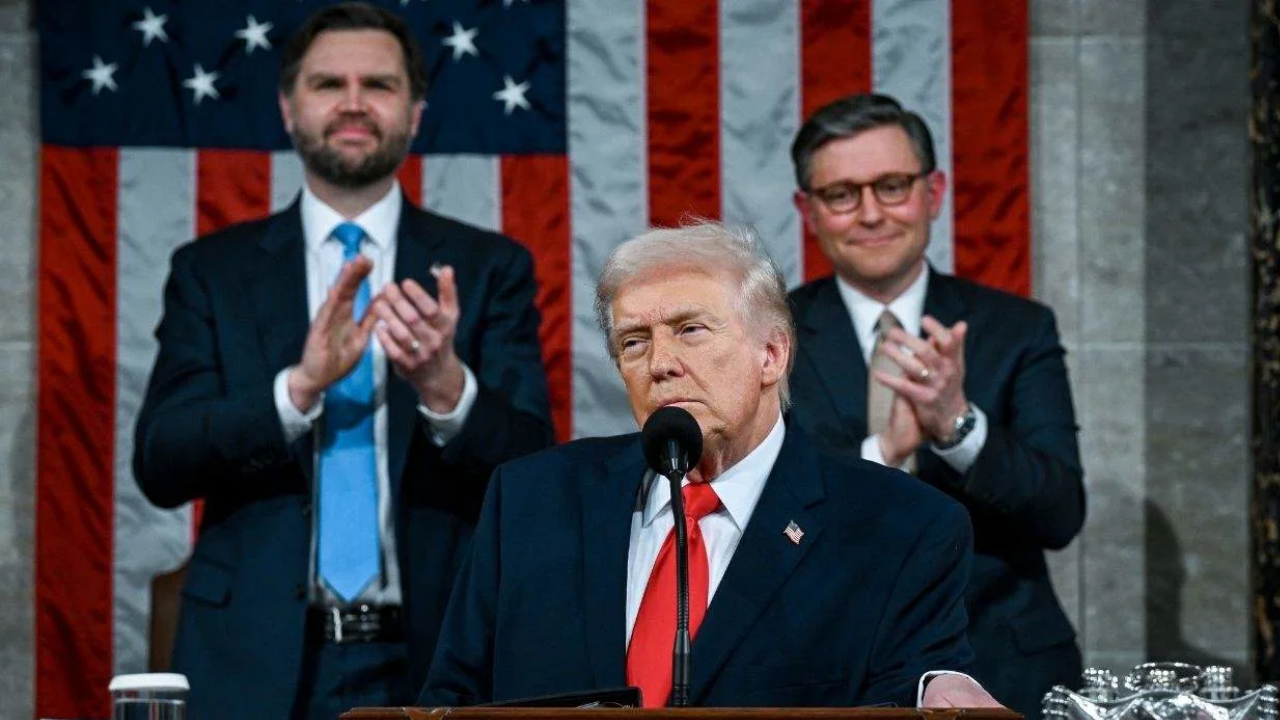
As of January 7, 2026, France has officially begun coordinating a unified European strategy to counter the Trump administration’s renewed focus on Greenland. Foreign Minister Jean-Noël Barrot has made it clear that any unilateral move by the U.S. to alter Greenland’s status would be met with a collective response from the continent’s major powers.
Thank you for reading this post, don't forget to subscribe!Key Pillars of the French Strategy
France is positioning itself as the primary defender of European sovereignty and international law through several diplomatic channels:
- The Weimar Triangle Alliance: France is utilizing the Weimar Triangle (cooperation between France, Germany, and Poland) as the engine for a joint defense and diplomatic plan. Barrot emphasized that action must be collective rather than individual.
- Total Rejection of Military Rhetoric: In response to White House suggestions that “all options are on the table,” France has labeled the idea of military pressure against a NATO ally as “nonsense” and “inconceivable.”
- A “United Front” Statement: France recently joined the UK, Germany, Italy, and Canada in a high-level communique, asserting that Greenland is not a commodity for sale and belongs solely to the people of Greenland and the Kingdom of Denmark.
Why Greenland? The Strategic Stakes
The friction stems from Washington’s aggressive push for Arctic dominance, driven by two primary factors:
- Natural Resources: Greenland holds approximately 18% of the world’s rare earth minerals, which are critical for green technology and defense manufacturing.
- Geopolitical Doctrine: Following the recent U.S. military operation in Venezuela, European allies fear the U.S. is pivoting toward a “might-makes-right” foreign policy that ignores traditional territorial boundaries.
The Diplomatic Disconnect
There is currently a significant “mixed signal” coming out of Washington that France is attempting to navigate:
- Public Stance: The White House has used aggressive rhetoric, refusing to rule out force to secure “strategic Arctic interests.”
- Private Channels: Conversely, U.S. Secretary of State Marco Rubio reportedly assured Minister Barrot that a military invasion is not on the horizon, though the U.S. remains committed to a “purchase” or “leasing” agreement that Denmark has already deemed non-negotiable.
Potential “Response Plan” Actions
While the full plan is classified, diplomatic sources suggest the European response includes:
- Economic Deterrents: Threats of tariffs or sanctions related to Arctic trade.
- Base Restrictions: Re-evaluating the terms under which U.S. forces operate within European territories.
- Arctic Sovereignty Investment: Increased European funding for Greenland’s infrastructure to reduce its economic dependence on outside powers.