PARIS — The French government is intensifying its evaluation of a proposed seaside sanctuary in Nova Scotia as the clock ticks down on the country’s ban on captive whale performances.
Thank you for reading this post, don't forget to subscribe!Following a high-level meeting on February 16, 2026, officials from the Ministry of Ecological Transition are weighing the logistical feasibility of moving Wikie and Keijo—the last two orcas at Marineland Antibes—to a semi-wild life in the North Atlantic.
The Decision Timeline
Minister Mathieu Lefèvre has set a hard deadline for late March 2026 to finalize the relocation plan. With France’s legal ban on cetacean shows set to take full effect by the end of this year, the government is “eager to unload” the animals but remains wary of the logistical risks involved in a transatlantic move.
The Nova Scotia Blueprint
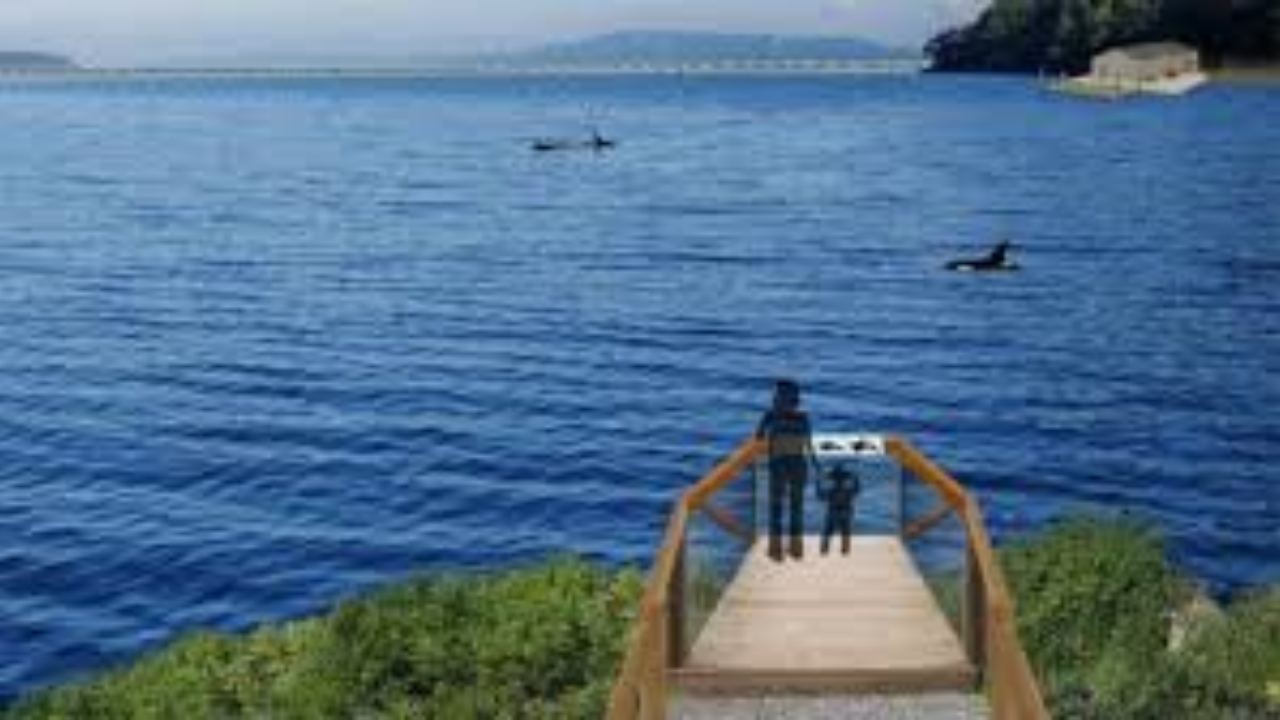
The Whale Sanctuary Project (WSP) is pitching its 100-acre enclosure in Port Hilford Bay as the gold standard for ethical retirement. However, the proposal faces a steep uphill climb:
- Construction Race: While the lease for the bay was secured in late 2025, the sanctuary is not yet built.
- Funding Gap: The project still requires approximately $15 million USD in private donations to complete the first phase of the facility.
- Acclimatization: Marine experts are debating whether the orcas, who have spent their lives in the temperate Mediterranean, can survive the harsh winters of the Canadian coast.
Alternative Options
The Verdict: The next six weeks are critical. If the Whale Sanctuary Project cannot provide “ironclad guarantees” on funding and federal Canadian permits by March, Wikie and Keijo may find themselves in another tank rather than the open ocean.