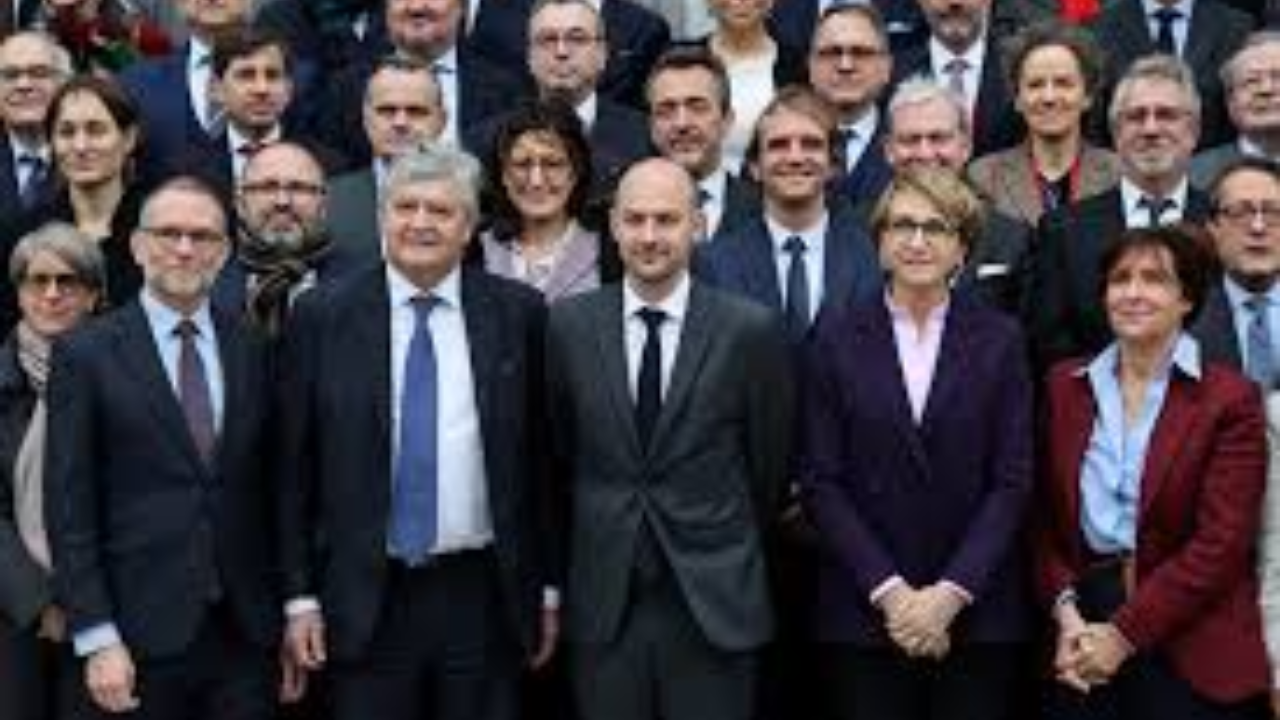
In a defiant address to the diplomatic corps on January 9, 2026, French Foreign Minister Jean-Noël Barrot declared that Europe must exercise its right to refuse “unacceptable” demands from the United States. This marks a significant hardening of the French position as the European Union grapples with the “America First” policies of the second Trump administration.
Thank you for reading this post, don't forget to subscribe!The Catalyst: “Trade Blackmail” and Greenland
The immediate friction stems from Washington’s renewed pressure regarding the purchase of Greenland. Barrot characterized the U.S. approach as a form of “territorial incursion” and “trade blackmail,” asserting that the sovereignty of European neighbors is not a commodity for sale.
Strategic Highlights
- The End of Dependency: Barrot argued that Europe can no longer rely on the U.S. as a guaranteed security guarantor. He noted that the U.S. is increasingly “turning away” from international norms.
- Countering Coercion: France is positioning itself as the leader of a “sovereign Europe,” one capable of saying no to policies that threaten its economic interests or territorial integrity.
- Unity via the Weimar Triangle: France is actively coordinating with Germany and Poland to ensure that the EU presents a single, unbreakable front against external pressure, whether it comes from the East or the West.
A Shift in Global Alliances
The rhetoric coming out of Paris suggests a “moment of clarity.” French officials are now openly comparing the coercive tactics of the current U.S. administration to those of traditional adversaries, suggesting that Europe must treat strategic autonomy as an existential necessity rather than a theoretical goal.
“Europe is not a vassal state. We are perfectly within our rights to define our own interests and defend them when proposals from our allies become unacceptable.” — Summary of the French Foreign Ministry’s stance.