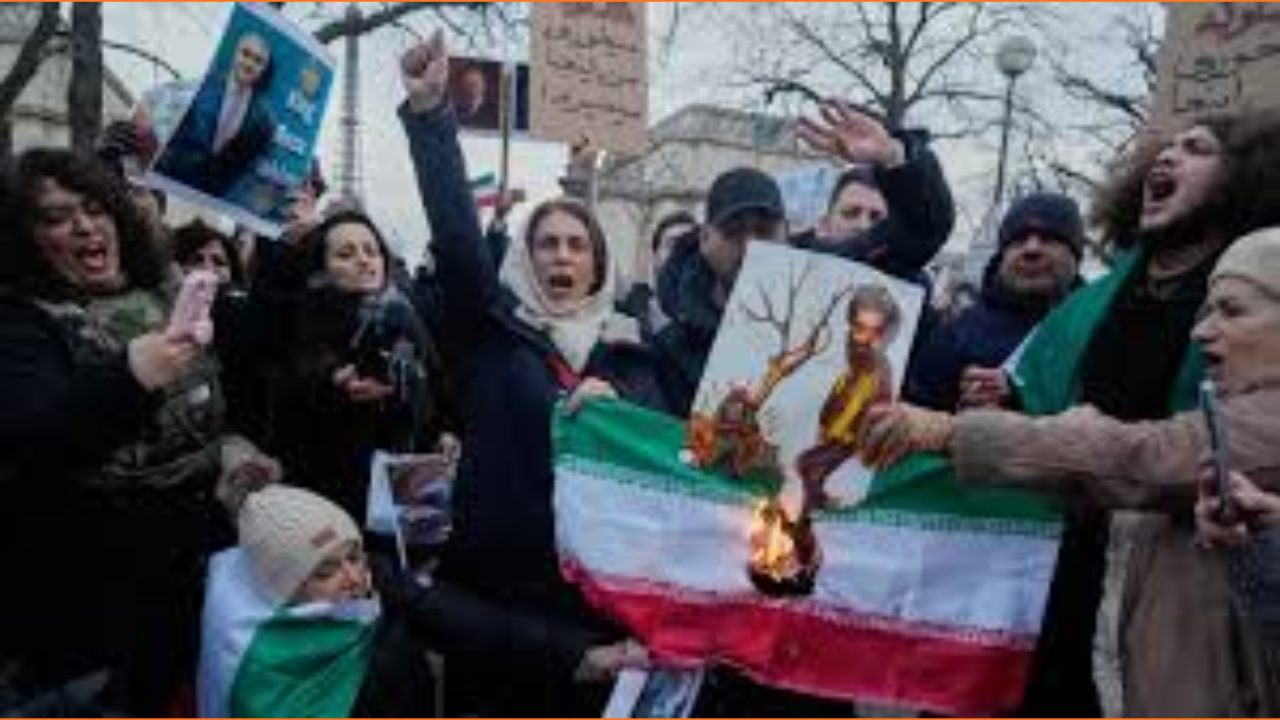
DHAKA – The killing of Sharif Osman Hadi, a prominent figure in the July revolution and spokesperson for the Inqilab Mancha, has plunged the Bangladesh capital into a new wave of instability. Reporting from the historic heart of Dhaka University, India Today’s Ashutosh Mishra highlights a rapidly deteriorating security situation as student groups take to the streets.
Thank you for reading this post, don't forget to subscribe!Escalating Tensions on Campus
The university’s iconic square has become the epicenter of agitation. Various factions, including the Jatiyatabadi Chhatra Dal and supporters of Jamaat-e-Islami, have mobilized to demand accountability for Hadi’s death.
- The Incident: Hadi was shot in the head by masked gunmen on December 12 and succumbed to his injuries on December 18.
- The Atmosphere: The mood is described as “highly volatile,” with protesters expressing deep-seated anger toward both domestic law enforcement and foreign influence.
The “India Factor” and Political Fallout
A significant element of the current unrest is a surge in anti-India sentiment. Protesters have frequently linked the assassination to “hegemonic interests,” leading to the following developments:
- Targeted Attacks: Demonstrators have targeted media houses and institutions perceived as having pro-India or secular leanings.
- Diplomatic Strain: Security has been fortified around Indian diplomatic missions as nationalist rhetoric intensifies.
Impact on the 2026 Elections
With national elections scheduled for February 2026, this violence has cast a shadow over the country’s democratic transition. Mishra reports that the incident raises fundamental questions regarding:
- Political Certainty: Can the interim government maintain order during an election cycle?
- Regional Stability: How will the shift in student-led politics affect relations with neighboring India?
“The incident of violence is raising several questions about the political certainty and stability of the neighboring nation ahead of upcoming elections.” — Ashutosh Mishra,