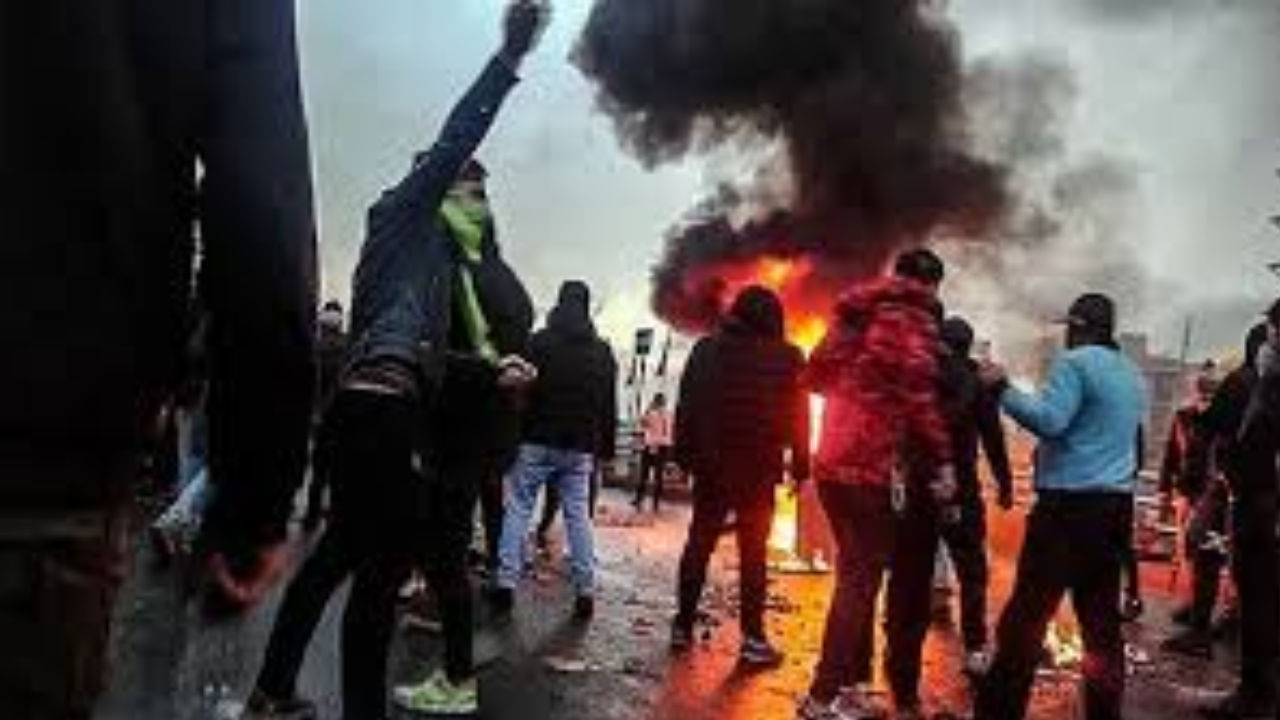
TEHRAN (January 1, 2026) — Iranian state authorities have confirmed the first death within the ranks of the security forces since nationwide protests erupted four days ago. Amir Hossam Khodayari Fard, a 21-year-old volunteer for the Basij (the paramilitary arm of the Revolutionary Guard), was reportedly killed during clashes in the western city of Kouhdasht.
Thank you for reading this post, don't forget to subscribe!The Spark: Economic Collapse
Unlike previous ideologically driven movements, this current wave of unrest is rooted in a catastrophic economic downturn. The protests were ignited by:
- Currency Freefall: The Iranian rial plummeted to a record low of 1.45 million to the US dollar.
- Sanction Pressure: The reinstatement of UN “snapback” sanctions following the June 2025 conflict with Israel has crippled the nation’s trade.
- Hyperinflation: With inflation exceeding 50%, basic goods have become unaffordable for the average citizen, prompting merchant strikes that began in Tehran’s Grand Bazaar.
Current Status of the Unrest
The demonstrations have rapidly evolved from economic grievances to a broader challenge against the state, spreading to major hubs like Isfahan, Shiraz, and Mashhad.
| Metric | Status / Estimated Count |
| Confirmed Security Deaths | 1 (Amir Hossam Khodayari Fard) |
| Reported Protester Deaths | 37 (Per human rights monitoring groups) |
| Primary Hotspots | Tehran, Lorestan Province, and Fasa |
| Government Stance | Blaming “hostile foreign elements” while calling for calm |
A Government Divided
The crisis presents a significant test for President Masoud Pezeshkian. While the IRGC has moved to suppress “rioters” in cities like Fasa—where a governor’s office was reportedly stormed—Pezeshkian has publicly acknowledged the “unbearable” economic pressure on the population, suggesting a potential rift in how the state should respond to the mounting pressure.