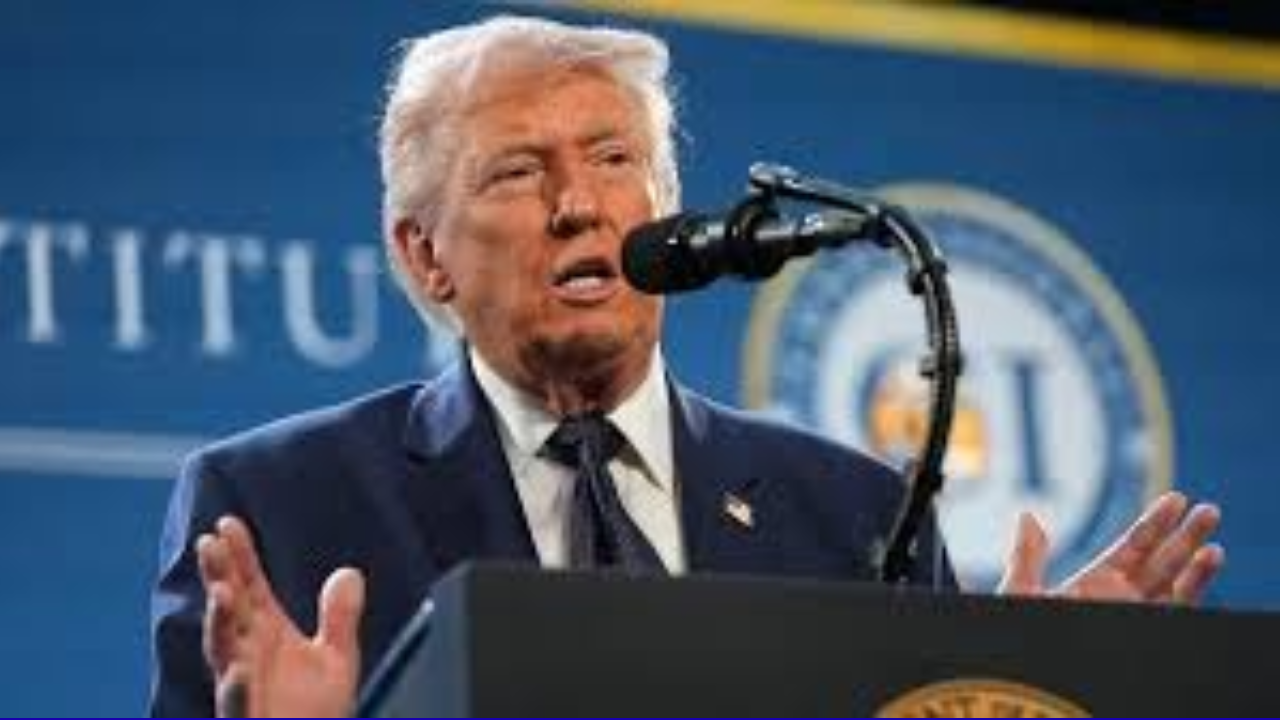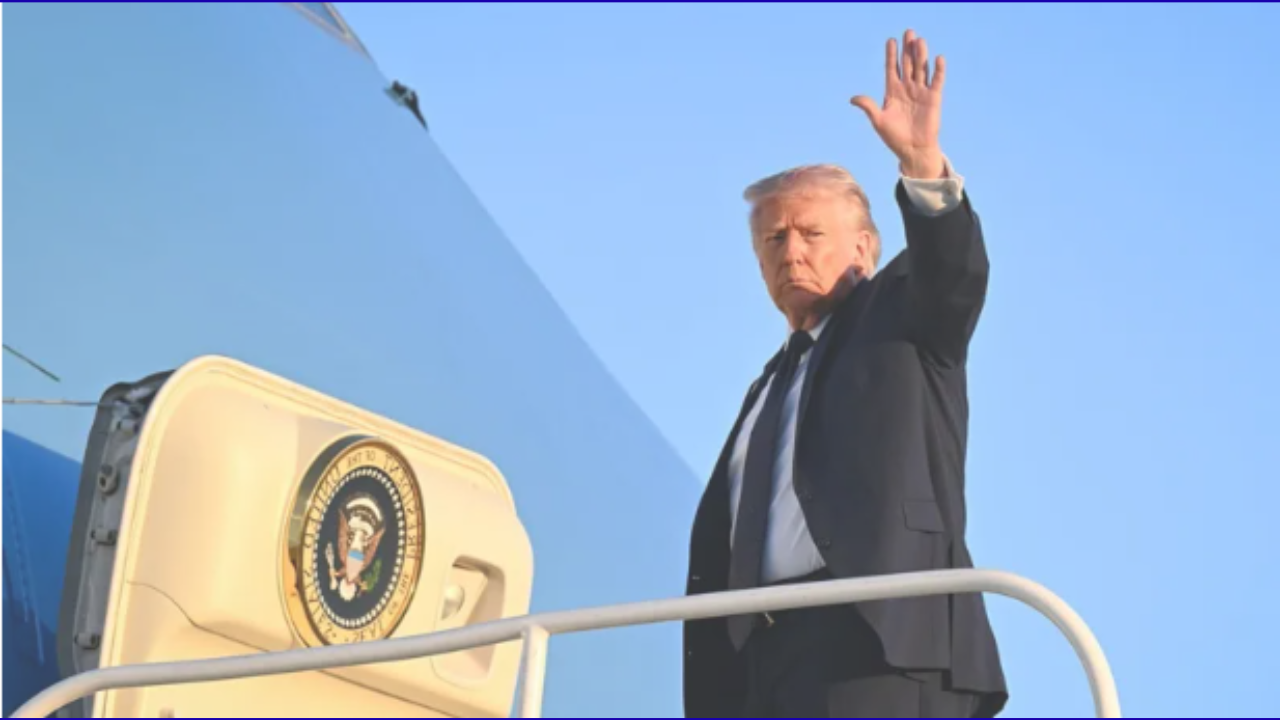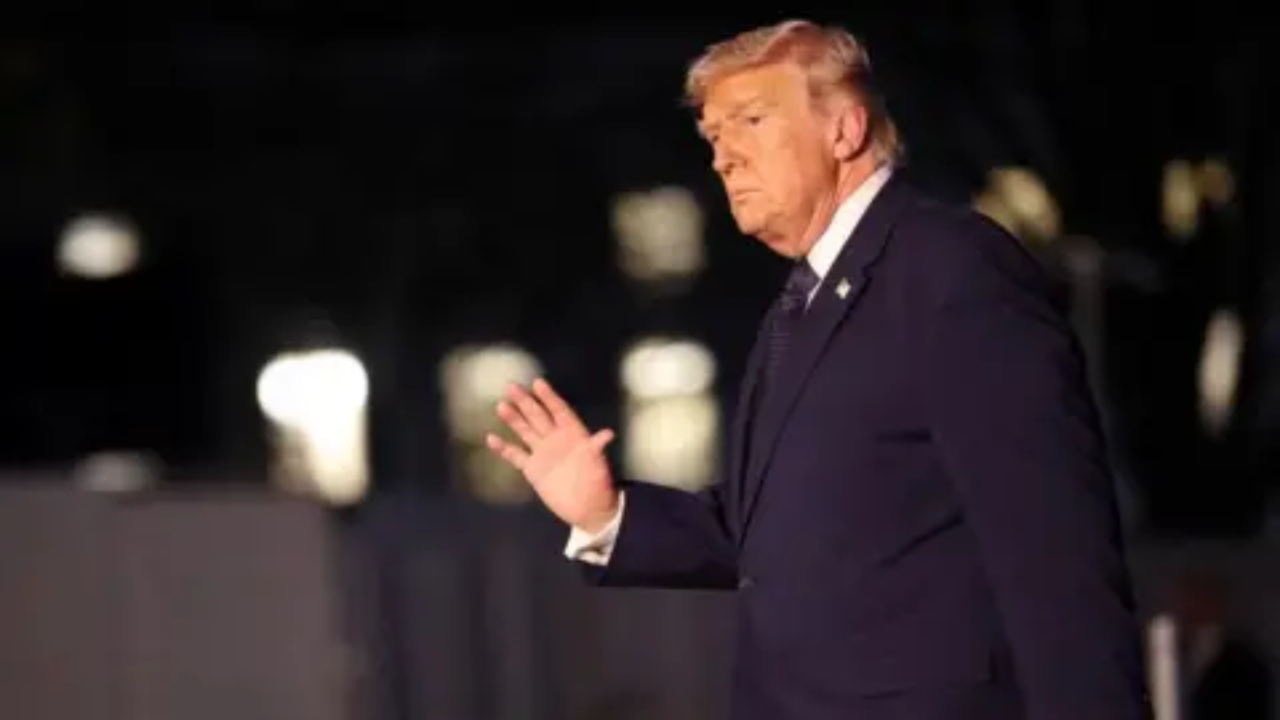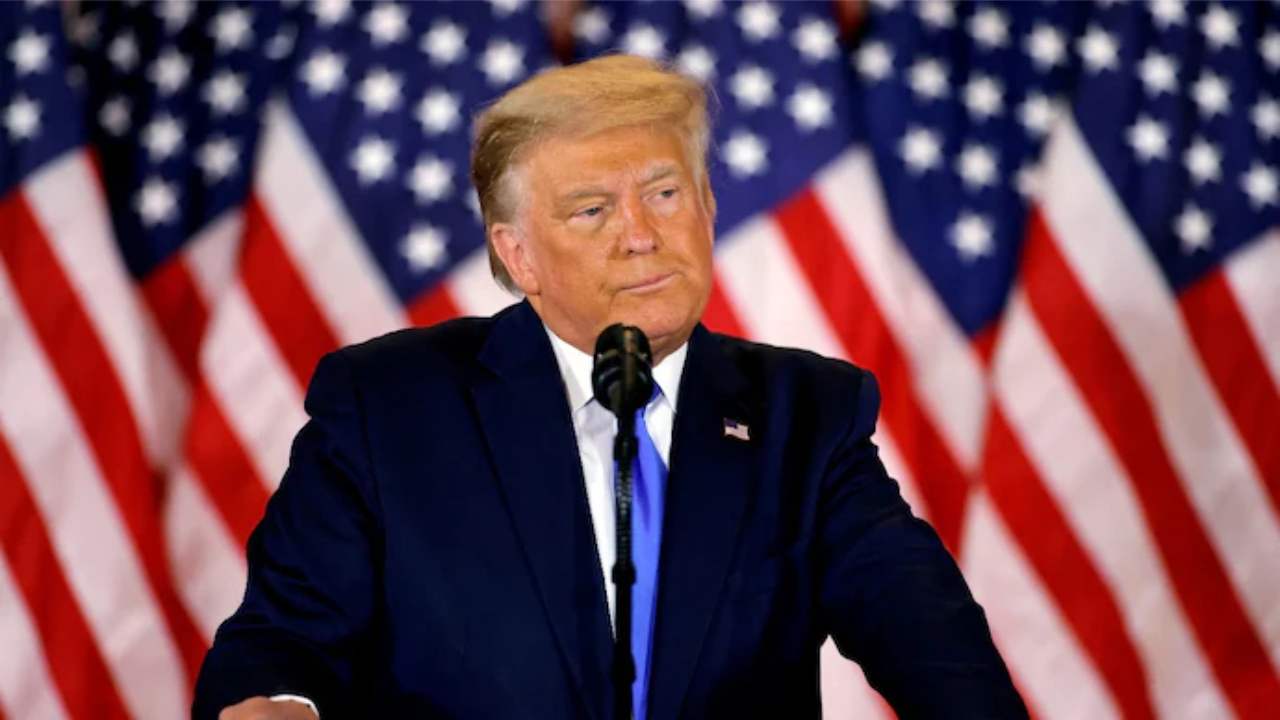
A federal judge has permanently blocked a major part of President Donald Trump’s executive order on elections, specifically ruling that he cannot require voters to present proof of citizenship—like a passport—before registering to vote.
Thank you for reading this post, don't forget to subscribe!U.S. District Judge Colleen Kollar-Kotelly in Washington, D.C., issued the final ruling, declaring the measure unconstitutional.
The Constitutional Conflict
The heart of the judge’s ruling rested on the principle of the separation of powers.
- President Exceeded Authority: The court determined that the President lacks the authority to direct such sweeping changes to election rules.
- State and Congress Oversight: Judge Kollar-Kotelly emphasized that the U.S. Constitution gives election oversight responsibility to the states and Congress, not the President.
What the Blocked Order Required
The executive order, signed by Trump on March 25, was a broad effort to overhaul federal elections. The blocked section would have required:
- The U.S. Election Assistance Commission (EAC) to change the national voter registration form to demand a document proving citizenship.
- Federal officials to “assess” the citizenship of people receiving public assistance before offering them voter registration forms.
The ruling grants a permanent injunction against the implementation of these specific requirements.
What Wasn’t Blocked
Notably, Judge Kollar-Kotelly had previously declined to block another provision of the executive order that seeks to bar states from counting mail-in ballots received after Election Day, even if they were postmarked before it.
Who Challenged the Order?
The permanent injunction was a win for several groups that filed lawsuits against the executive order, including the Democratic National Committee, the League of United Latin American Citizens, and the League of Women Voters Education Fund. These groups argued the measures would likely discourage or prevent eligible citizens from registering to vote.