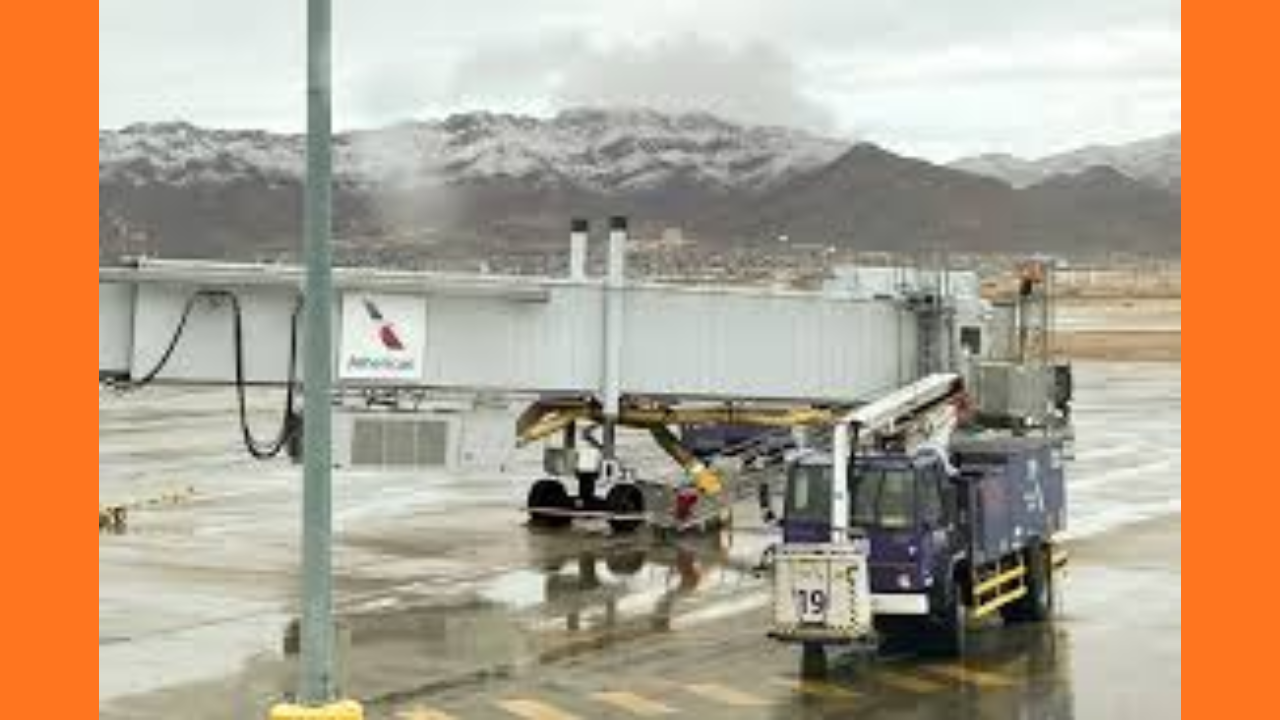
The FAA has officially lifted the “National Defense Airspace” restrictions over El Paso International (ELP) following a chaotic Wednesday morning. While the 10-day shutdown was aborted in just hours, the event has sparked a major debate over border security and federal communication.
Thank you for reading this post, don't forget to subscribe!The Timeline of Confusion
- The Lockdown: Late Tuesday, the FAA issued an emergency TFR (Temporary Flight Restriction) effective through February 21, effectively grounding the city.
- The Reversal: By 8:00 AM MST Wednesday, the order was rescinded. The FAA now claims there is “no current threat” to commercial air travel.
- The Impact: Though brief, the closure triggered a cascade of cancellations for Southwest and American Airlines, leaving hundreds of passengers stranded.
The “Why”: Cartel Drones vs. Bureaucratic Friction
The official narrative is currently split between national security and technical miscommunication:
- The Drone Narrative: The Trump Administration and the DOT maintain that Mexican cartel drones breached U.S. airspace. They claim the Department of Defense (DoD) successfully “neutralized” the threat, necessitating the temporary flight freeze.
- The “Friendly Fire” Theory: Aviation insiders suggest the shutdown wasn’t caused by the drones themselves, but by a lack of coordination between the Pentagon and the FAA. The theory is that the military prepared to use electronic jamming or high-energy lasers without a plan to protect civilian avionics.
- Local Skepticism: Texas representatives have questioned the severity of the response, noting that while drone activity is a constant at the border, a city-wide “National Defense” designation is an unprecedented escalation.
Key Takeaway: The use of “National Defense Airspace” terminology is significant—it grants the military authority to use deadly force against non-compliant aircraft. Its brief invocation suggests a high-stakes disagreement behind the scenes.