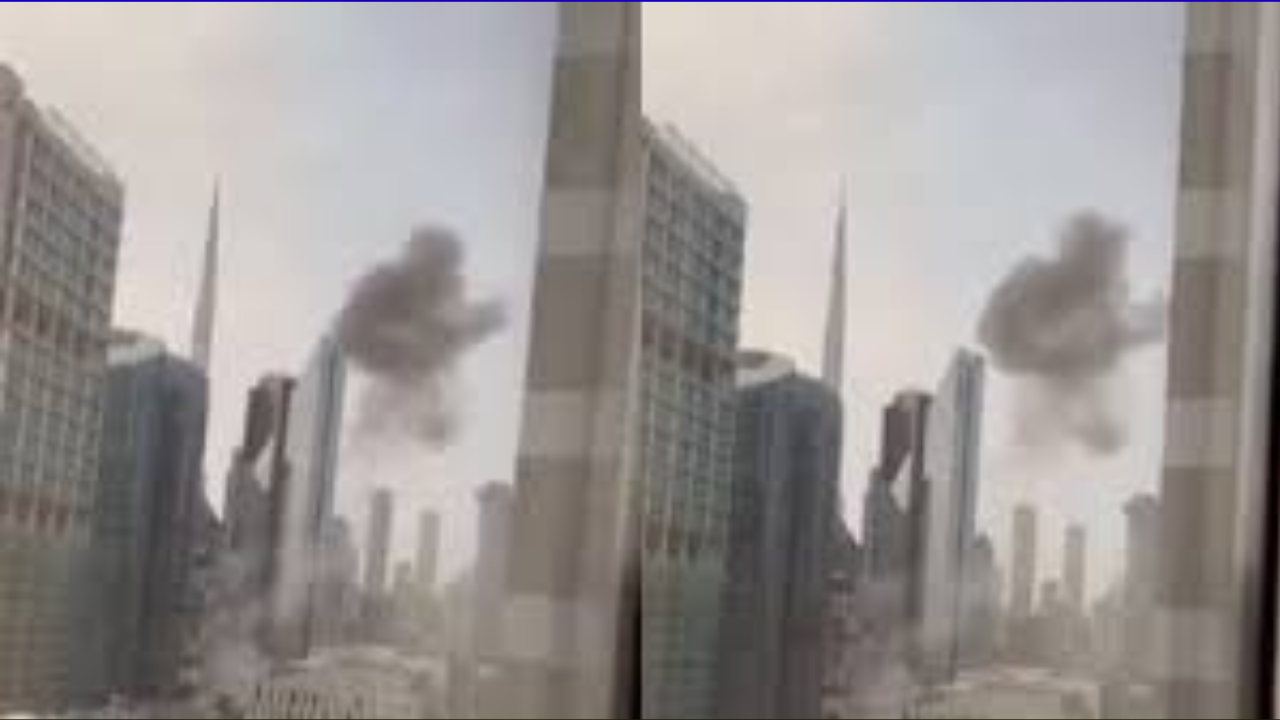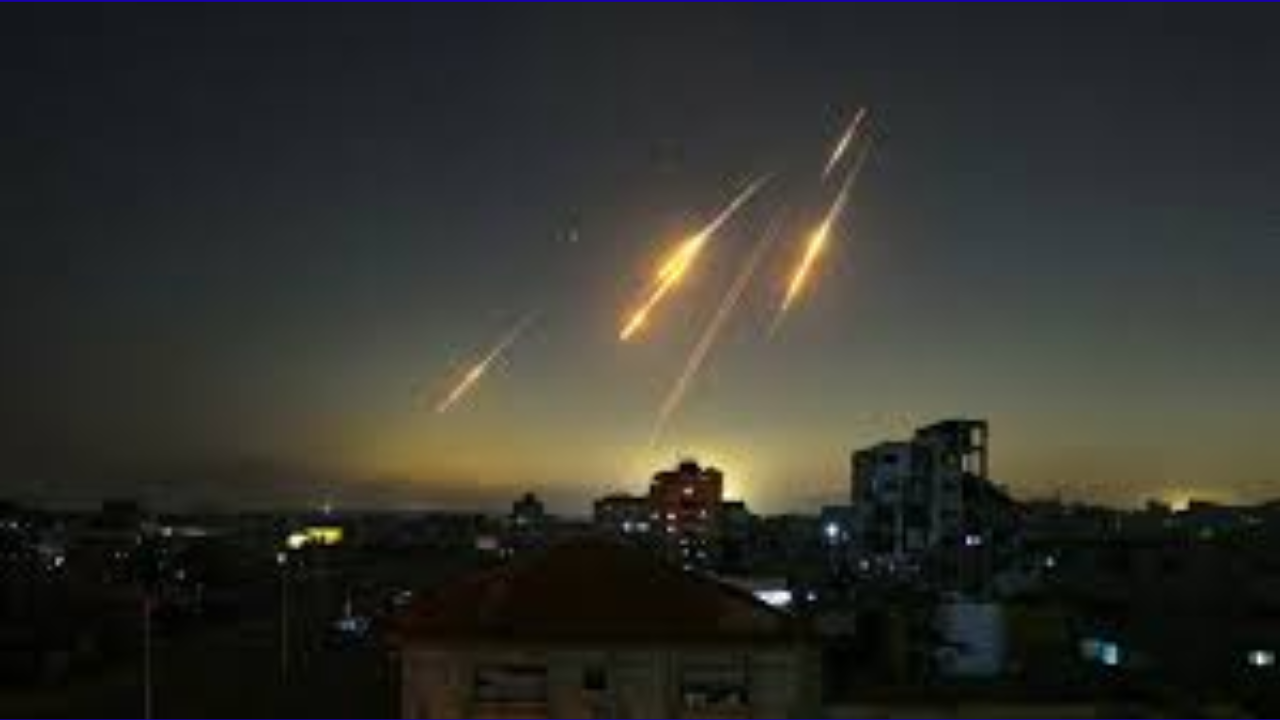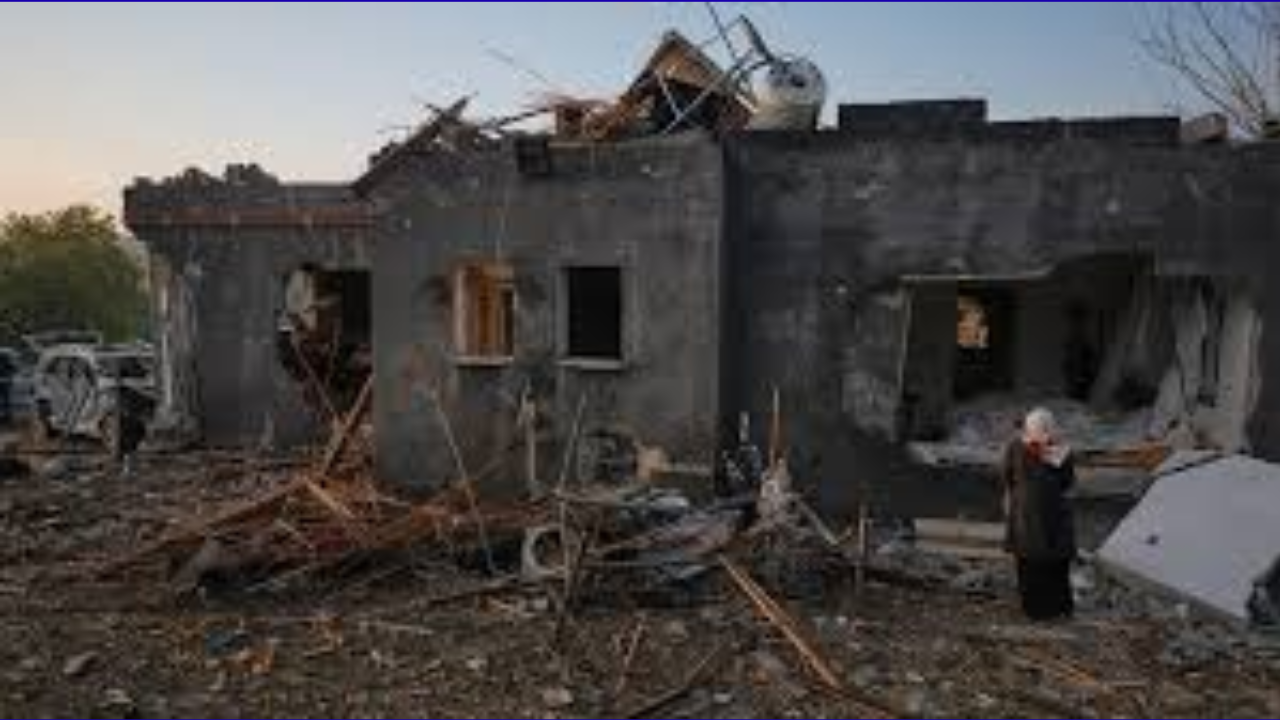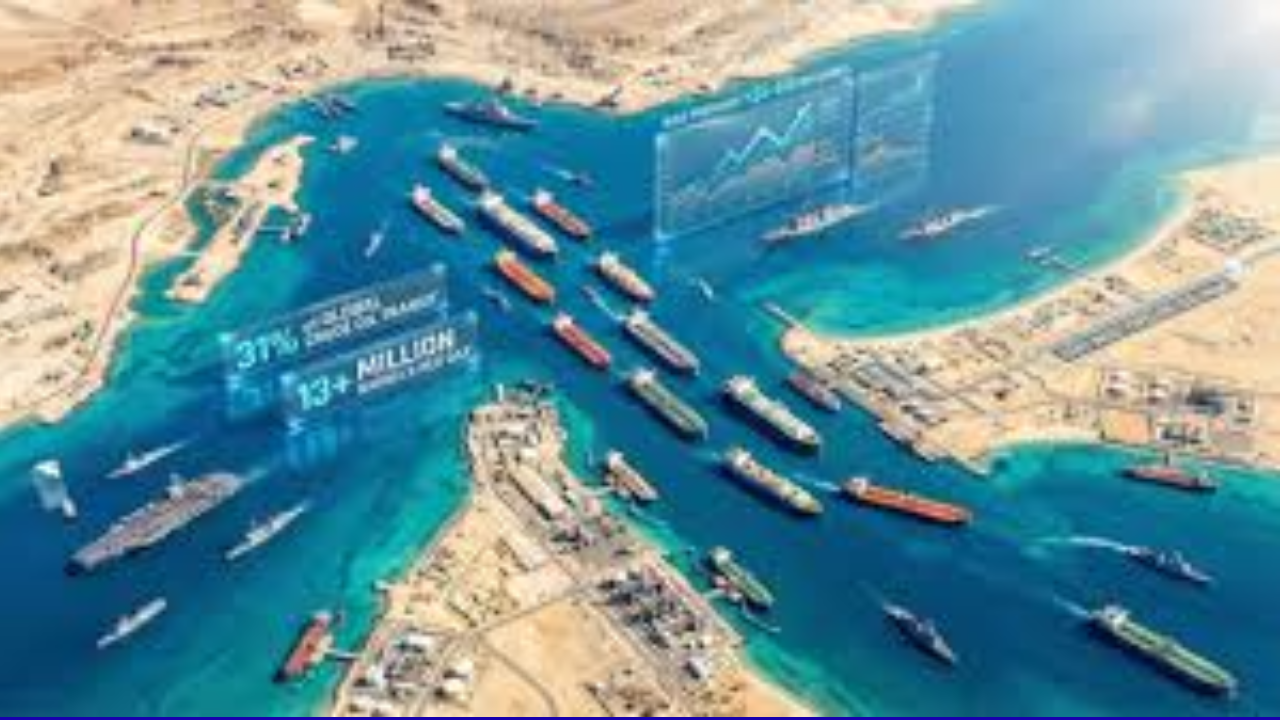
The European Union has announced it will formally reassess its oil and gas security if the Strait of Hormuz remains closed for a “prolonged period.” While the bloc currently maintains that there is no immediate threat to its energy supplies, the escalating maritime restrictions in the region have sparked global concern over price volatility and supply chain stability.
Thank you for reading this post, don't forget to subscribe!Key Developments
- EU Strategy: Following emergency coordination meetings yesterday, EU officials confirmed that while current stocks are stable, a long-term blockage of the world’s most vital shipping lane would force a total revision of the bloc’s energy strategy.
- Current Risk Level: For now, the EU asserts that security of supply remains intact, though they are monitoring the “further disruptions” caused by the ongoing conflict.
- Global Response: In a sign of growing pressure, Australia has moved to release emergency reserves, making six days’ worth of petrol and five days’ worth of diesel available to stabilize its domestic market.
Why the Strait Matters
The Strait of Hormuz is a critical chokepoint for global energy. A significant portion of the world’s total oil production and liquefied natural gas (LNG) passes through this narrow channel. The current “restricted” traffic has already led to:
- Increased Shipping Costs: Higher insurance premiums and longer routes for tankers.
- Price Volatility: Fear-driven spikes in global crude and gas benchmarks.
- Stockpile Dependency: Increased reliance on emergency reserves, as seen in Australia’s recent intervention.
Outlook
The EU intends to continue its coordination efforts to prevent a supply vacuum. However, the move to “reassess” signals that the bloc is preparing for a “worst-case scenario” should the diplomatic and military situation in the Middle East fail to de-escalate.