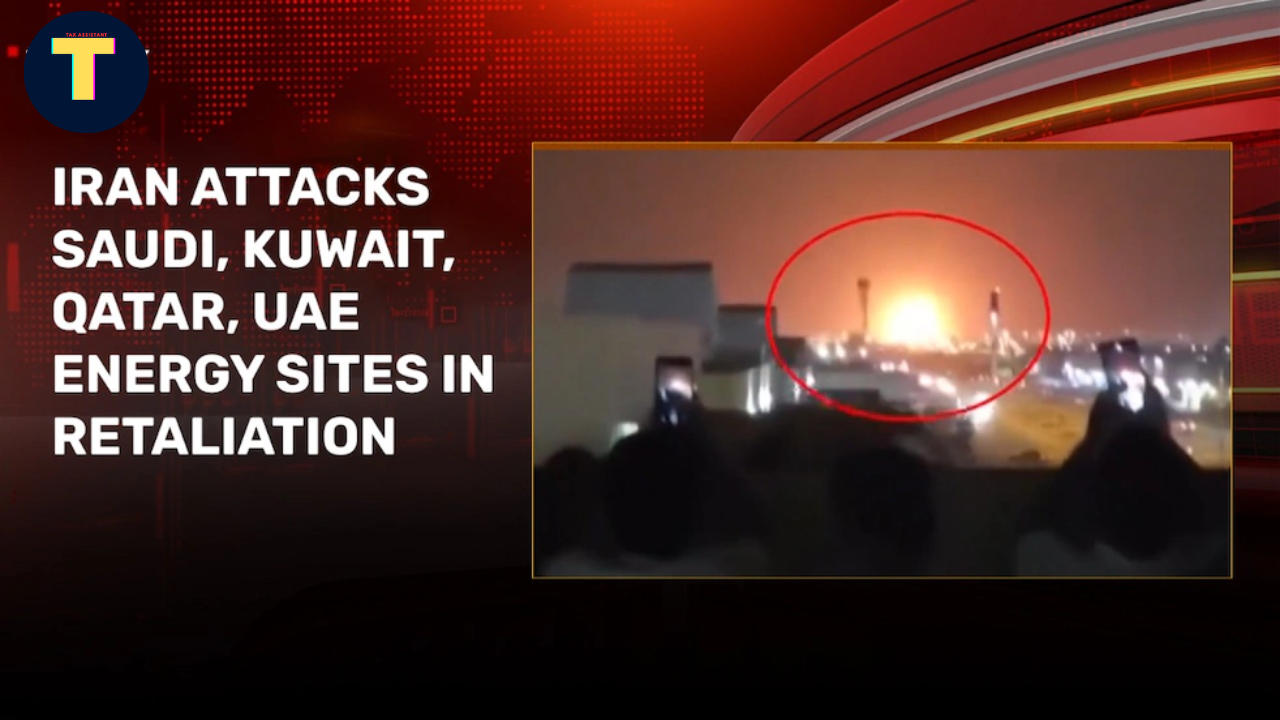
The regional conflict ignited by the US-Israeli offensive on February 28, 2026, has entered a dangerous new phase. As of March 19, 2026, the focus has shifted toward a direct confrontation between Tehran and Riyadh, threatening to pull major regional powers—including Pakistan—into the fray.
Thank you for reading this post, don't forget to subscribe!The Riyadh Missile Barrage
On March 18, 2026, the Iranian Revolutionary Guard Corps (IRGC) launched a coordinated wave of ballistic missiles and drones targeting the Saudi capital.
- The Defense: Saudi air defenses successfully intercepted four ballistic missiles over the city.
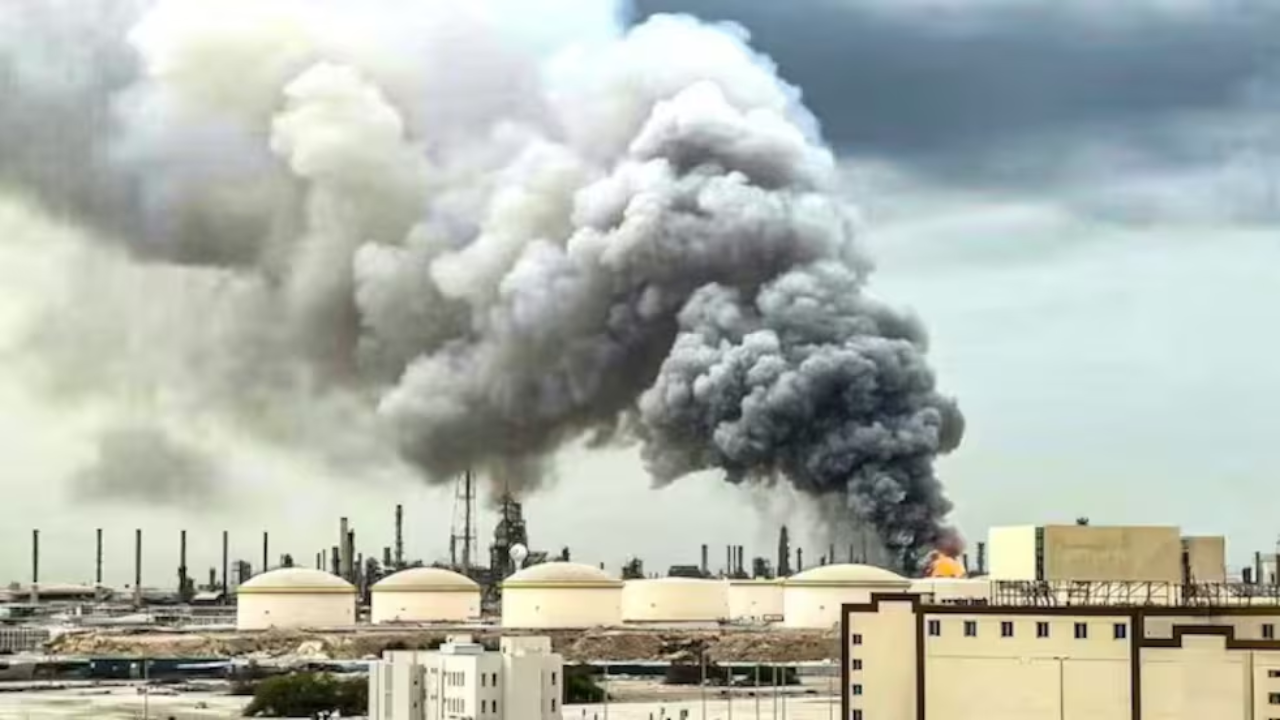
- The Fallout: While there were no direct hits, falling debris injured four civilians and damaged residential areas. Debris also fell near a strategic refinery, raising alarms regarding global energy security.
- Unprecedented Alerts: In a rare move, Saudi Civil Defense activated mass mobile emergency alerts, signaling the gravity of the “hostile aerial threat.”
Saudi Arabia’s “Patience” Nears an End
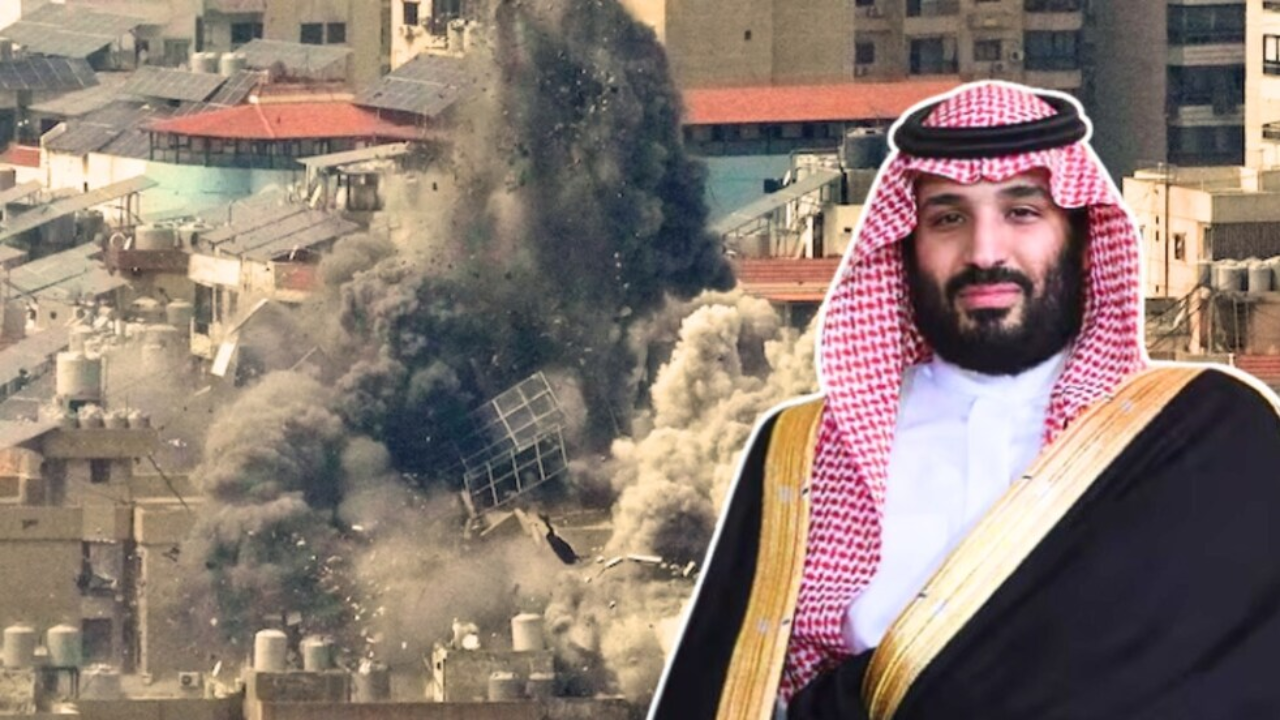
Saudi Foreign Minister Prince Faisal bin Farhan has warned that the Kingdom’s period of restraint is over. Since the conflict began three weeks ago, Saudi forces have intercepted over 450 drones and 40 missiles.
- Shift to Offense: Citing Article 51 of the UN Charter, Riyadh has officially notified the international community of its right to launch offensive military strikes against Iranian infrastructure if the attacks do not cease immediately.
Pakistan’s Strategic Dilemma
Pakistan finds itself at a crossroads due to its deep ties with Riyadh and its shared border with Tehran.
- The 2025 Defence Pact: A mutual defense agreement signed last September suggests that an attack on Saudi Arabia triggers a Pakistani military response.
- The Risks: * Border Security: Joining the conflict could ignite hostilities along Pakistan’s 900km border with Iran.
- Internal Stability: Military involvement risks domestic sectarian tension.
- Nuclear Narrative: While the pact focuses on conventional support—such as drones and intelligence—the international community remains wary of any nuclear-armed state entering a hot war.
Impact at a Glance
| Indicator | Status (March 19, 2026) |
| Global Oil Prices | Surged past $115 per barrel |
| Saudi Posture | Defensive to Potential Offensive |
| Pakistan Status | High Alert; evaluating treaty obligations |