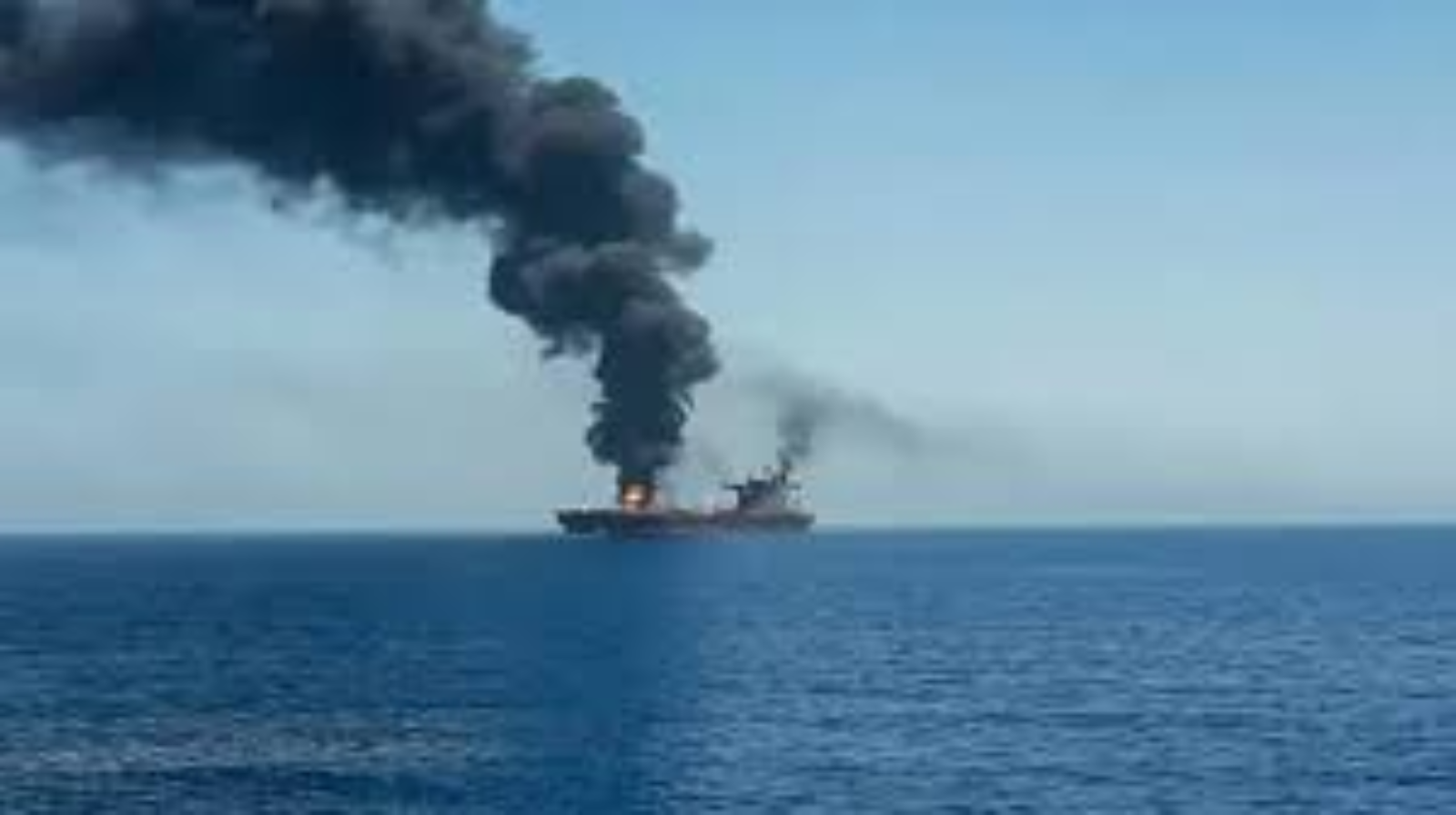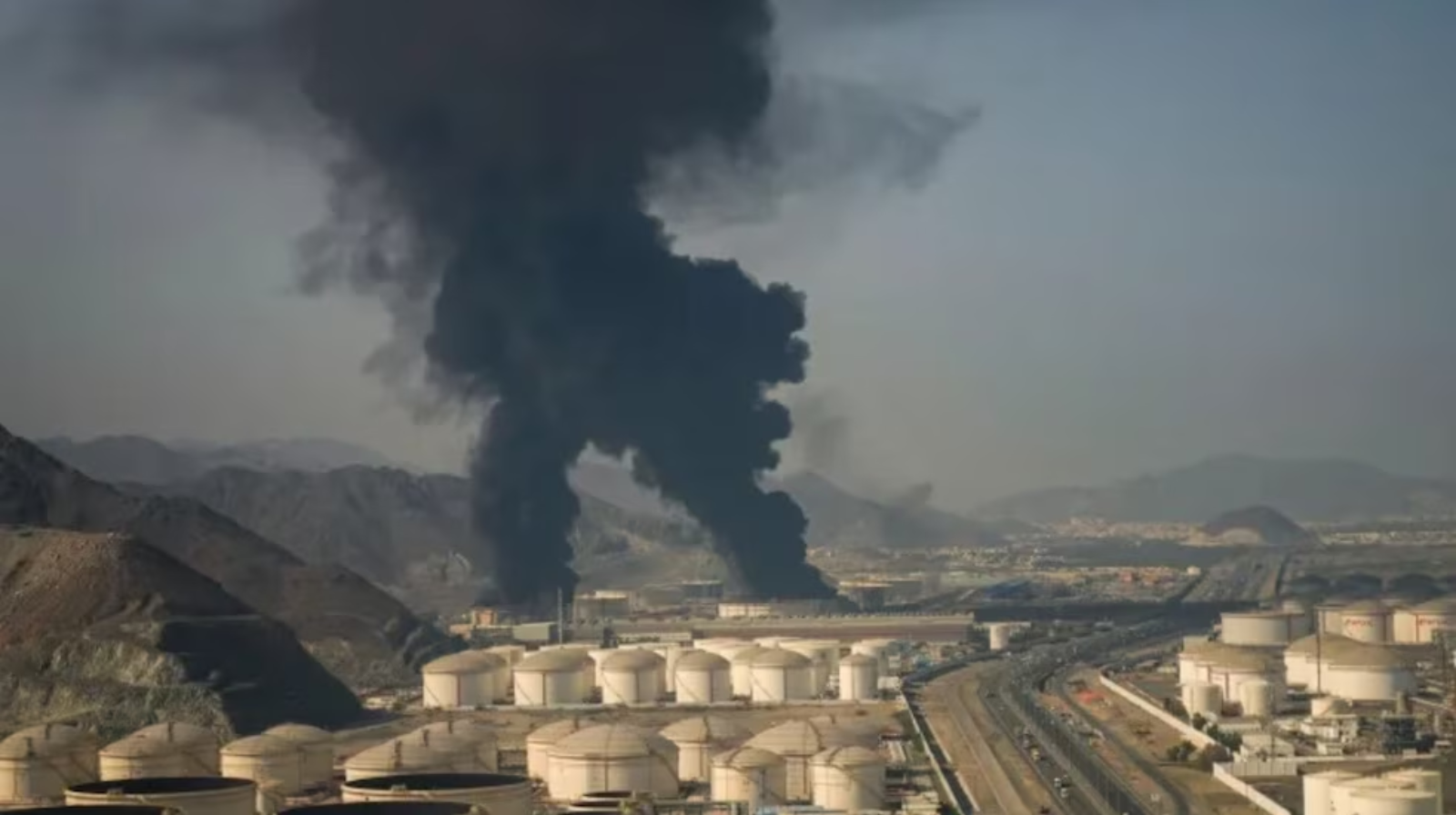
The conflict involving Iran has entered a volatile new phase as of late March 2026. Both Israeli Prime Minister Benjamin Netanyahu and U.S. President Donald Trump have signaled a shift toward a long-term, high-stakes military campaign, rejecting traditional diplomatic timelines in favor of “complete” strategic outcomes.
Thank you for reading this post, don't forget to subscribe!1. Israel’s Stance: A War Without a Deadline
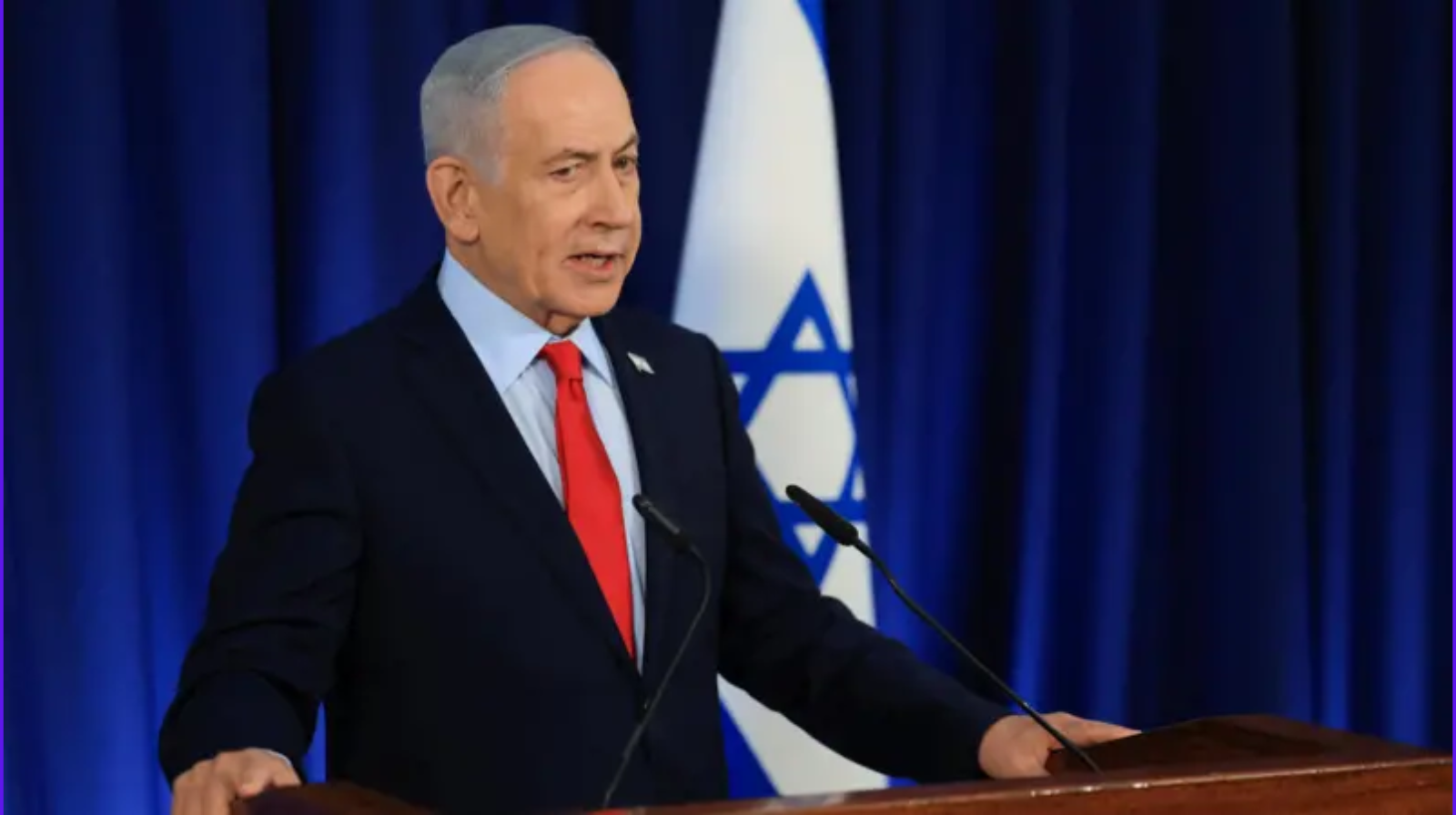
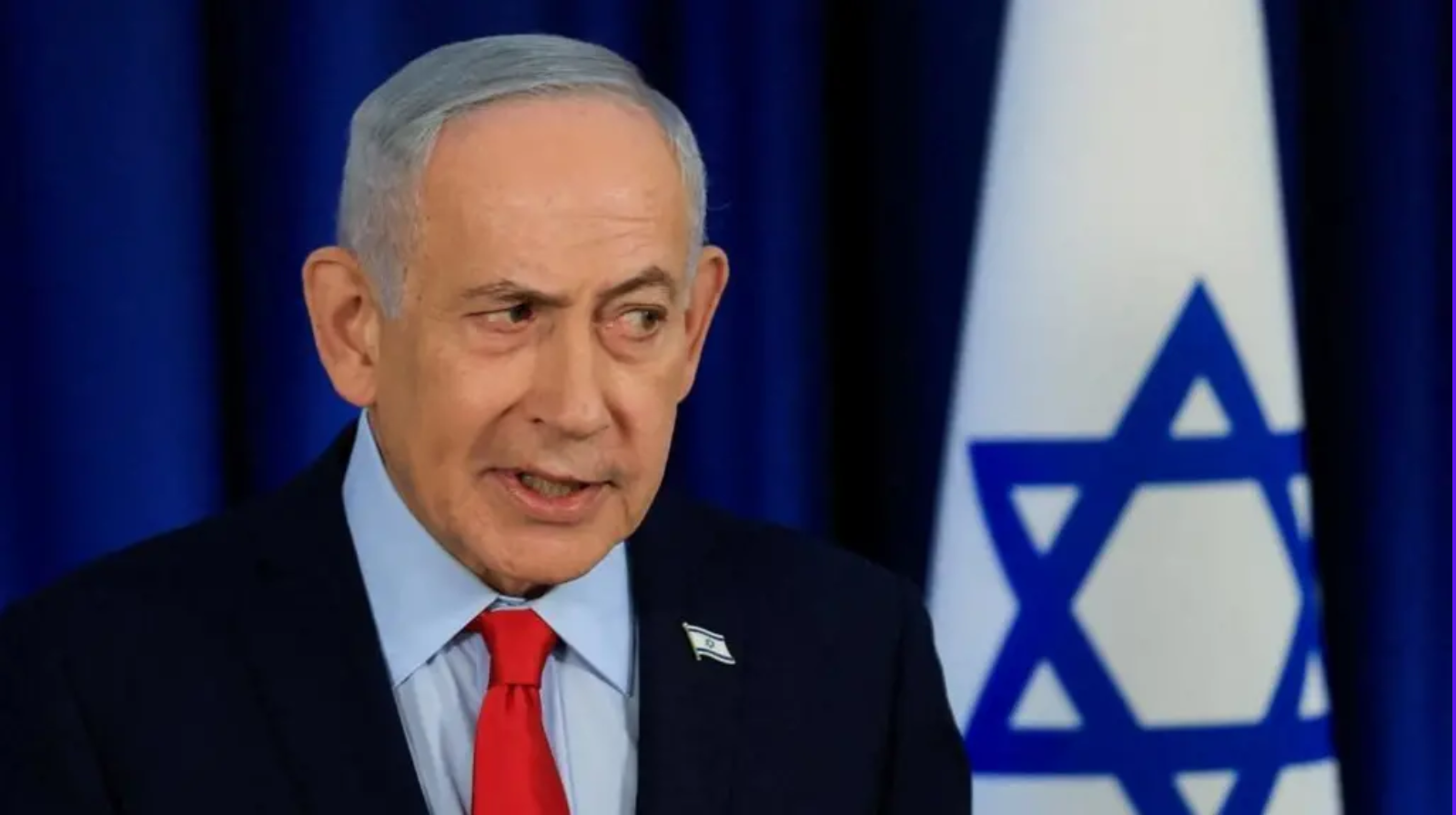
In a recent address, Prime Minister Netanyahu reaffirmed that Israel remains in a state of high-intensity conflict, specifically refusing to commit to a conclusion date.
- Mission Progress: Netanyahu asserted that more than half of Israel’s military objectives—which include the systematic degradation of Iran’s arms industry and nuclear capabilities—have been achieved.
- The “Internal Collapse” Strategy: Rather than seeking a purely military surrender, the Prime Minister indicated that the ultimate goal is to maintain pressure until the current Iranian regime “collapses internally.”
- Mission vs. Timeline: He clarified that while the “War of Redemption” is progressing, the focus remains on the fulfillment of specific security benchmarks rather than adhering to a calendar.
2. The U.S. Ultimatum: Targeting the Energy Core
- Infrastructure Threats: Trump has threatened to “obliterate” Iran’s energy sector, specifically citing oil wells, electric power plants, and the Kharg Island export terminal.
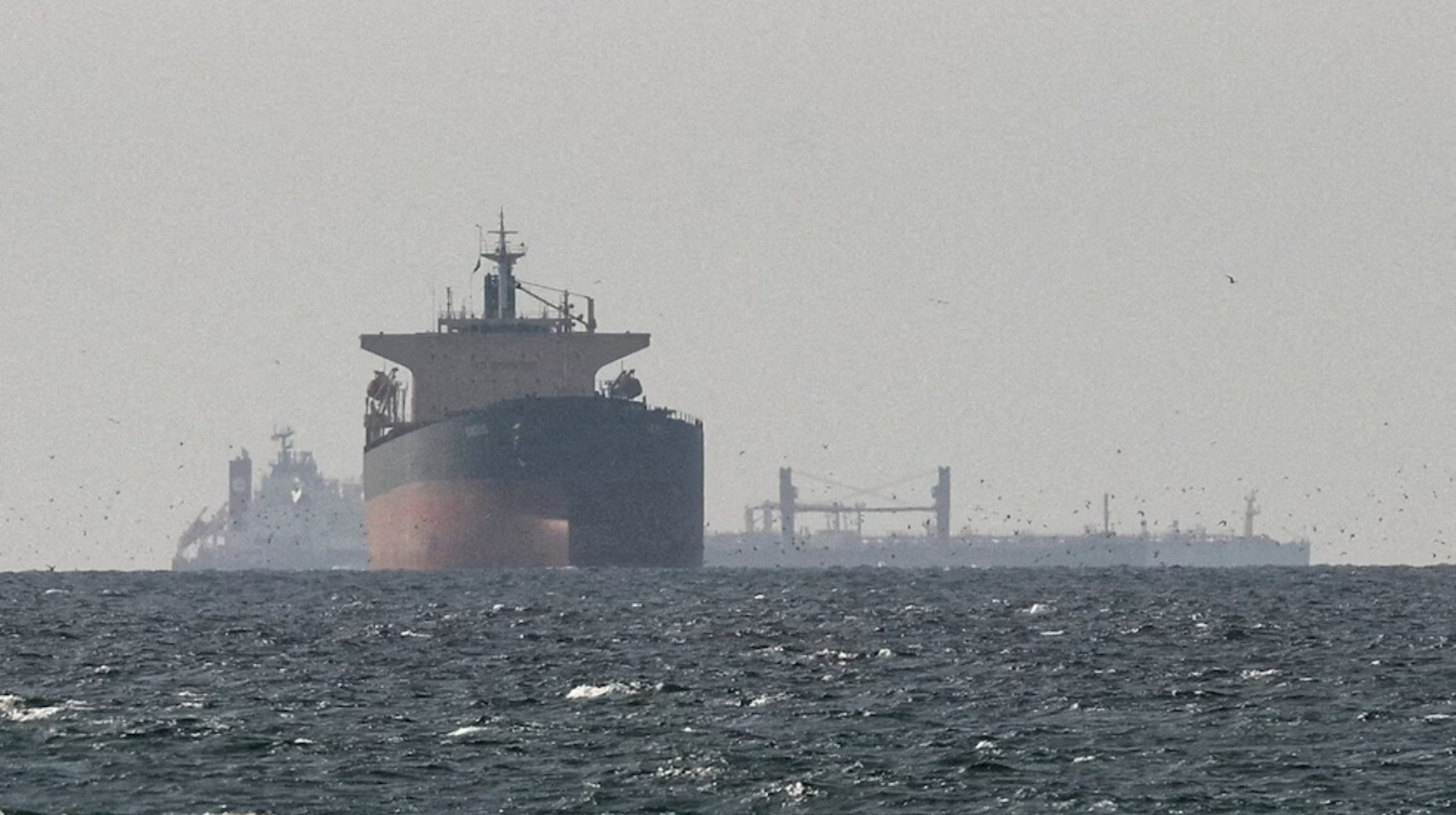
- The Hormuz Crisis: A primary condition for de-escalation is the immediate reopening of the Strait of Hormuz for international oil transit.
- Humanitarian Concerns: The inclusion of desalination plants in Trump’s list of potential targets has raised alarms among international observers, as such strikes would threaten the basic water security of millions across the region.
3. The Diplomatic Standoff
Despite the aggressive rhetoric, there is a conflicting narrative regarding a possible resolution:
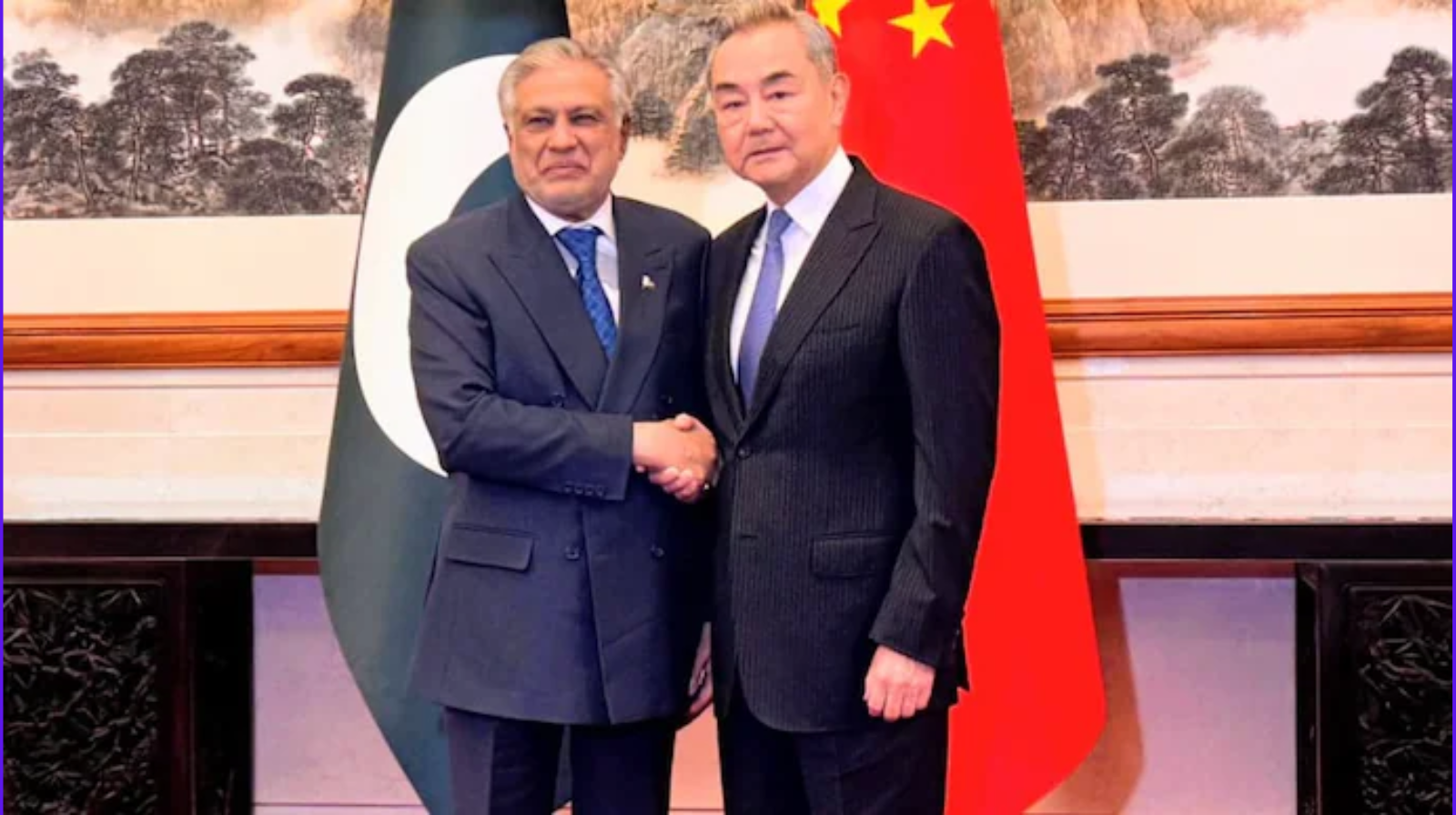
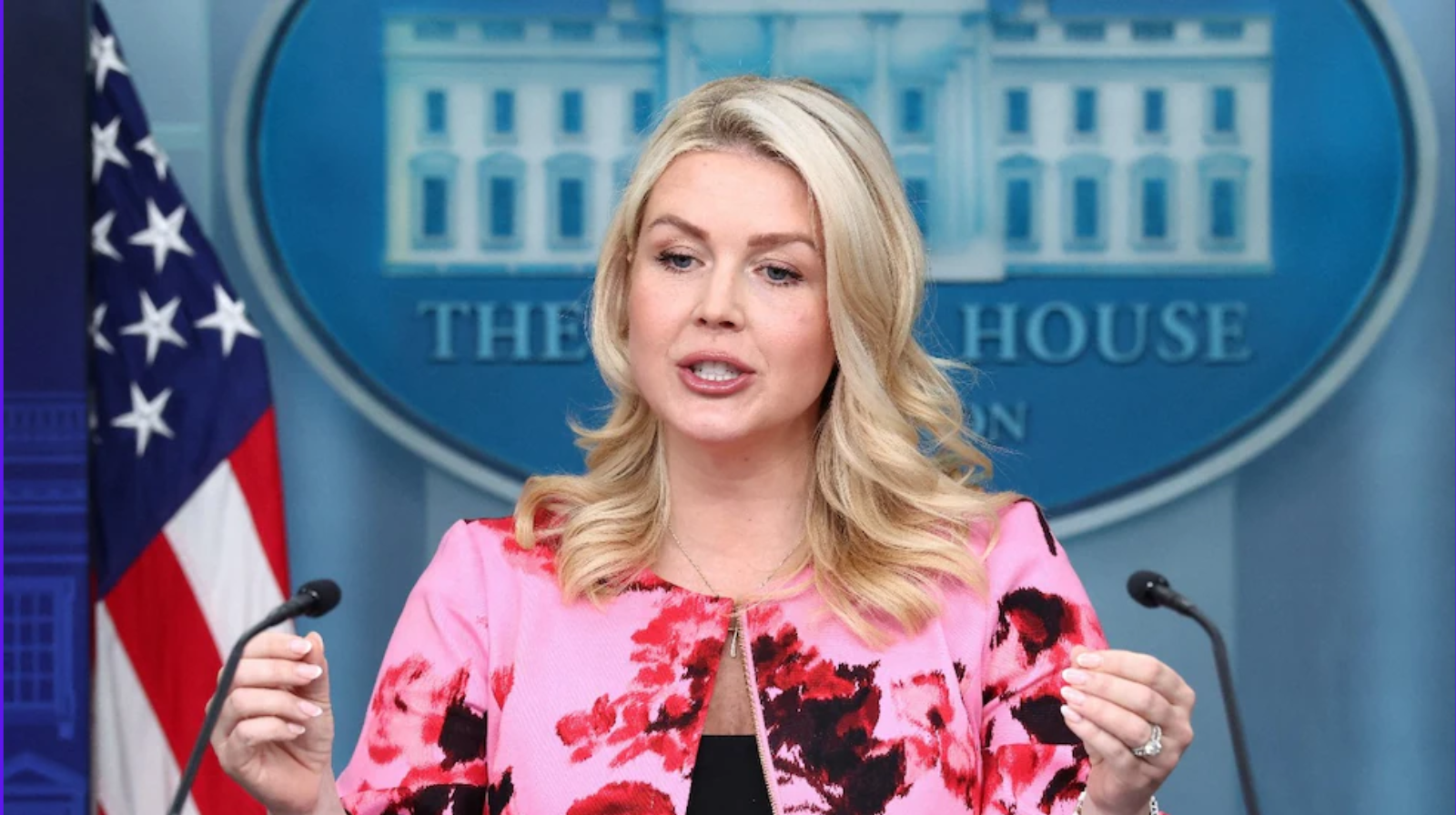
- The Trump Proposal: The U.S. has reportedly delivered a 15-point ceasefire proposal. While Trump claims progress is being made through international intermediaries like Pakistan, Tehran has officially labeled the terms “irrational” and “unrealistic.”
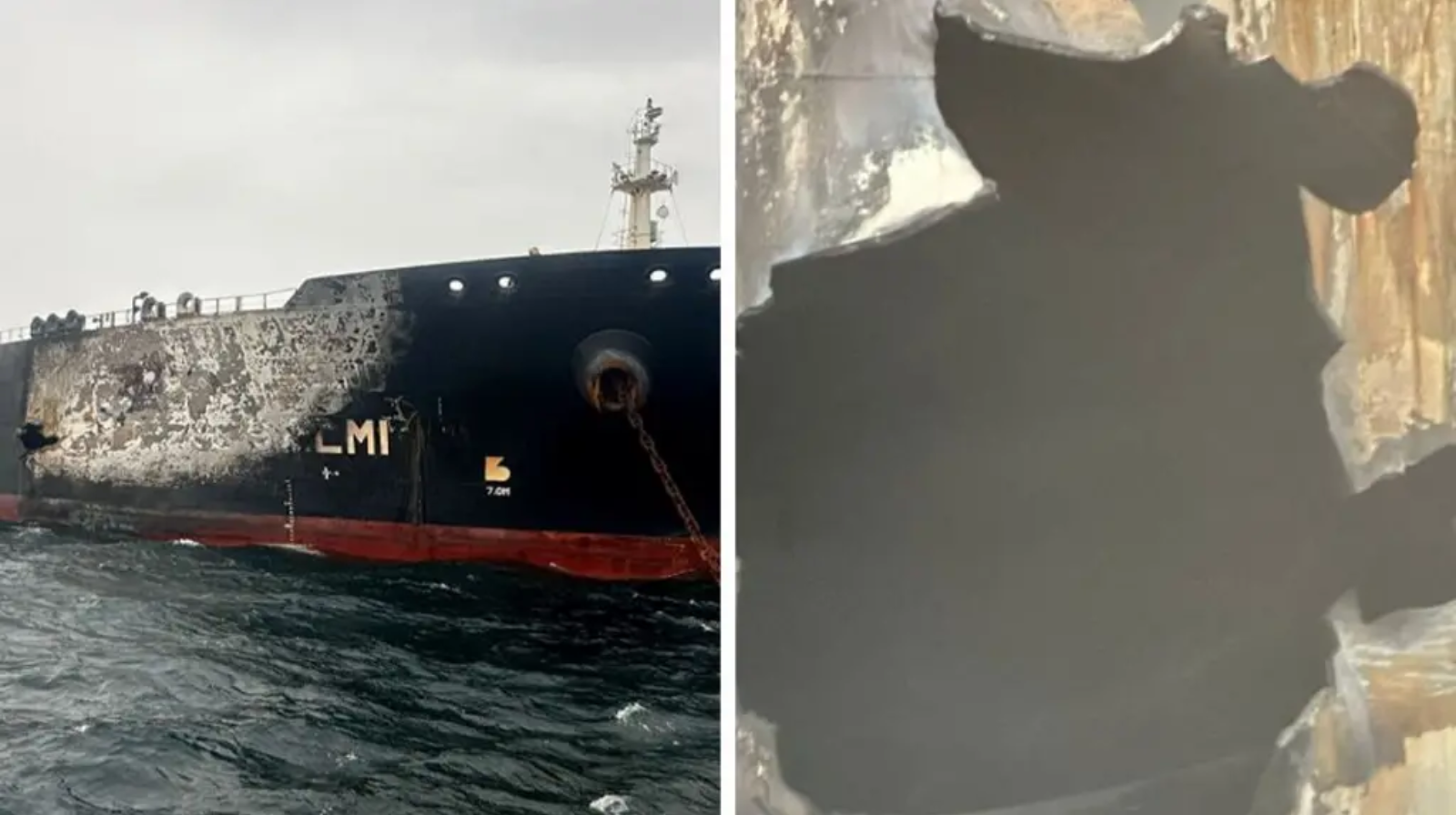
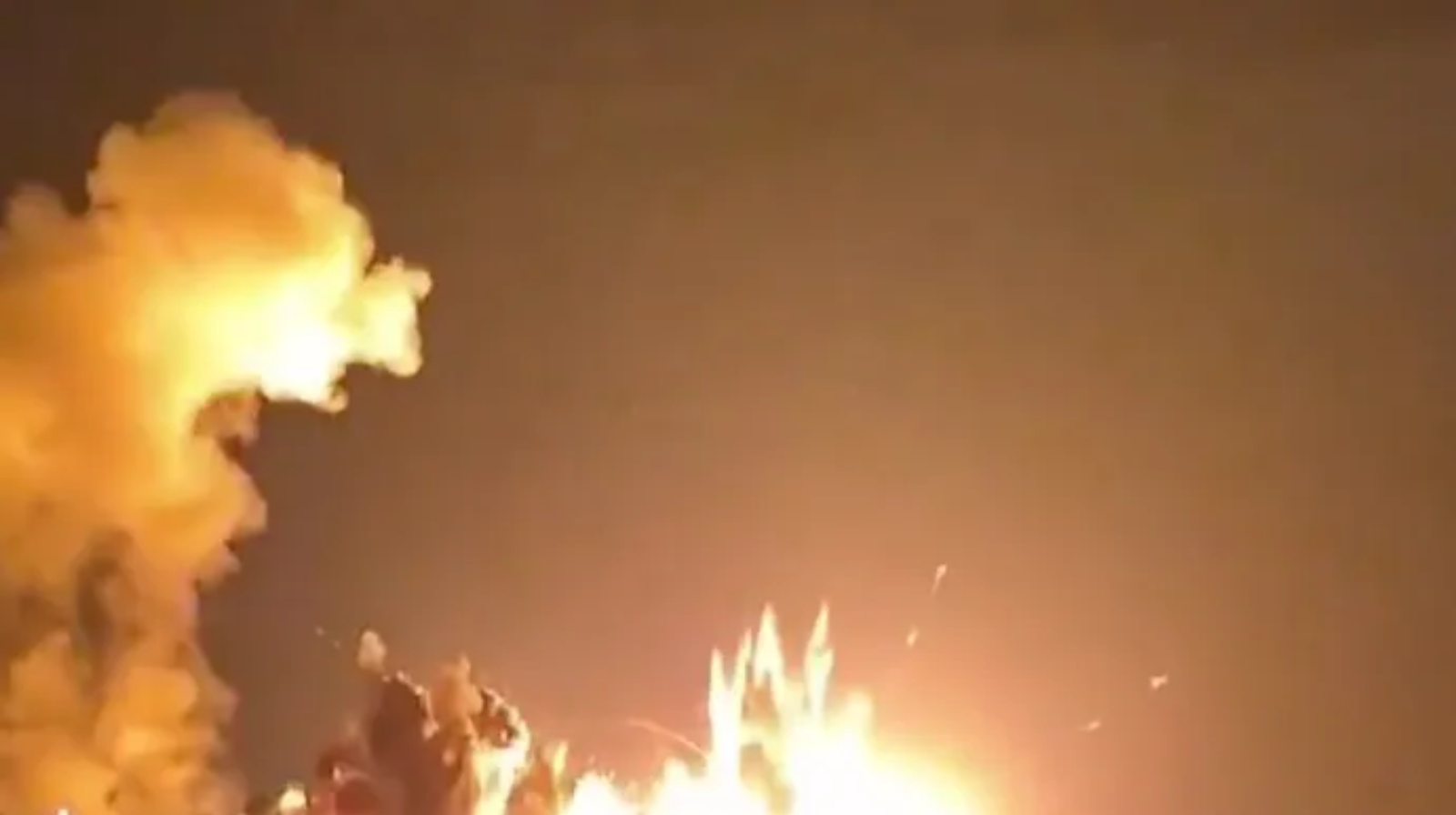
- Regional Impact: The lack of a clear timeline or agreed-upon terms has already led to retaliatory strikes on energy infrastructure in Israel and Kuwait, fueling fears of a wider regional “energy war.”