As of late March 2026, the month-long conflict with Iran has reached a critical “dual-track” juncture. President Trump is publicly championing a diplomatic breakthrough even as the Pentagon accelerates preparations for high-risk ground operations.
Thank you for reading this post, don't forget to subscribe!The Diplomatic Push: A “15-Point” Gamble
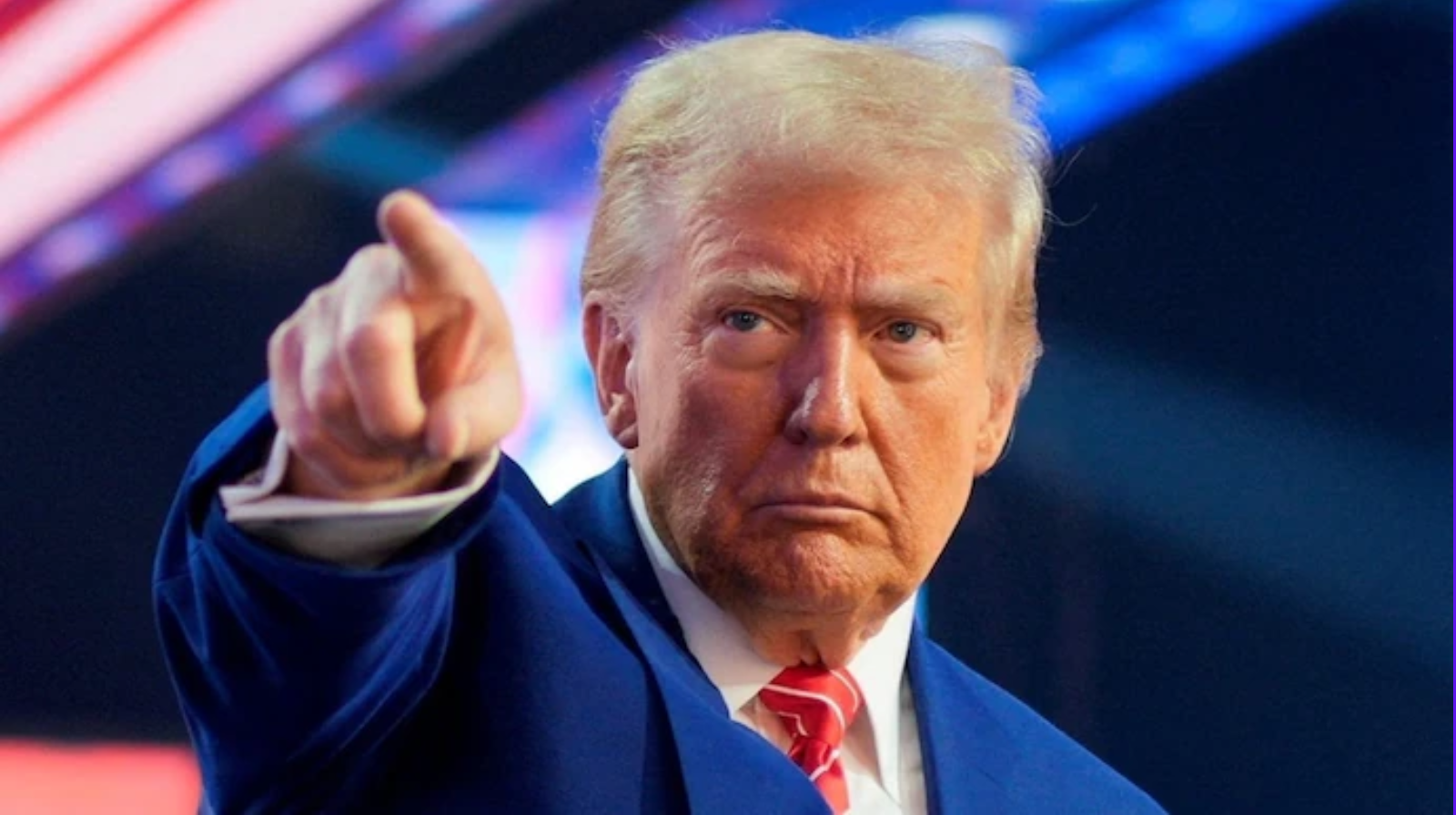
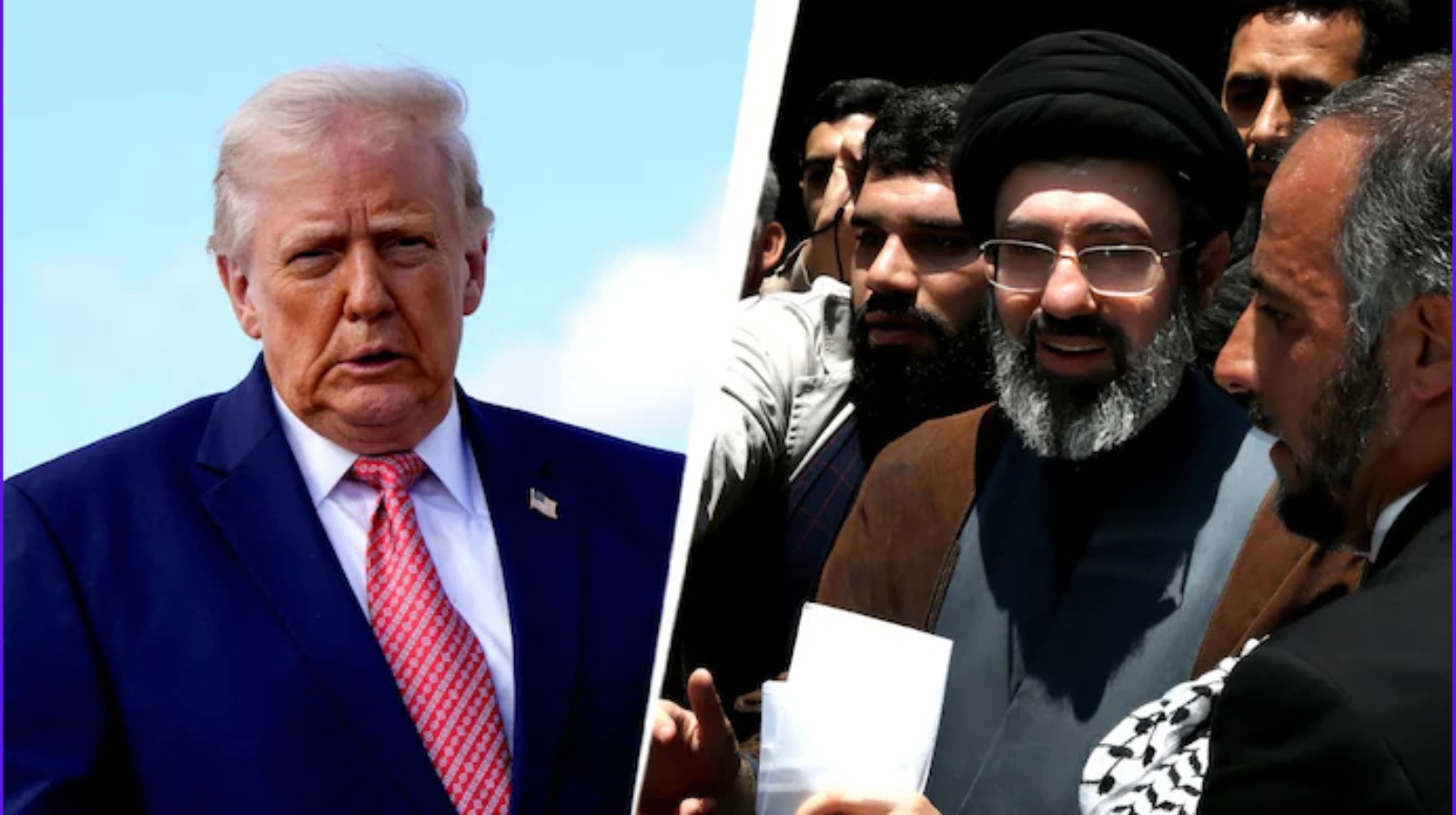
President Trump has signaled that a comprehensive settlement could be imminent, characterizing the Iranian leadership as “much more reasonable” following recent high-impact U.S. strikes.
- The U.S. Proposal: Washington has reportedly tabled a 15-point plan centered on the permanent reopening of the Strait of Hormuz and the implementation of aggressive new nuclear curbs.
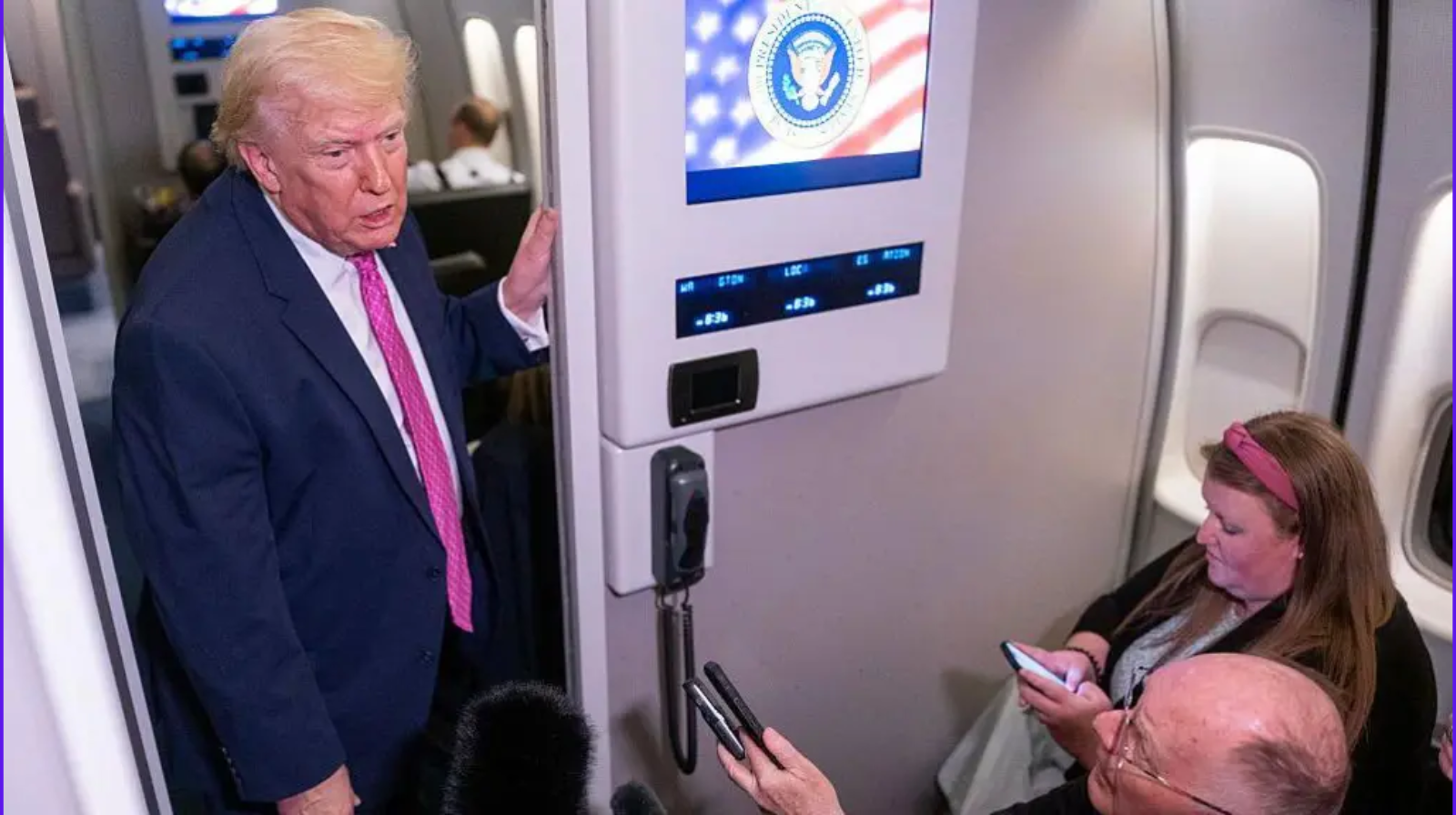
- A “De Facto” Regime Change: Trump told reporters aboard Air Force One that the loss of key Iranian commanders effectively constitutes a “regime change,” regardless of the official government status in Tehran.
- The April 6 Deadline: To facilitate these talks, the President has extended a pause on strikes against Iranian energy infrastructure until April 6, 2026. Tehran, however, has officially rejected the U.S. terms, offering a more limited 5-point counter-proposal.
The Military Reality: Preparing to “Take the Oil”
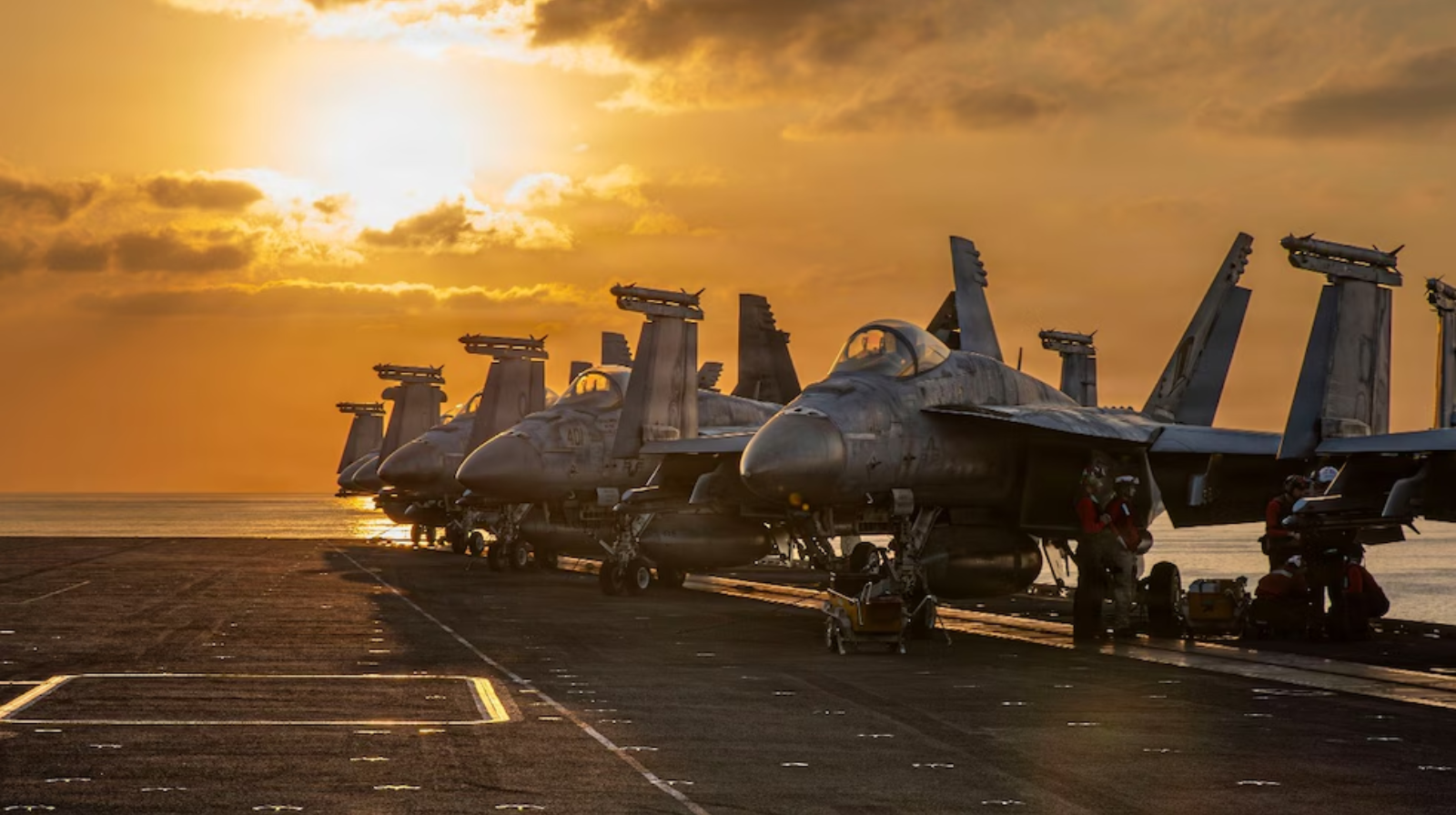
- Troop Surges: Approximately 5,000 Marines are currently positioned in the theater, with an additional 10,000 troops—including elements of the 82nd Airborne Division—on high alert or arriving in the region.
- The Kharg Island Objective: Military planners are focused on a potential seizure of Kharg Island, the terminal through which 90% of Iran’s oil exports flow. Trump has simplified the strategic goal as “taking the oil” to sever Iran’s economic lifeline.
- Defined Scope: Officials emphasize that any ground action would consist of “weeks-long” targeted raids by special operations and conventional infantry rather than a total invasion. The primary objectives are the destruction of coastal missile sites and the recovery of enriched uranium.
Global Economic Fallout
The continued volatility has sent global oil prices soaring past $117 per barrel, triggering economic anxiety across Europe and Asia. Regional powers, including Saudi Arabia, Turkey, and Pakistan, are working frantically to broker a de-escalation before the Strait—which Trump has colloquially dubbed the “Strait of Trump”—is permanently disrupted.