Doubts Cloud Iran’s Participation in Pakistan Peace Talks

By Katie Williams

Published on:

Doubts Cloud Iran’s Participation in Pakistan Peace Talks

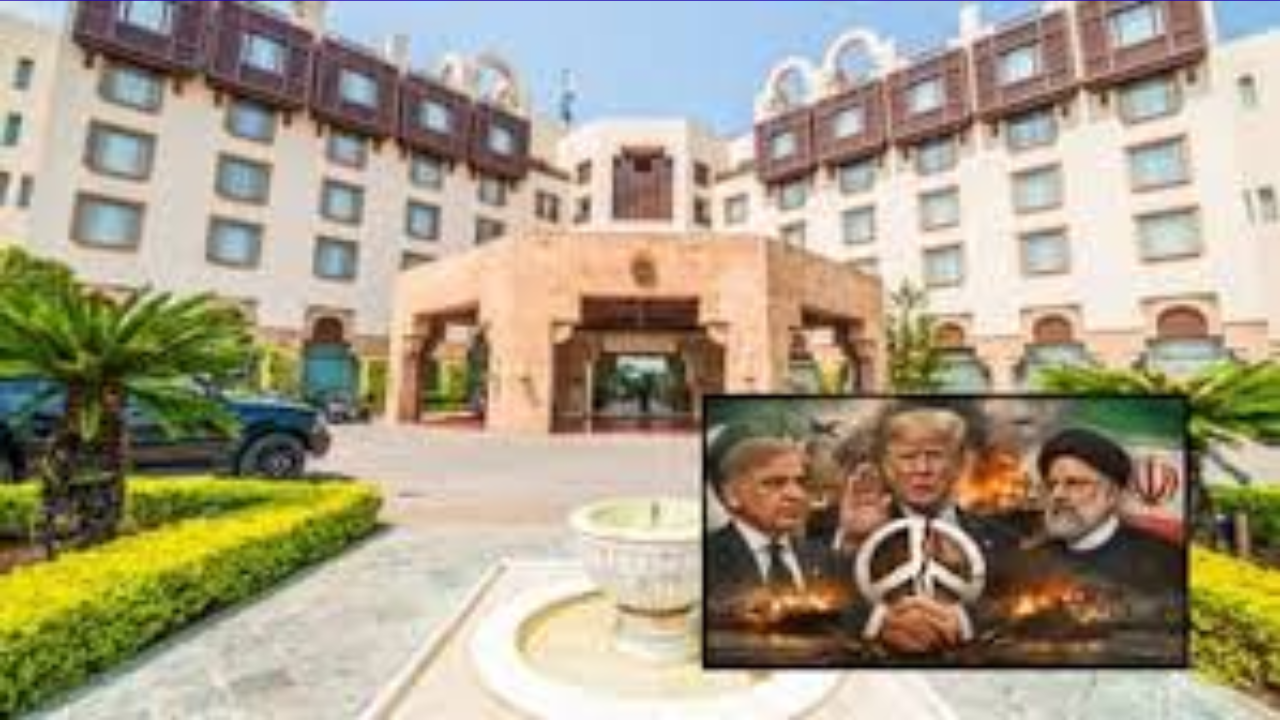
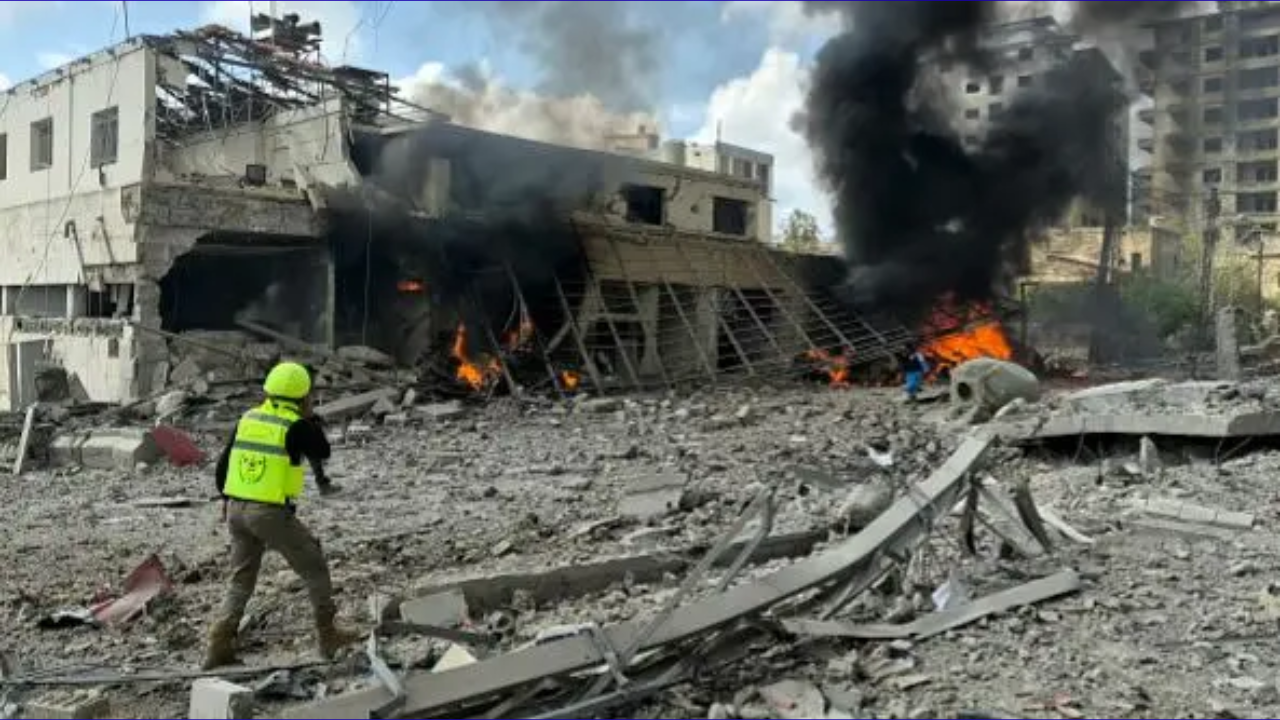
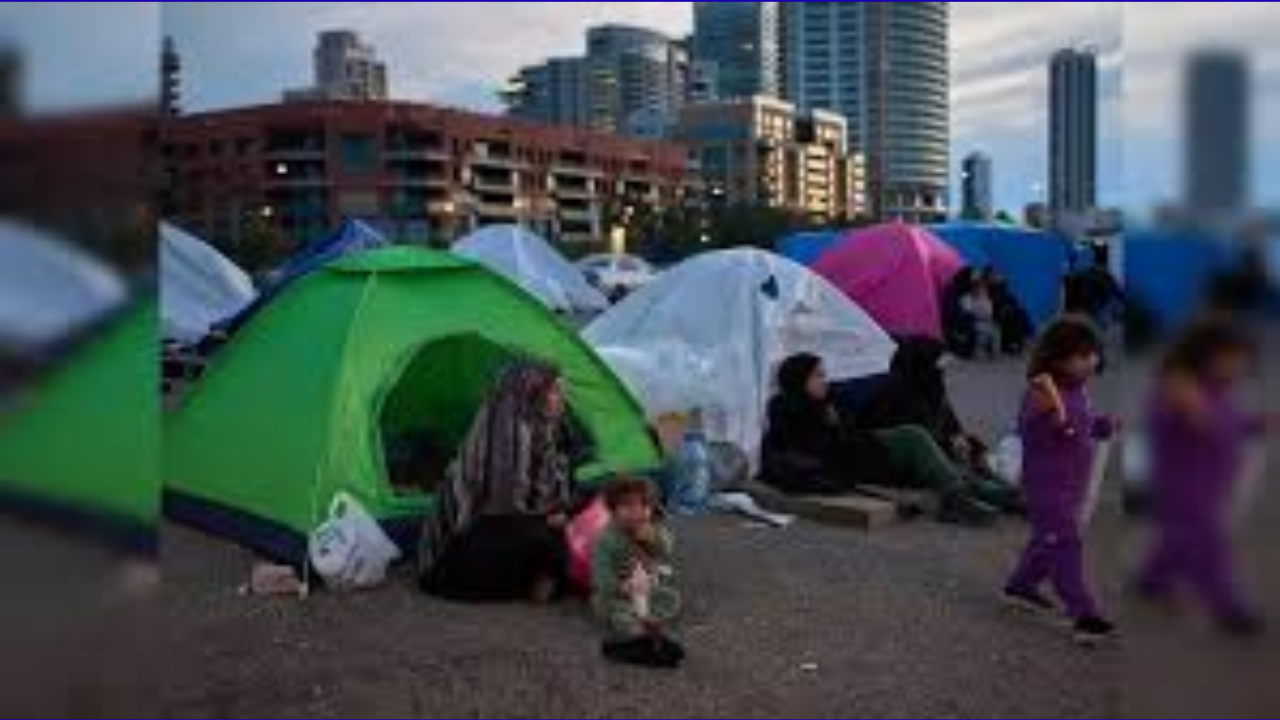
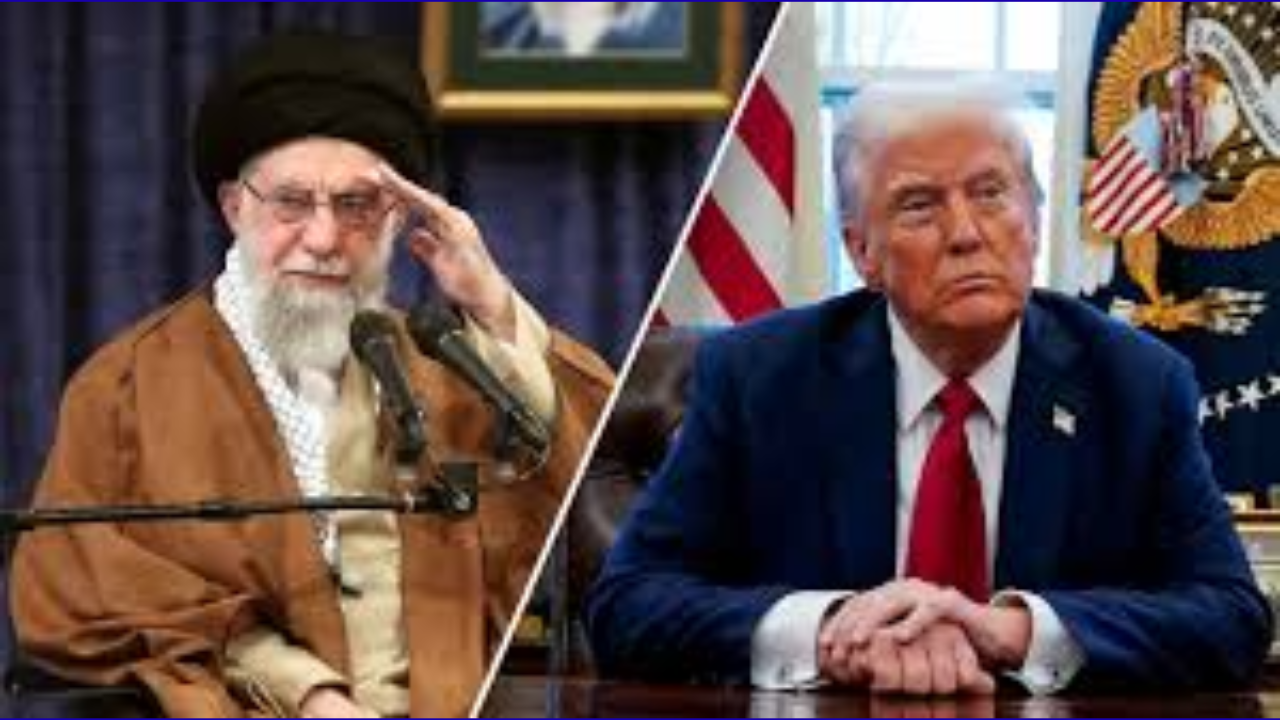
As the diplomatic summit in Islamabad approaches, Tehran’s participation remains uncertain due to two major preconditions. Iran is signaling to its regional allies and proxies that it remains a committed partner, insisting that any ceasefire framework must include Lebanon and a complete cessation of Israeli attacks on Hezbollah.

Thank you for reading this post, don't forget to subscribe!

This rigid stance was recently reinforced by Mohammad Bagher Qalibaf, the Parliament Speaker and a veteran figure within the Islamic Revolutionary Guard Corps (IRGC). Qalibaf has been tapped to lead Iran’s negotiation team, a choice confirmed by Deputy Chairman Mahmoud Nabavian that underscores the IRGC’s influence over the process.

The Two Non-Negotiable Demands

In a recent public statement, Qalibaf outlined two primary hurdles that must be cleared before formal talks can commence:

  1. A Comprehensive Ceasefire: Iran demands that Lebanon be explicitly protected under the peace deal.
  2. Asset Liquidity: Tehran is calling for the immediate release of its blocked assets abroad.

A Diplomatic Stalemate?

The path to a resolution is steep. The United States has historically resisted releasing frozen assets as a “pre-condition,” viewing such moves as lost leverage rather than a gesture of good faith.

By leading with these high-stakes demands, Tehran may be employing a dual strategy: projecting domestic and regional strength while establishing a maximalist position to provide room for future concessions. However, if neither side budges on the issue of assets or the scope of the ceasefire, the Islamabad talks may stall before they even begin.

Do you think Iran is truly prepared to walk away if these demands aren’t met, or is this simply a tactical play to see how much the U.S. is willing to concede?