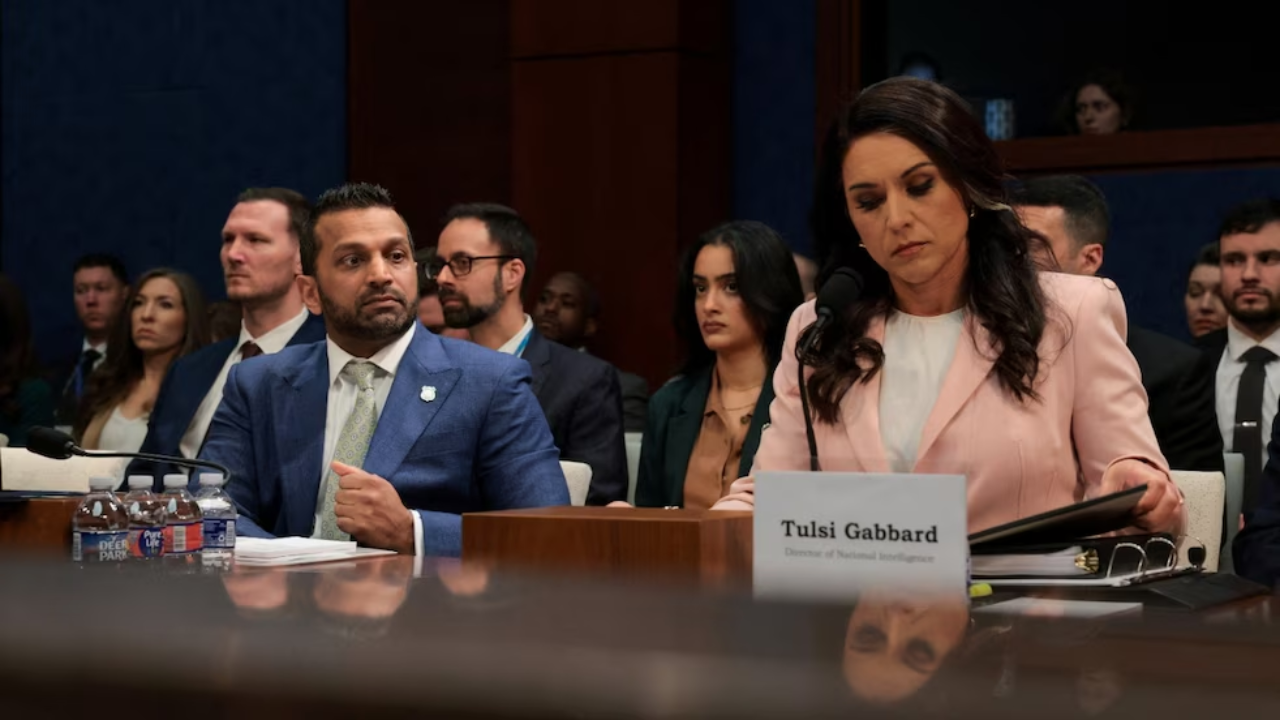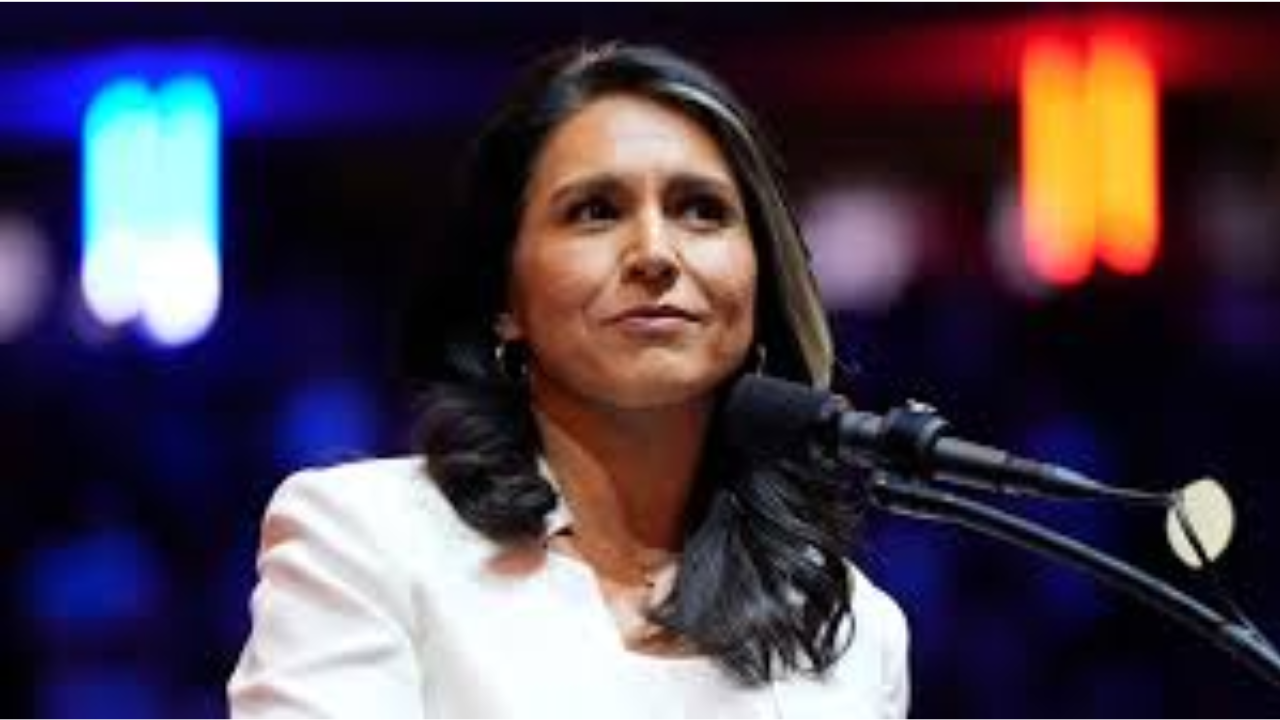
Director of National Intelligence Tulsi Gabbard has sparked a national debate following a series of public remarks warning that “Islamist ideology” is fundamentally at odds with the United States’ foundational principles of liberty and democracy.
Thank you for reading this post, don't forget to subscribe!The Core Argument: Ideology vs. Faith
In recent discussions widely circulated on social media, Gabbard emphasized a distinction between the Islamic religion and “Islamism,” which she defines as a radical political doctrine. According to Gabbard, while the U.S. protects religious freedom, Islamism represents a political system that seeks to override individual rights.
“When we talk about the threat of Islamism, there is no such thing as individual freedom or liberty,” Gabbard stated. “It is fundamentally incompatible with our nation’s foundation of freedom.”
Allegations of Domestic Influence
Gabbard highlighted specific American cities as evidence that this ideology is moving from a theoretical threat to a domestic reality. She specifically cited:
- Paterson, New Jersey: Describing it as an area where “Islamic principles” are being integrated into local legal and political frameworks.
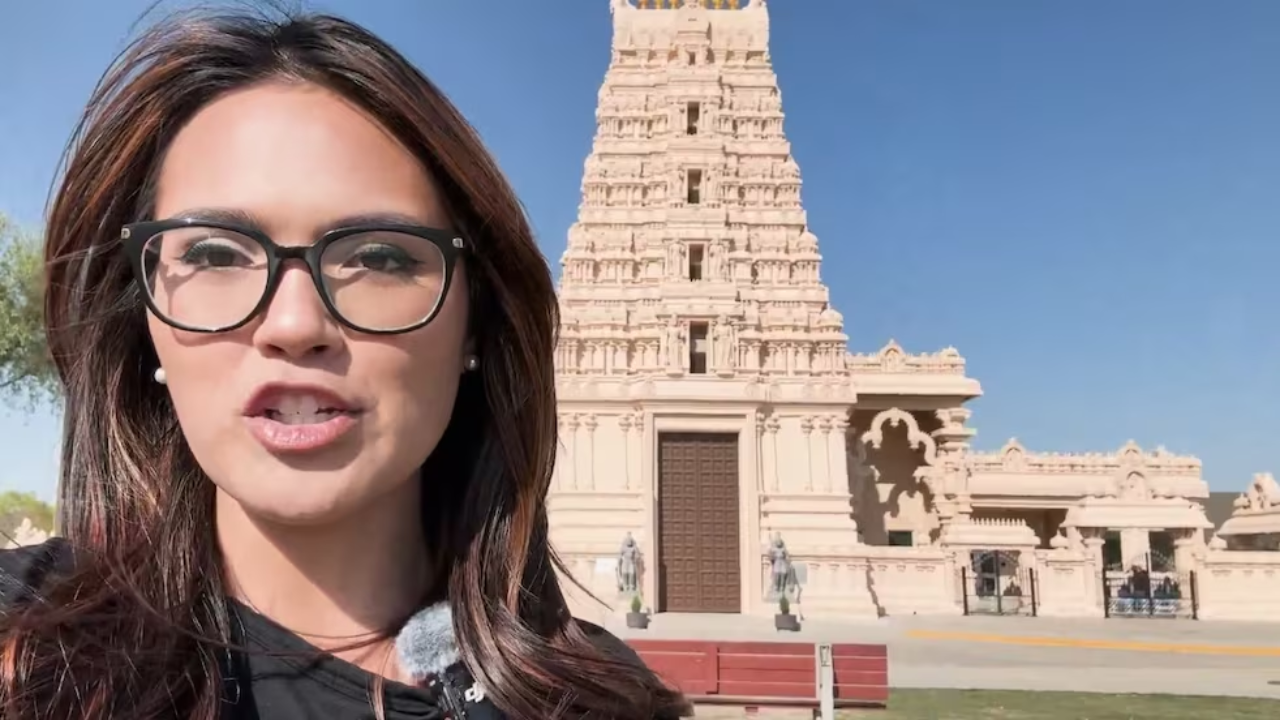
- Houston, Texas: Claiming that similar trends of implementing religious-based legal principles are currently underway.
She warned that these developments are not “possible future events” but are “already happening” within U.S. borders.
Freedom: Inherent vs. State-Granted
A central pillar of Gabbard’s critique is the origin of human rights. She argues that the American system relies on the belief that freedom is inherent and God-given, whereas Islamist ideology views the state or a religious hierarchy as the grantor of rights. By denying the inherent nature of freedom, Gabbard argues, the ideology poses a direct threat to the constitutional order.
Polarized Reactions
Gabbard’s statements have drawn a sharp divide in public opinion:
| Perspective | Common Arguments |
| Supporters | Praise her for addressing national security concerns and defending constitutional values against political extremism. |
| Critics | Accuse her of using “sweeping generalizations” that risk stigmatizing the American Muslim community and fueling Islamophobia. |
Gabbard has consistently defended her position by stating that her focus is exclusively on extremism and political Islam, rather than the private faith of individual Muslims.