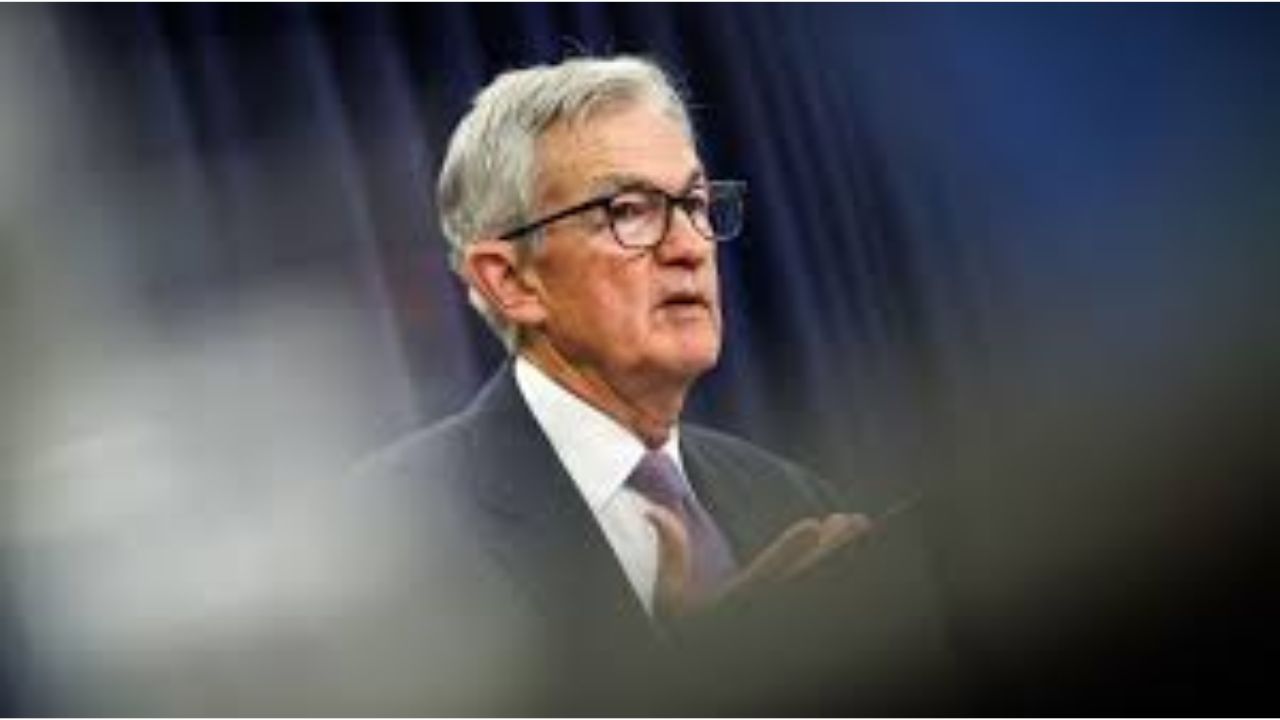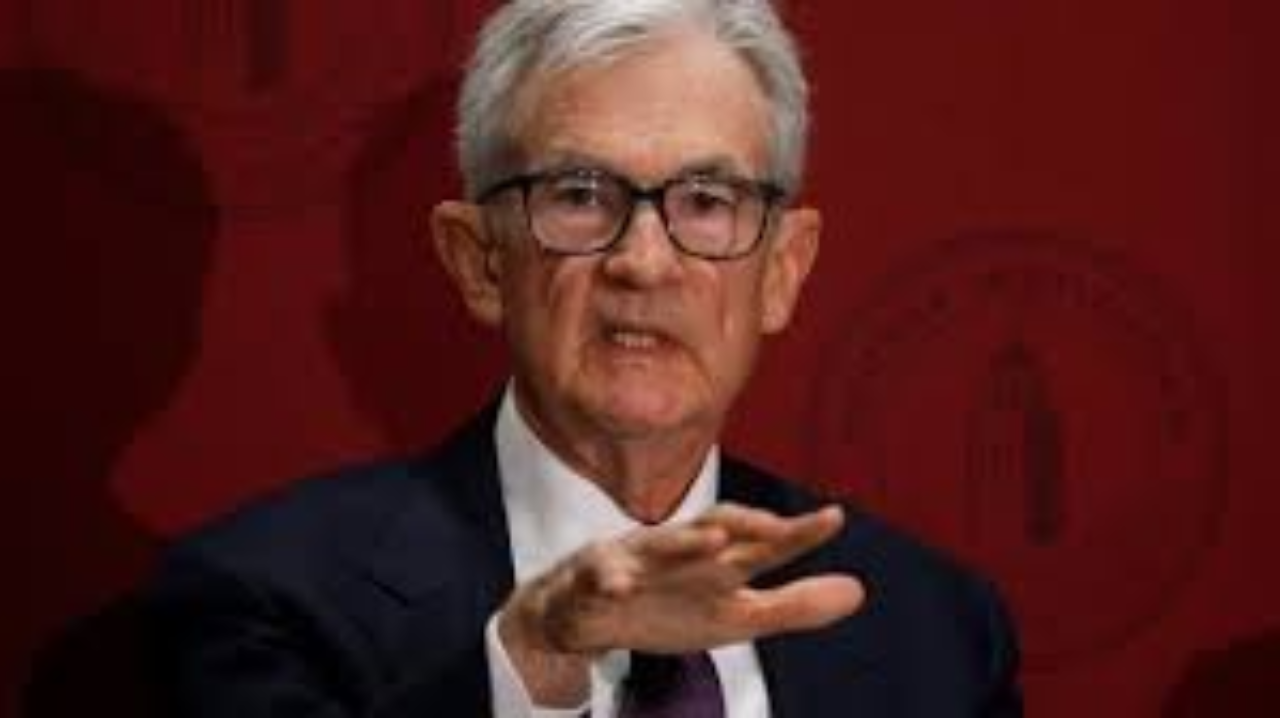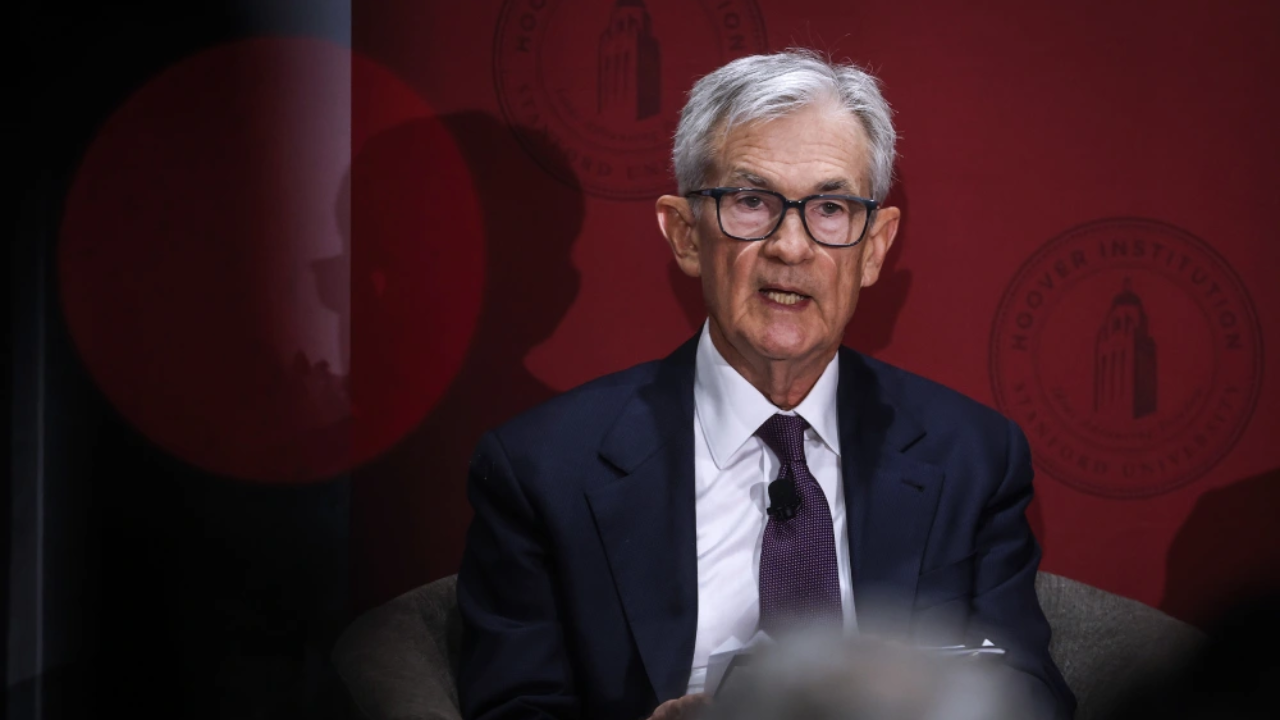
The Federal Reserve proceeded with another reduction in borrowing costs on Wednesday, though the decision was characterized by deep disagreements among members of the central bank’s influential rate-setting committee.
This interest rate decision marks one of the Fed’s most contentious calls since September 2024, stemming from a fundamental divide over which part of its dual mandate—maximum employment or price stability—to prioritize.
The Policy Dilemma
- Doves (Pro-Cut): Citing unusually weak job growth this year, several officials argue that continued rate cuts are necessary to prevent a further deterioration of the labor market. New York Fed President John Williams, serving in a key role, stated that “downside risks to employment have increased” while inflation risks have “lessened somewhat.” This viewpoint is supported by September’s jobs report, which, despite showing job growth, also recorded a higher unemployment rate, indicating a weakening trend where Americans are taking longer to find new work. Governors Christopher Waller, Michelle Bowman, and Stephen Miran have also advocated for cuts, with Miran pushing for more aggressive action, arguing, “I don’t feel as confident we can get ahead of it [the labor market].”
- Hawks (Pro-Hold): Other policymakers warn that the greater threat is inflation remaining persistently above the Fed’s 2% target, especially with the potential impact of President Donald Trump’s widespread tariffs.
The consensus “middle ground,” as anticipated by experts like Angelo Kourkafas of Edward Jones, was to deliver the market-expected rate cut while issuing a more cautious outlook for future policy. The officials will release their updated economic projections, known as the “dot plot,” which is expected to signal just two additional rate cuts for the following year (2026).
Political and Data Context
- Fed Chair Succession: It is the final meeting for Chair Jerome Powell before his successor is named. Powell’s term concludes in May, and President Trump confirmed he knows who he will nominate to lead the Fed, planning to make the announcement “early next year.”
- Missing Economic Data: A recent government shutdown delayed the release of crucial employment and inflation figures for October and November. The lack of this key data has made the current policy debate even more challenging.
Following a speech by New York Fed President Williams on November 21, investors rapidly adjusted their expectations for a December rate cut, with bets spiking from 40% to approximately 70%, reflecting the strong influence of officials leaning toward easing policy.