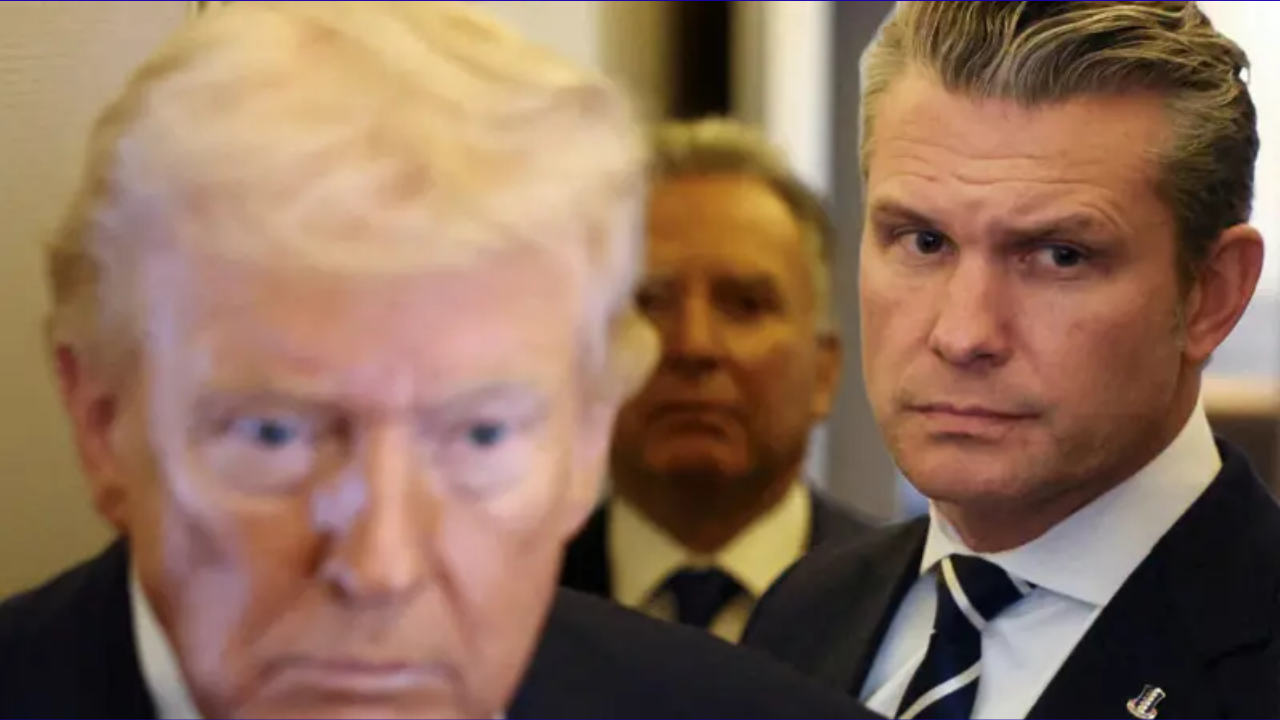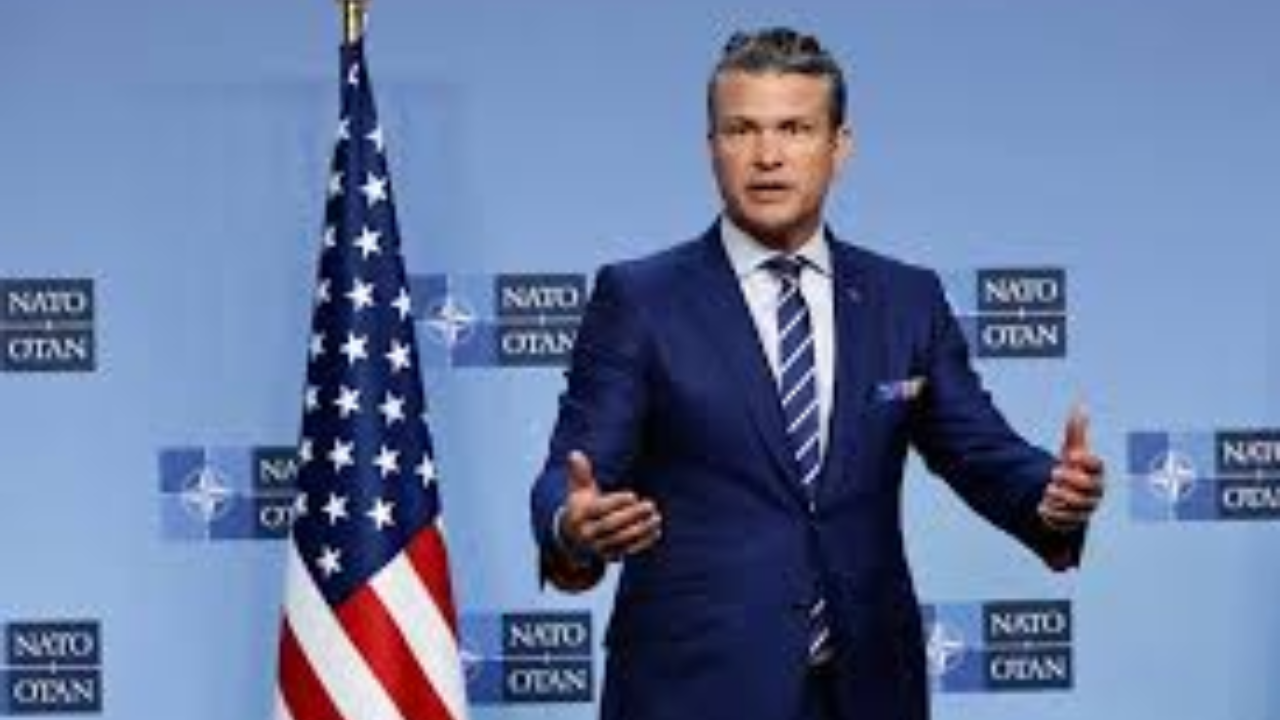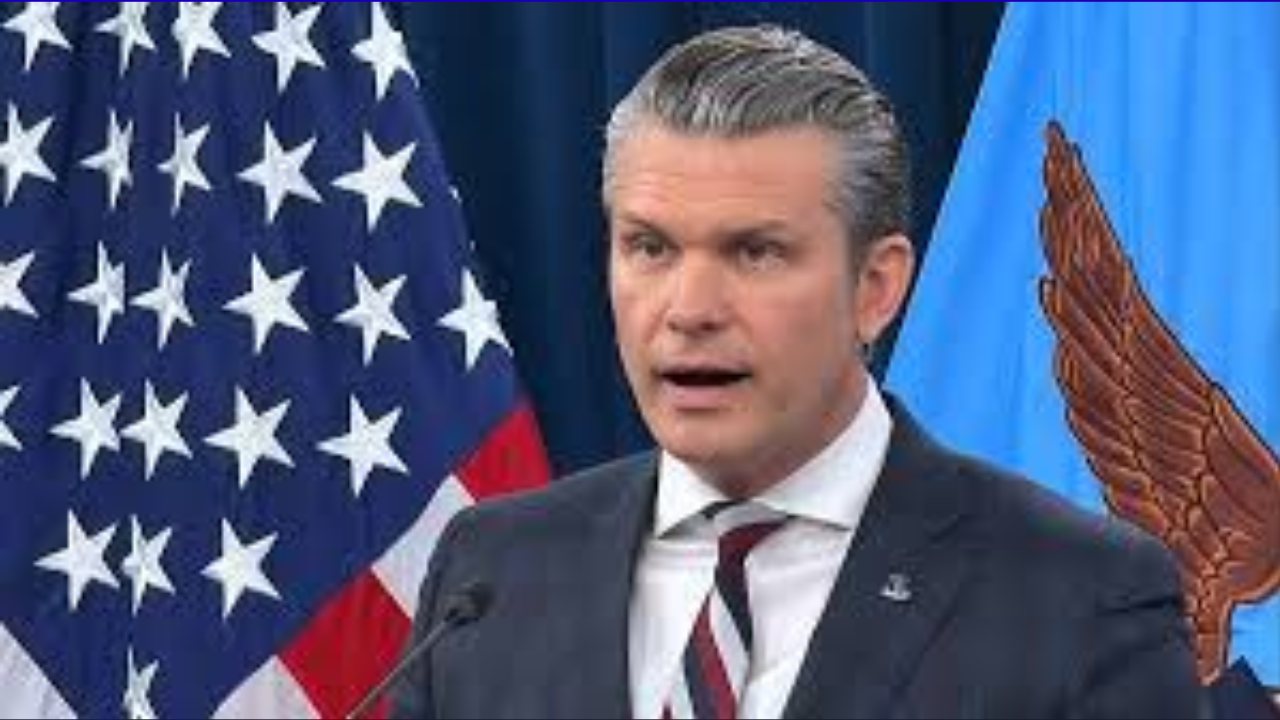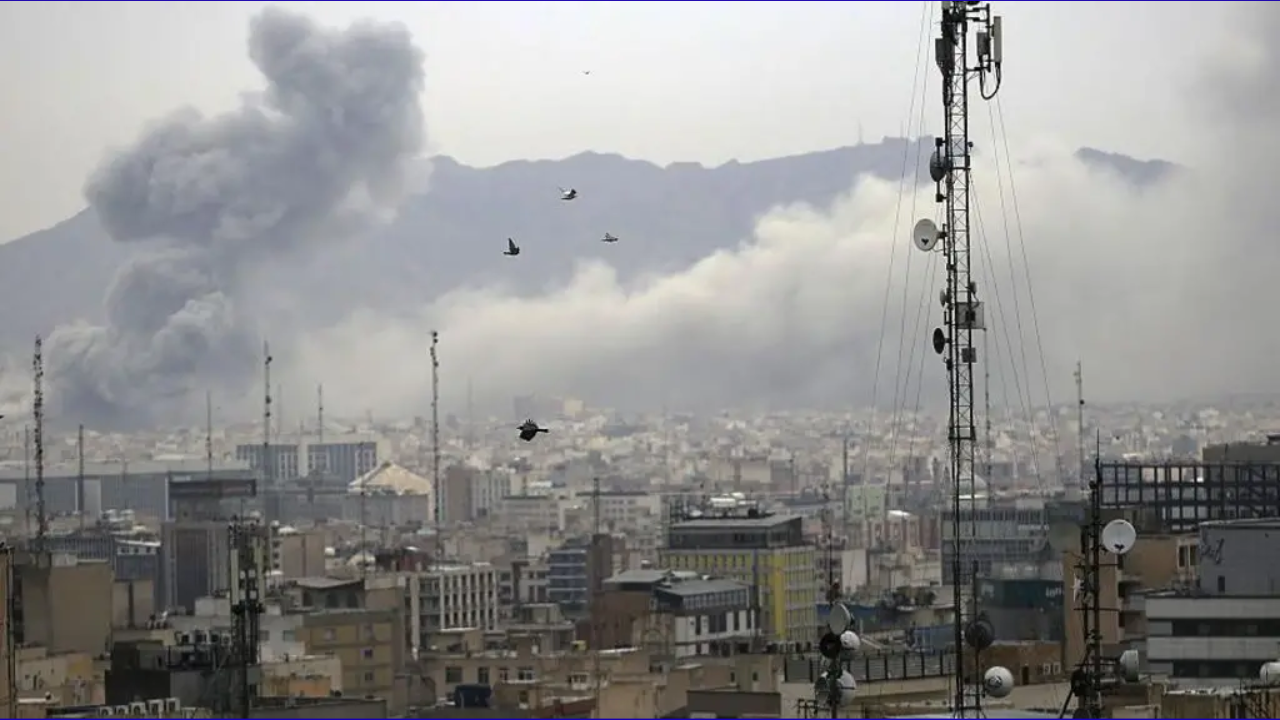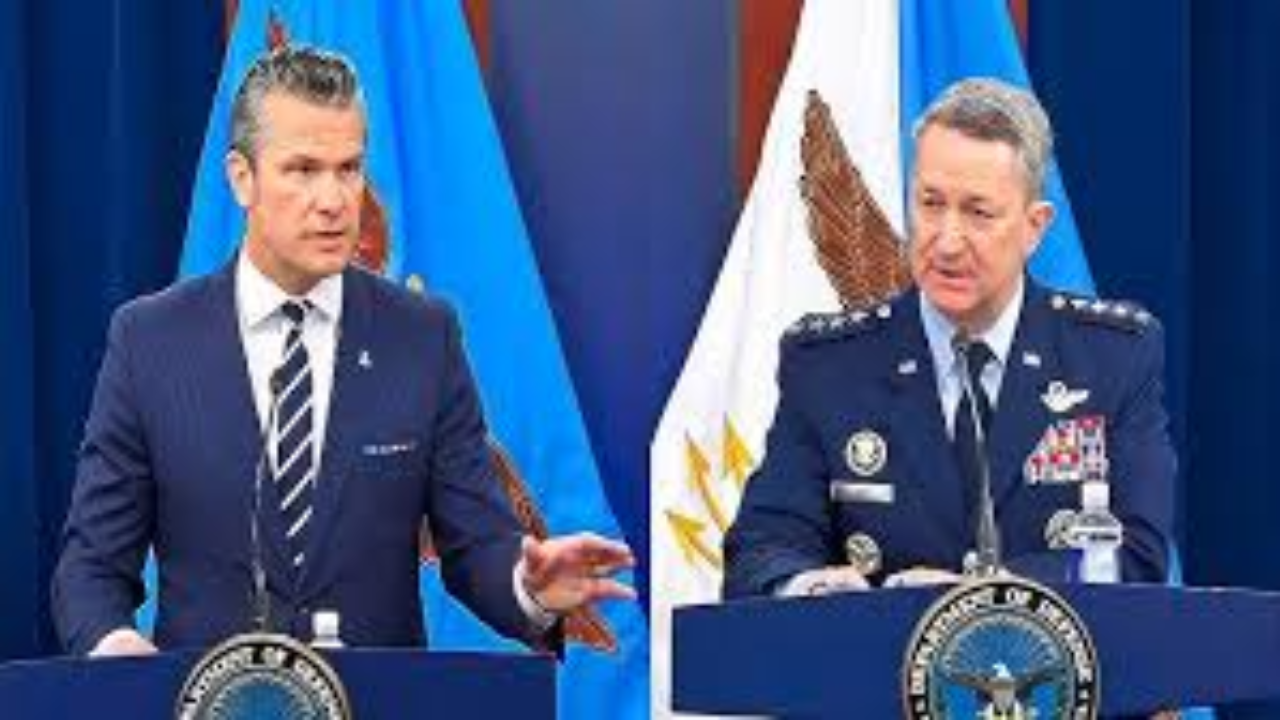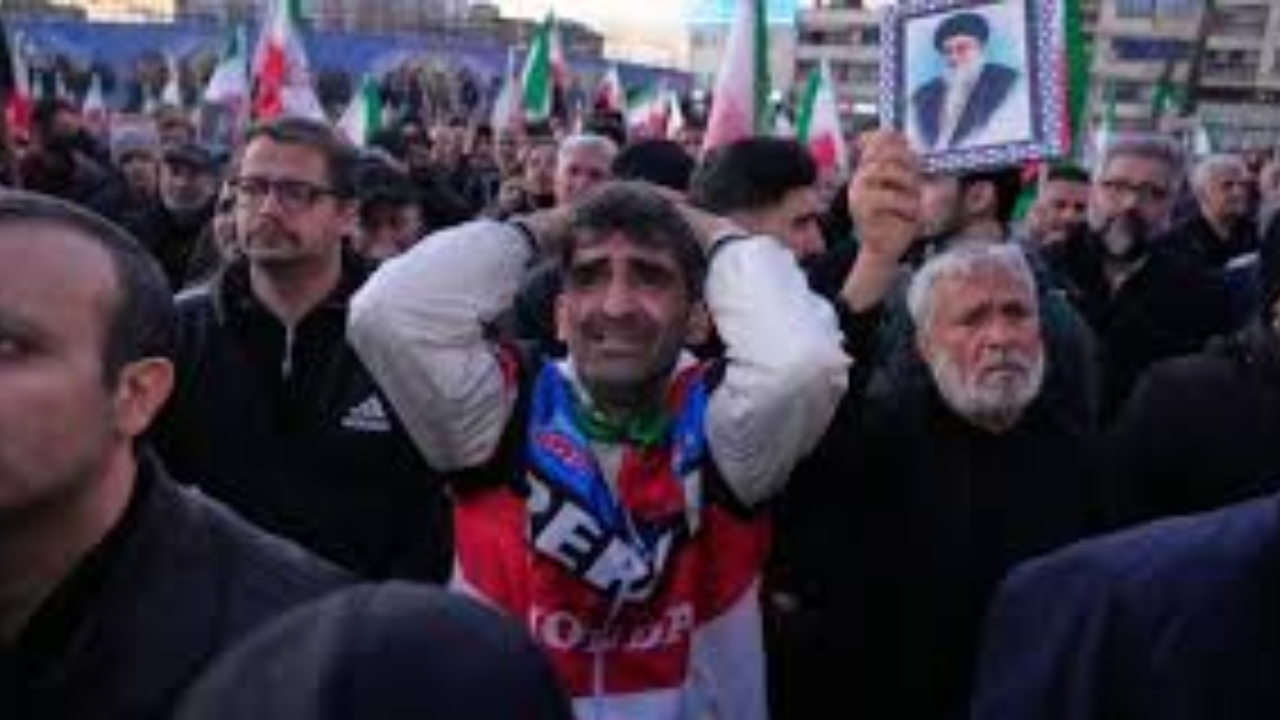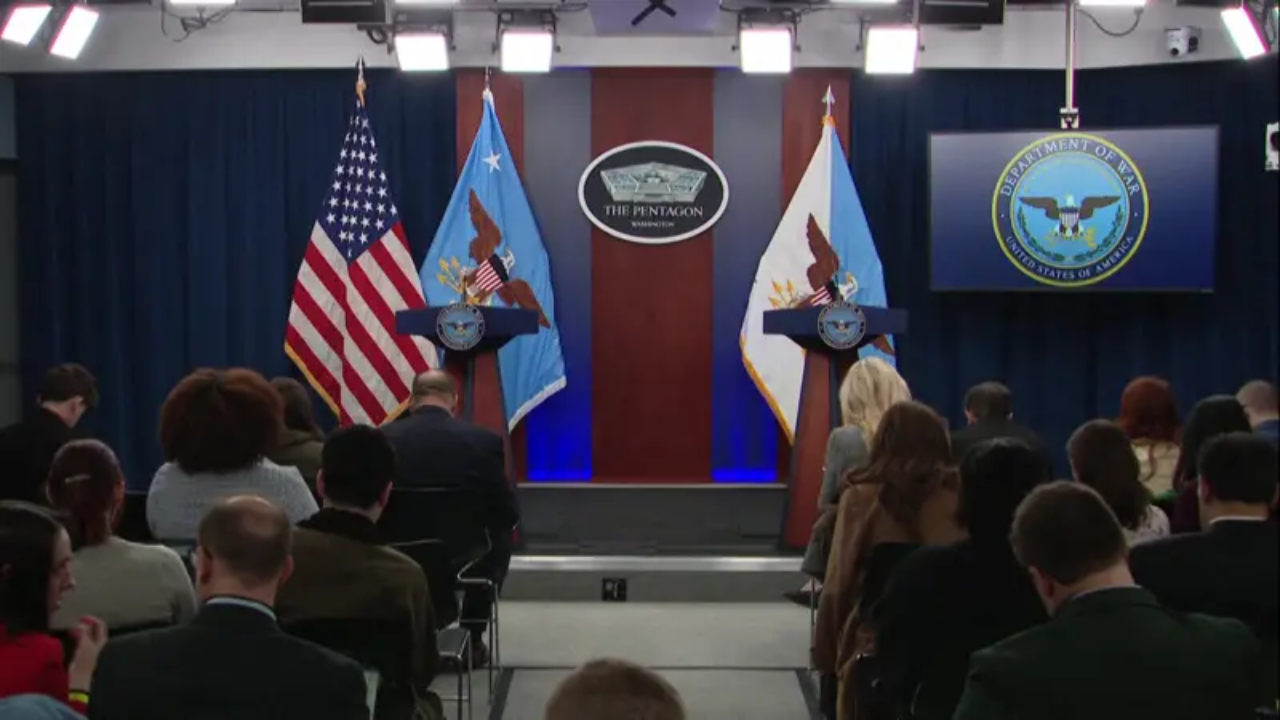
The briefing room is nearing capacity as a restless press corps awaits the arrival of Defense Secretary Pete Hegseth and the Chairman of the Joint Chiefs, General Dan Caine. The air is heavy with the gravity of a two-front crisis that is testing the Trump administration’s “Peace Through Strength” doctrine in real-time.
Thank you for reading this post, don't forget to subscribe!1. The Iraq Crash: A Somber Update
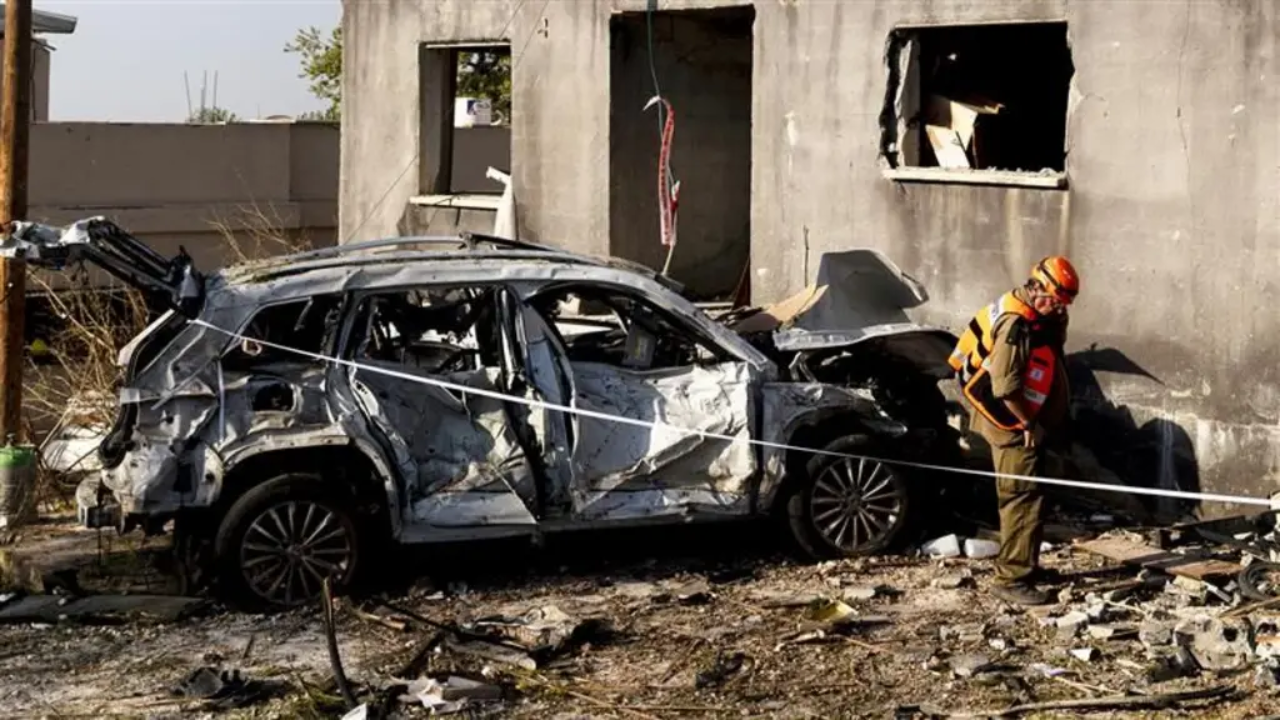
The primary focus remains the tragedy in western Iraq. Following the news that broke last night, officials have confirmed that a U.S. military refueling plane went down under circumstances that remain murky.
- The Human Cost: Four of the six crew members are confirmed dead.
- The Mission: The aircraft was a critical link in the regional logistics chain, and the briefing is expected to clarify whether the crash was a mechanical failure or the result of a hostile strike—a distinction that could dictate the scale of the U.S. military’s next retaliatory move.
2. The Hormuz Stranglehold
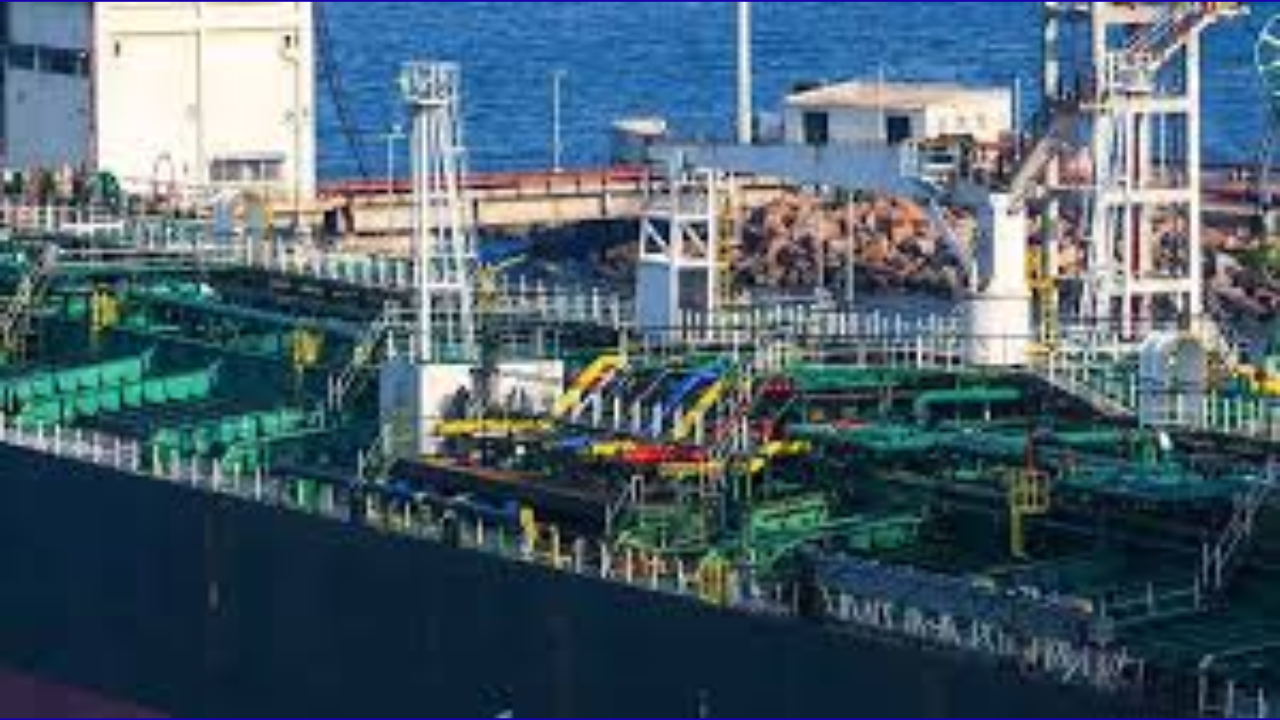
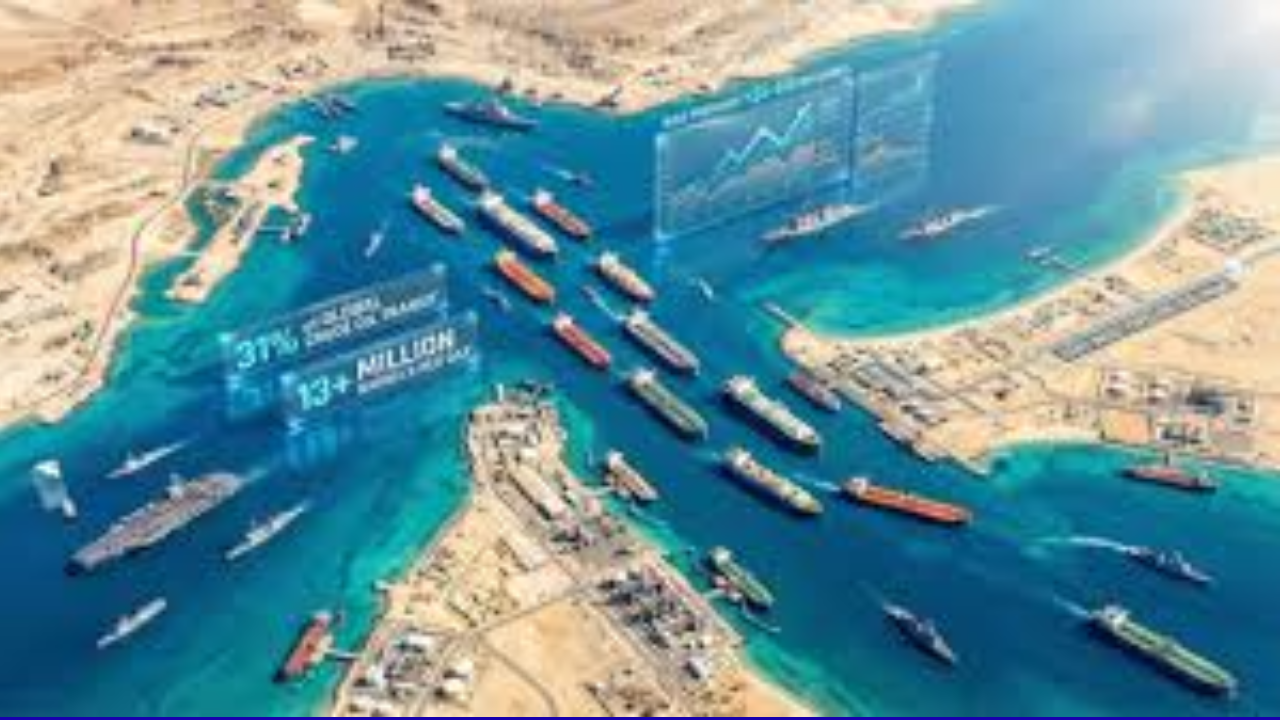
Beyond the immediate loss of life, the strategic focus is fixed on the Strait of Hormuz. Iran has effectively shuttered the world’s most vital oil artery, sending global energy markets into a tailspin and driving oil prices to levels that threaten the domestic economy.
3. The Escort Gamble
Hegseth and Caine face a pivotal decision: Naval Escorts. * The Stance: The administration has signaled it is not yet prepared to deploy the Navy to shepherd tankers through the Strait.
- The Risk: Transitioning to an escort model is a “high-stakes” maneuver. It places American sailors in a narrow, high-threat corridor with no guarantee of safety or success, and it risks a direct kinetic escalation with Tehran.
What to Watch For:
- The Tone: Will Hegseth lean into the “warrior” rhetoric he is known for, or will Caine provide a more sober, tactical assessment of the risks?
- The Timeline: Any hint of a date for when naval escorts might begin will be the headline that moves the markets today.