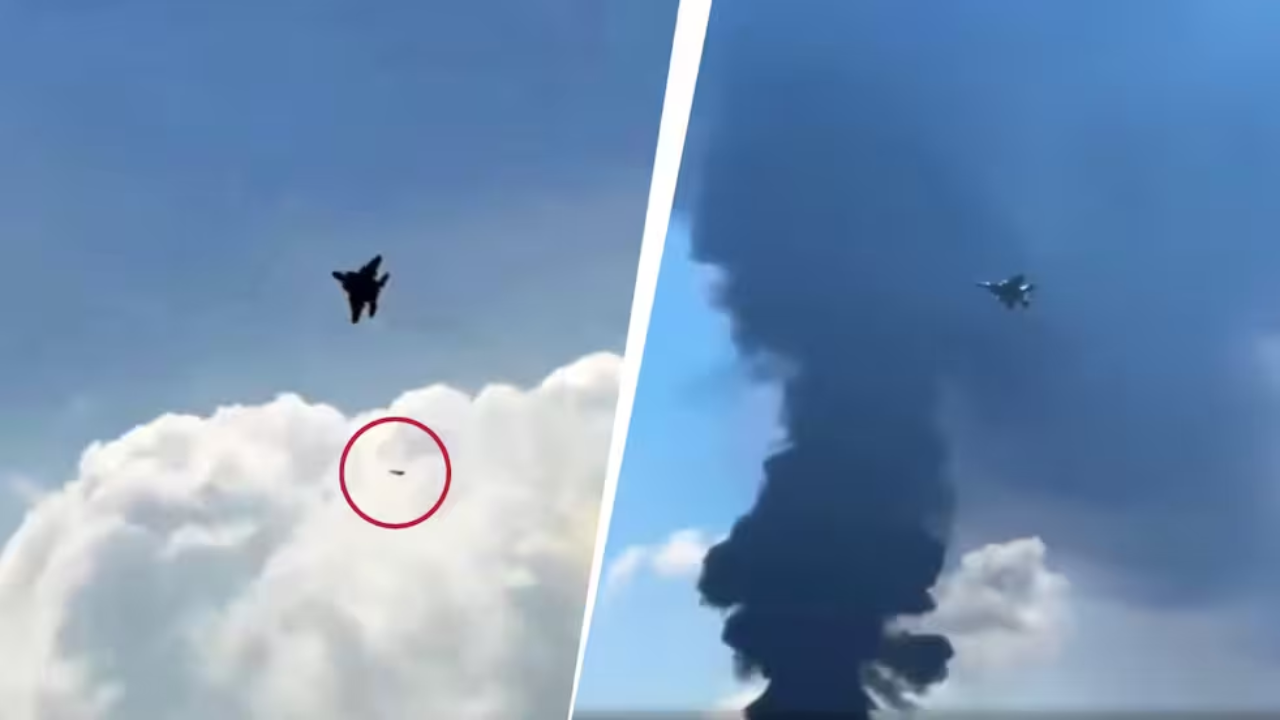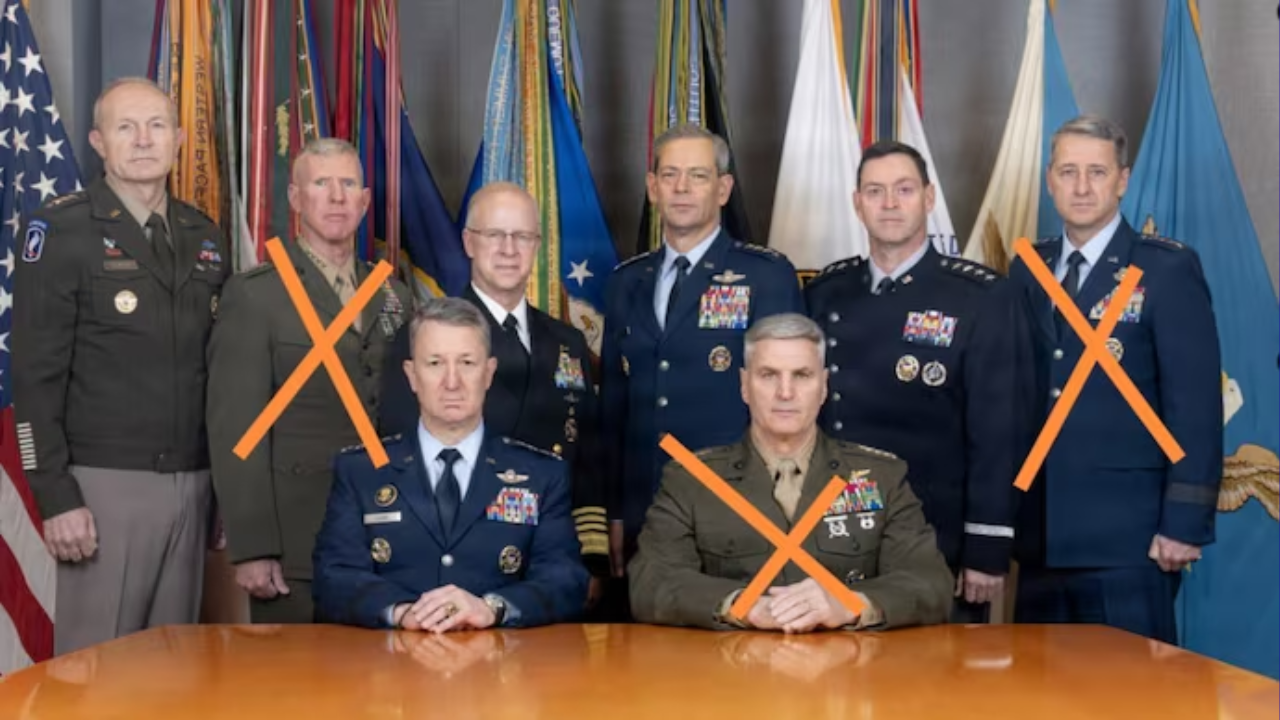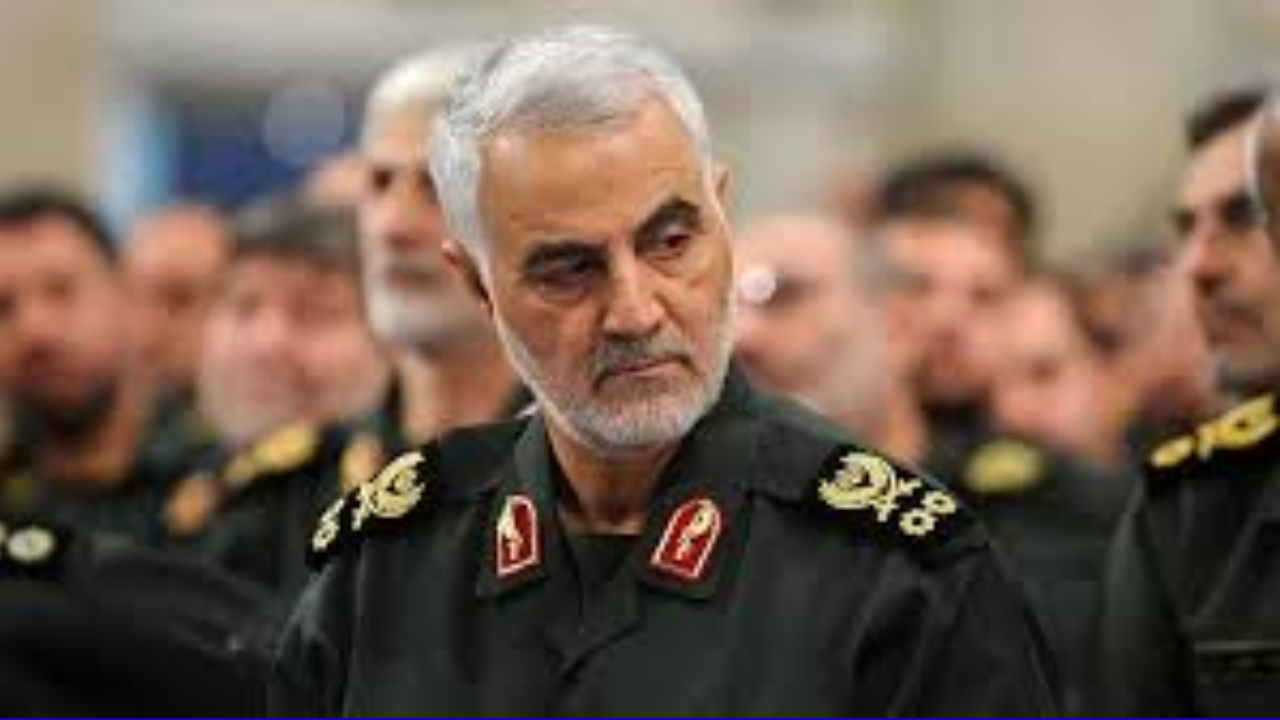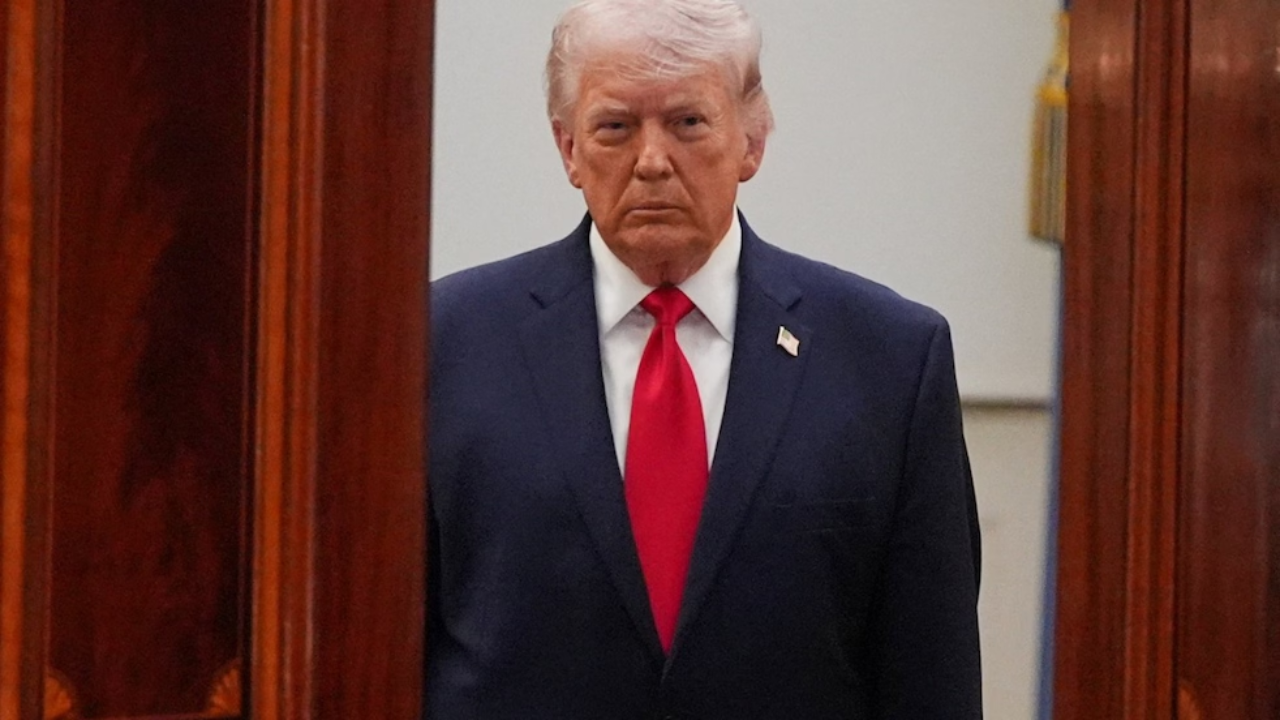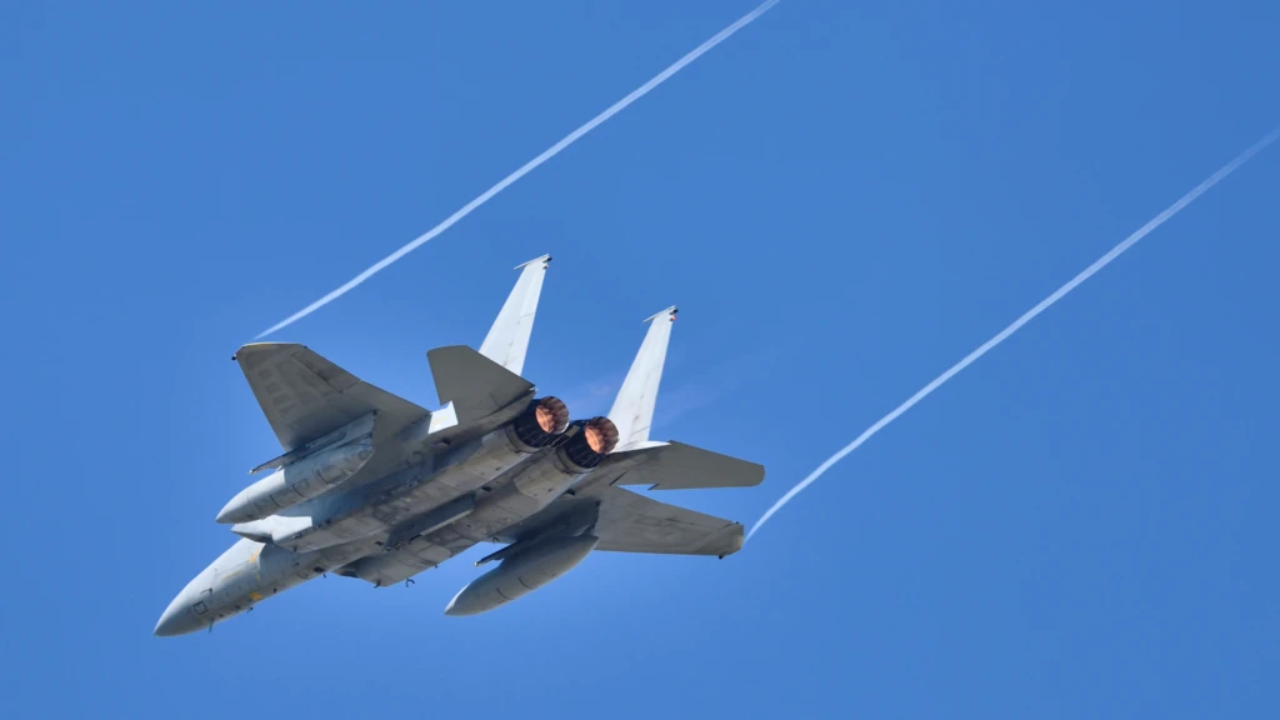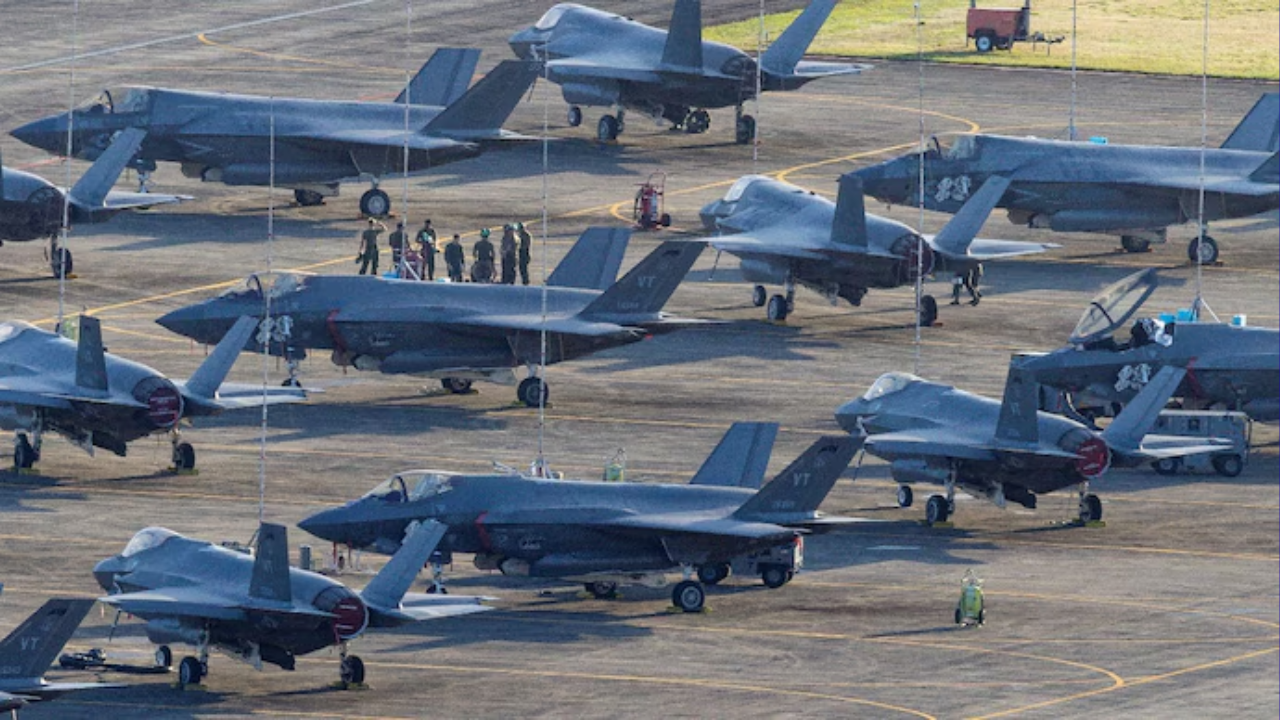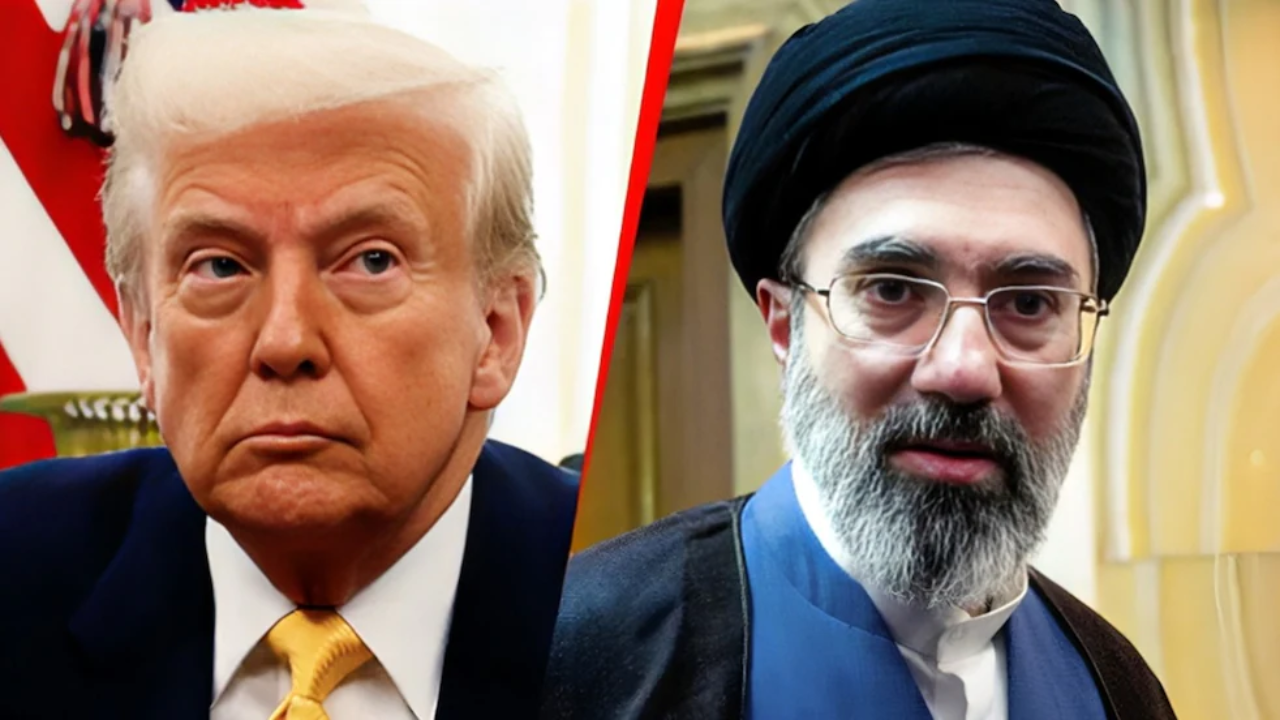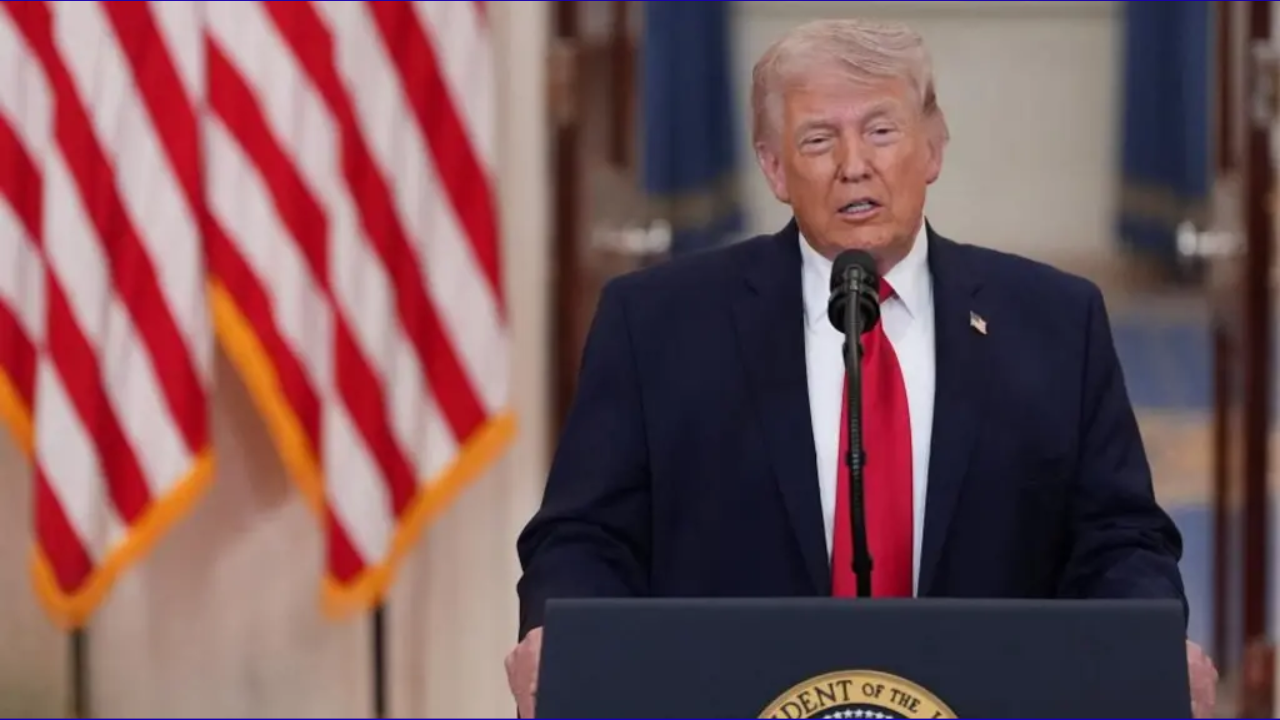
In a high-stakes mission described by President Trump as one of the most “daring” in American history, U.S. Special Operations successfully rescued a missing crew member on Sunday, April 5, 2026. The officer, a high-ranking Colonel and Weapons Systems Officer (WSO), had been evading capture in southwestern Iran since his F-15E Strike Eagle was shot down by Iranian air defenses two days prior.
Thank you for reading this post, don't forget to subscribe!The 48-Hour Survival
The aircraft’s pilot was recovered shortly after the crash on Friday, but the Colonel remained behind enemy lines. For 48 hours, he successfully eluded both Iranian regular forces and local militias who were actively scouring the region. Despite sustaining injuries during the ordeal, he was recovered in stable condition and is currently receiving medical treatment at a U.S. base in Kuwait.
Tactical Execution
The operation involved a massive mobilization of U.S. air power and ground elite:
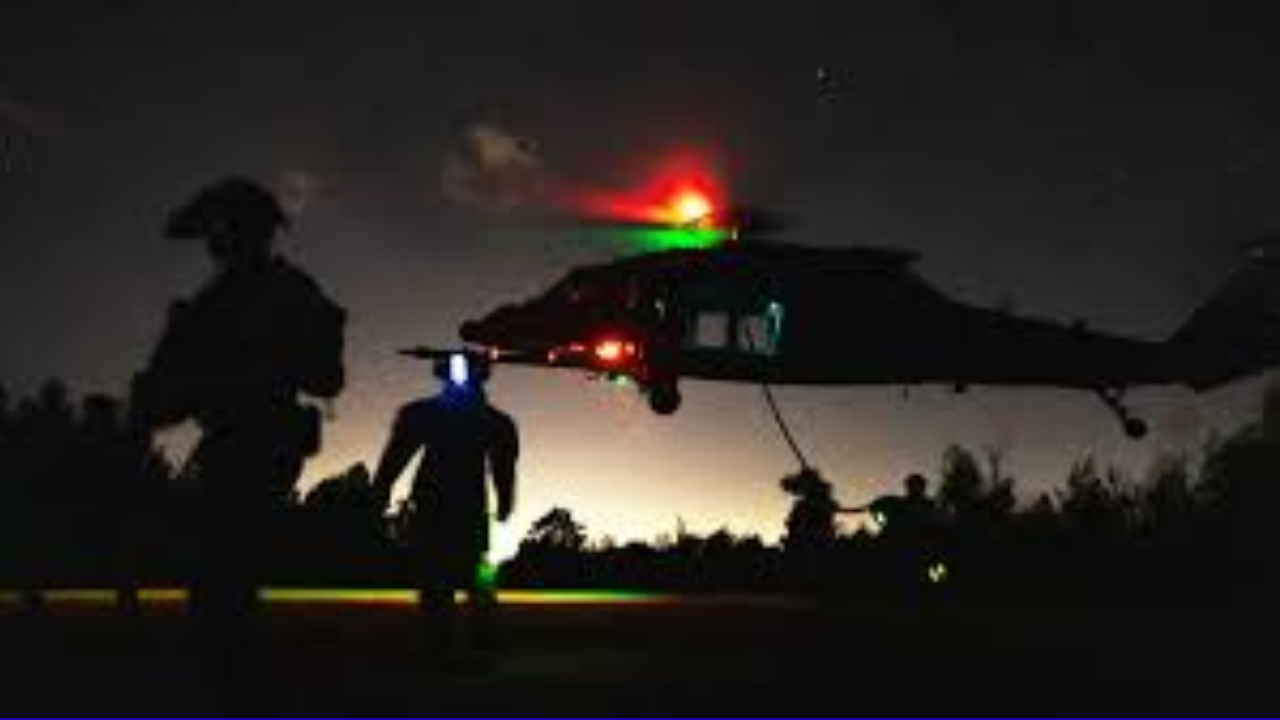
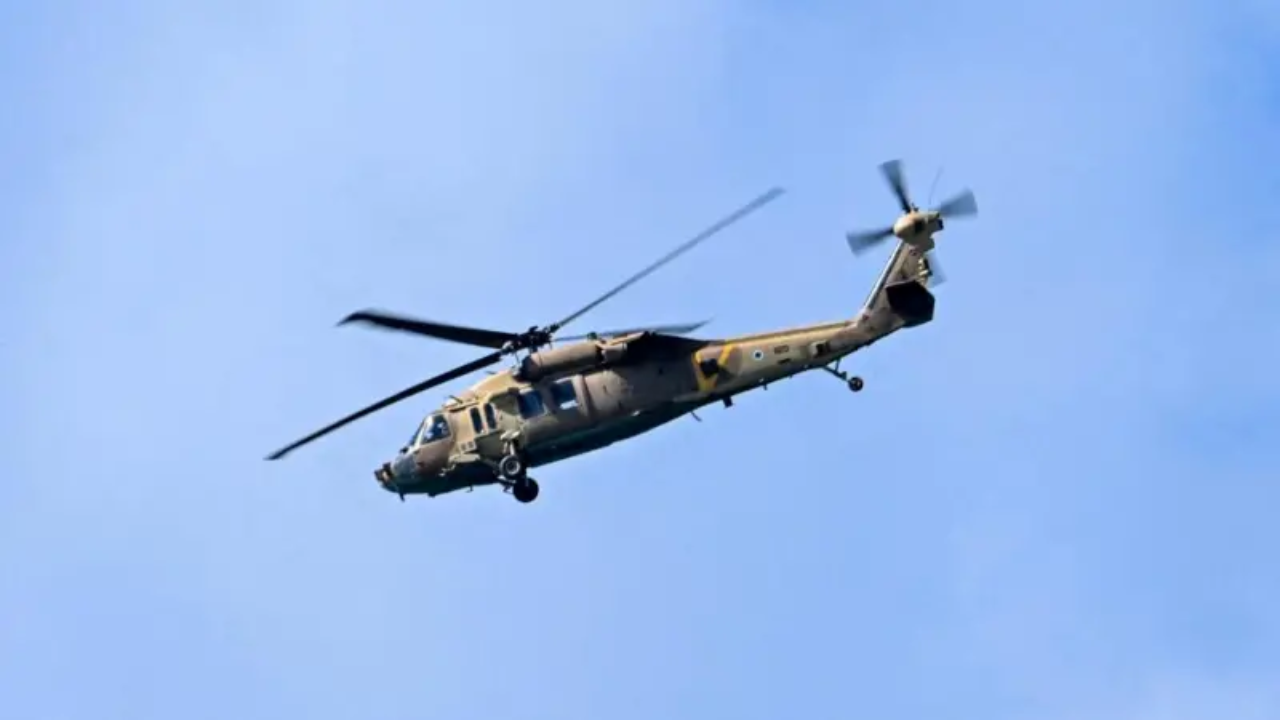
- Air Support: A-10 Thunderbolt IIs provided close air support while HC-130 tankers performed dangerous, low-level refueling missions to keep the rescue craft aloft.
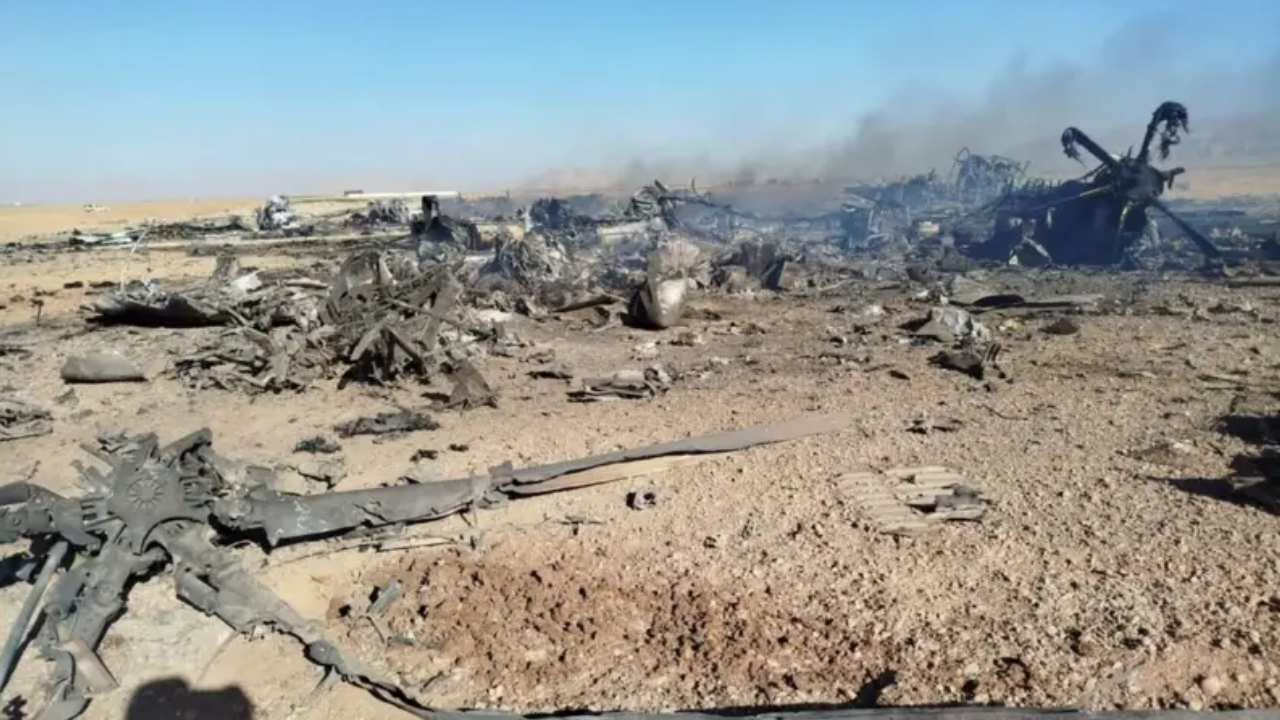
- Ground Action: Special Operations teams conducted the extraction under heavy fire. To ensure no sensitive equipment was captured, the team intentionally destroyed two U.S. transport planes that were unable to lift off from the remote extraction site.
- Casualties: While the A-10 pilot from Friday’s search was forced to eject over the Persian Gulf (and was safely recovered), the President confirmed there were no American fatalities during Sunday’s final extraction. Some helicopter crew members sustained minor injuries from small-arms fire.
Strategic Implications
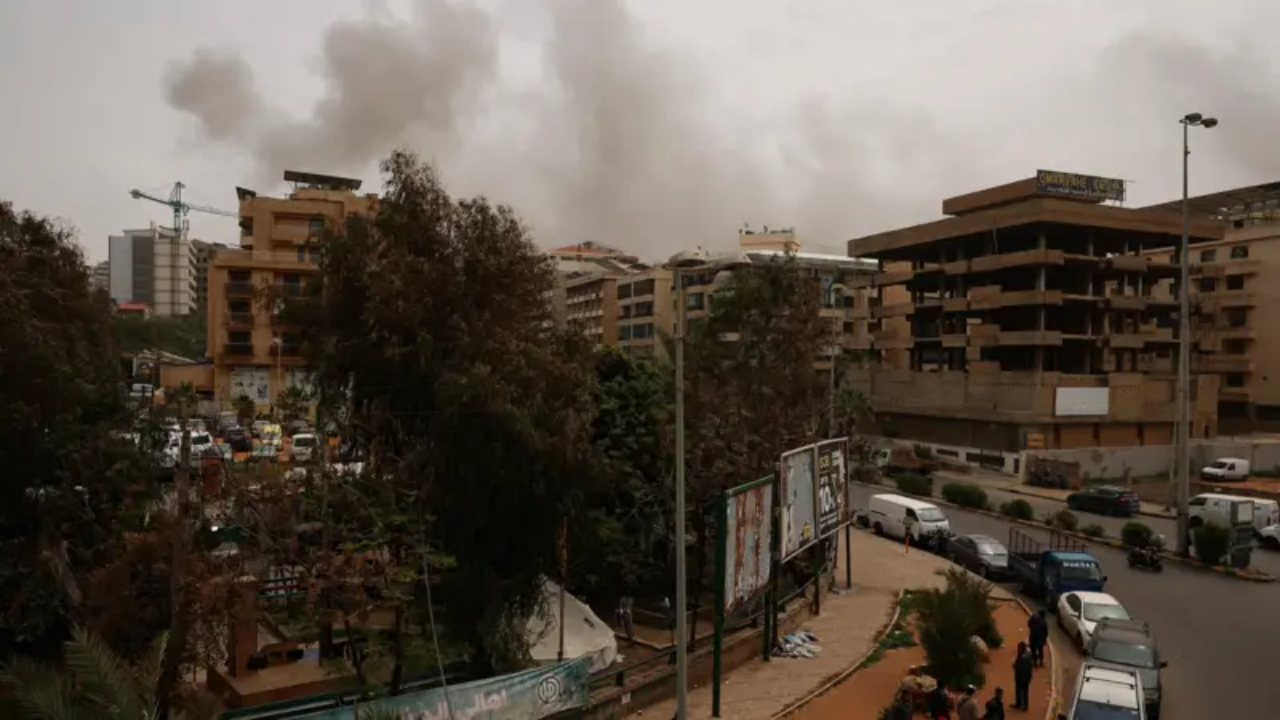
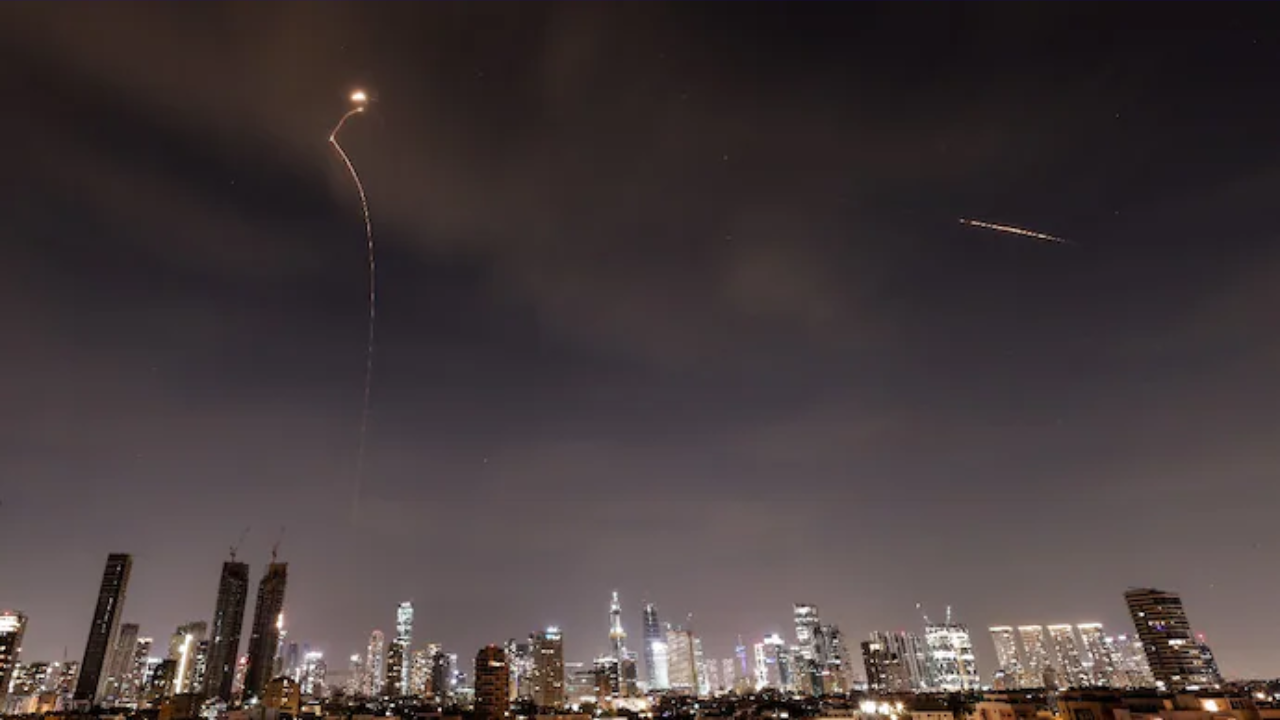
This incident marks the first loss of a crewed U.S. combat aircraft in the five-week-old conflict involving U.S., Israeli, and Iranian forces. The successful rescue occurs against a backdrop of severe escalation, following U.S. demands for Iran to reopen the Strait of Hormuz and recent strikes on Iranian petrochemical infrastructure.