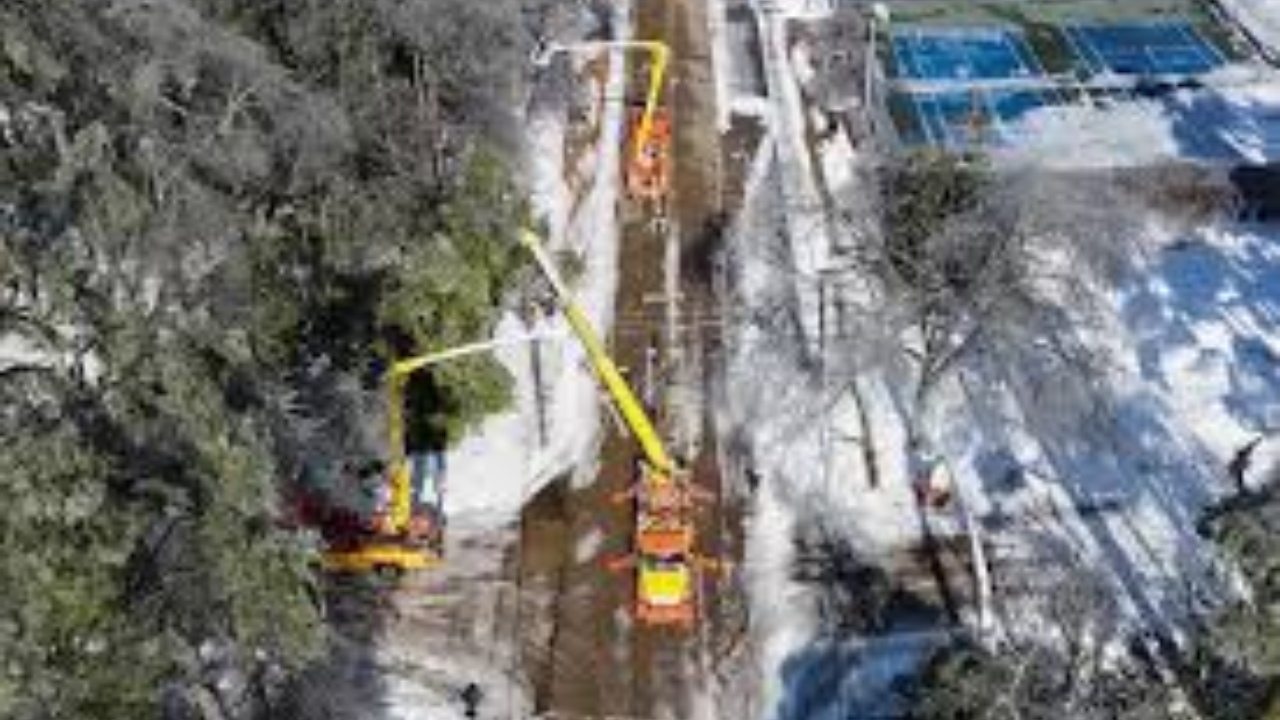
The U.S. South is currently paralyzed by a recovery effort that officials are calling a “slow-motion disaster.” While the freezing rain has stopped, the nightmare is far from over for millions as record-low temperatures turn fallen ice into a permanent, destructive weight.
Thank you for reading this post, don't forget to subscribe!
The Weight: Trees and power lines are carrying hundreds of pounds of extra weight, causing “delayed failures”—where infrastructure snaps days after the storm has passed.
The Deep Freeze: Temperatures aren’t rising high enough to trigger a thaw. In states like Mississippi and Tennessee, the ice is effectively “glued” to the grid, keeping hundreds of thousands in the dark.
Humanitarian Impact
The tragedy is no longer just about the weather; it’s about the lack of resources:
Casualties: The death toll has surpassed 100, driven largely by the “silent killers”—carbon monoxide from indoor generators and hypothermia in homes without heat.
The Blood Crisis: With hundreds of blood drives canceled, hospitals are facing a “critically low” supply, complicating emergency surgeries for storm victims.
Emergency Housing: Thousands are currently living in temporary warming centers as the National Guard works to clear “impassable” secondary roads.
State of the Recovery
Region
Status
Outlook
Mid-South (TN/MS)
Critical
Restoration may take weeks; grid damage is structural.
Gulf States (LA/AL)
Strained
Rolling outages continue to protect the remaining grid.
East Texas
Recovering
Focus has shifted from power to water main breaks.
Bottom Line: This is a marathon, not a sprint. Federal disaster declarations are now active across the region, but the true relief won’t come until the South finally sees a sustained thaw above