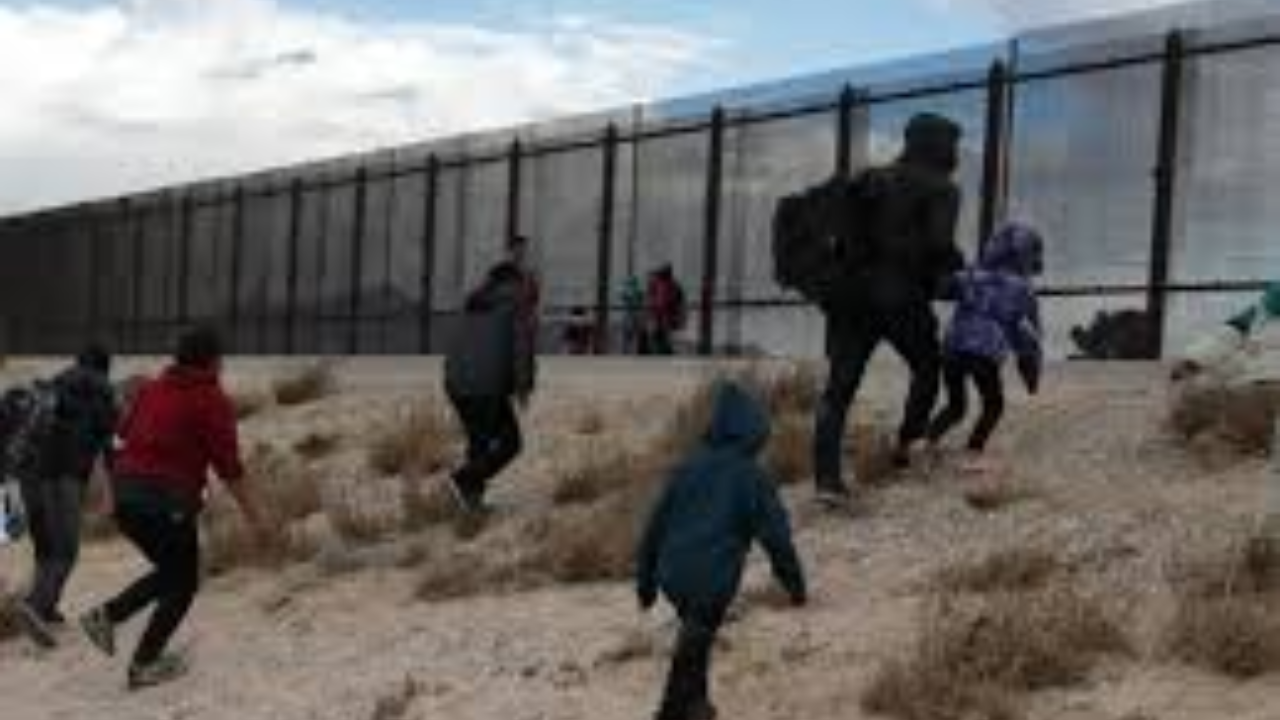
The U.S. immigration system has entered a state of unprecedented gridlock. As of February 2026, detention populations have surged to over 70,000 individuals, a historic peak that has pushed facilities—and the people inside them—to a breaking point. What was once a system of processing has become one of prolonged confinement.
Thank you for reading this post, don't forget to subscribe!A System Under Strain
- Extended Stays: The number of migrants held for over six months has doubled since 2024.
- Non-Criminal Majority: Data shows that nearly three-quarters of those currently languishing in centers have no prior criminal record.
Dire Conditions and Deterioration
Reports from the ground paint a grim picture of the physical environment. In facilities like the notorious Florida sites and Texas tent camps, the infrastructure is failing to meet basic human needs.
- Health Hazards: Widespread reports of contaminated food, failing sanitation systems, and severe insect infestations.
- Medical Neglect: A shortage of personnel has led to a spike in custody deaths, with 2025 being the deadliest year on record and 2026 currently on a similar trajectory.
- Mental Health: The psychological toll of “indefinite” waits has created a secondary crisis of trauma and despair among detainees.
The Legal Limbo
With internal oversight agencies recently scaled back, transparency has become a major hurdle for human rights advocates. For many migrants, the wait isn’t just about a court date; it’s a battle against a system that has moved from administrative processing to coercive detention. As legal challenges mount in federal courts, the question remains: at what point does “deterrence” cross the line into a humanitarian catastrophe?