CANTERBURY – A rapid escalation of Meningitis B (MenB) cases at the University of Kent has sparked a student-led movement to shut down campus operations. Following the confirmed deaths of two individuals—including a university student and a local Year 13 pupil—the student body is voicing intense concern over the university’s continued physical presence.
Thank you for reading this post, don't forget to subscribe!A Community in Mourning
The outbreak, which gained momentum in mid-March 2026, has already left at least 11 people in critical condition. Health authorities have traced the source of several infections to Club Chemistry, a popular student venue, specifically focusing on those who visited between March 5 and March 7.
While the standard UK adolescent vaccination program covers MenACWY, it notably excludes the MenB booster, leaving a significant portion of the student population vulnerable to this specific, aggressive strain.
The Student Mandate
A petition circulating on Change.org titled “Protect Kent Students” has garnered thousands of signatures. Students are calling for an immediate transition to remote learning, citing:
- Fear of Transmission: High-density lectures and communal living are seen as “petri dishes” for the spread of the bacteria.
- Mental Well-being: Students report high levels of anxiety, with many comparing the current atmosphere to the 2020 lockdowns.
- Equity: Proponents of the closure argue that students should not be forced to choose between their academic performance and their physical health.
The University’s Tactical Shift
While the administration has stopped short of a total campus lockdown, they have pivoted to a hybrid-emergency model:
- Online Assessments: All in-person exams and assessments for the current week have been canceled and moved online.
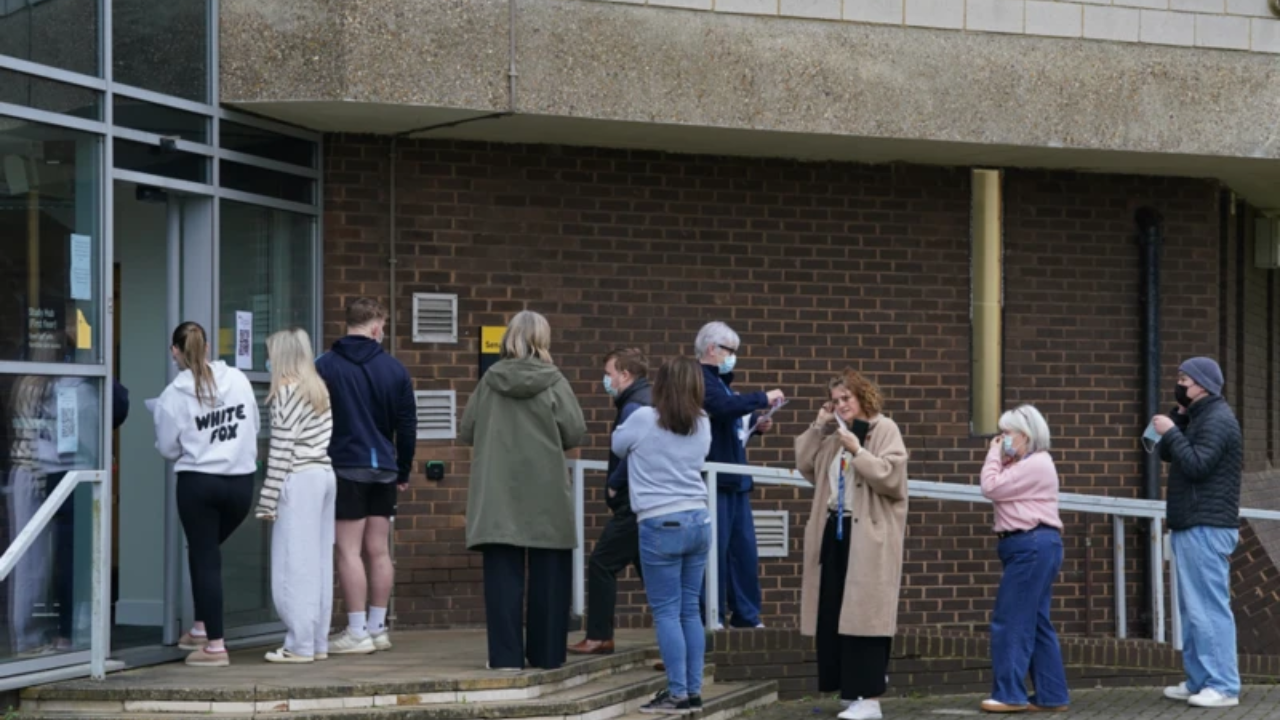
- Containment Strategy: Following UKHSA advice, the university is discouraging students from leaving Canterbury to visit family, fearing a national spread of the MenB strain.
- Medical Intervention: Rapid-response antibiotic distribution centers have been established at key halls of residence to provide preventative care to close contacts.
Note to Students: The UKHSA reminds students to look for key symptoms: a stiff neck, sensitivity to light, a non-fading rash, and severe headaches. If you feel unwell, do not wait for a rash to appear before seeking medical help.