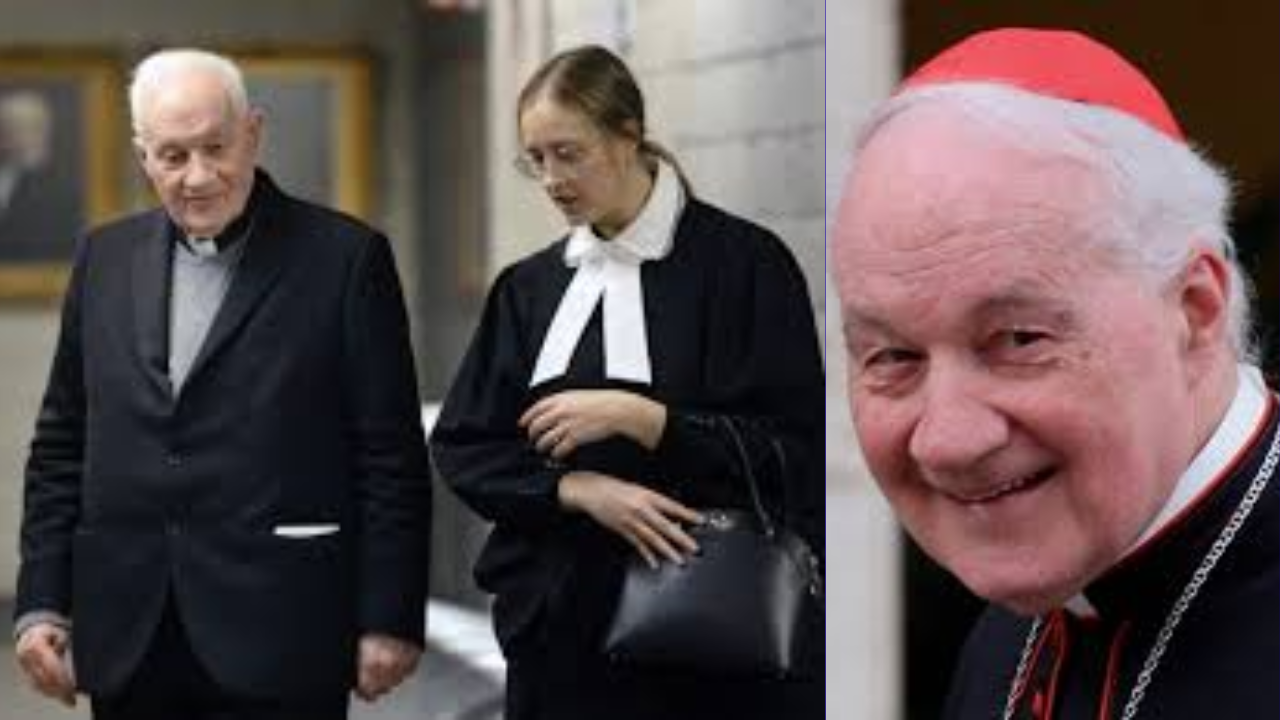
MONTREAL — The high-stakes defamation trial between retired Cardinal Marc Ouellet and Paméla Groleau entered a critical phase today as the court prepares to hear from additional witnesses. Ouellet is seeking $100,000 in damages, claiming Groleau’s allegations of sexual misconduct have irreversibly tarnished his reputation.
Thank you for reading this post, don't forget to subscribe!The Accusation
Taking the stand yesterday, Groleau provided a harrowing account of her time working within the Quebec City archdiocese between 2008 and 2010. She alleged that Ouellet subjected her to non-consensual touching on three separate occasions, most notably during a 2010 event where she claimed he slid his hand down her back to her buttocks. Groleau told the court she felt “hunted” and “tracked” during their interactions, framing the Cardinal’s behavior as a predatory use of power.
The Defense Narrative
In contrast, Ouellet’s legal team and several character witnesses have spent the week painting a picture of a “fraternal” and “warm” leader. Former colleagues testified that Ouellet’s physical contact—such as handshakes or hands on shoulders—was a standard, culturally accepted way of greeting the thousands of parishioners he met.
The defense argues that because the alleged incidents occurred in crowded, public venues like priest ordinations, Groleau’s interpretation of these gestures is not only mistaken but defamatory.
The Legal Stakes
The Montreal Superior Court must now weigh these conflicting testimonies. To win his suit, the Cardinal must prove that Groleau acted with malice or negligence in making her claims public, while Groleau’s defense rests on the “defense of truth”—proving that her account is a factual representation of her experience.