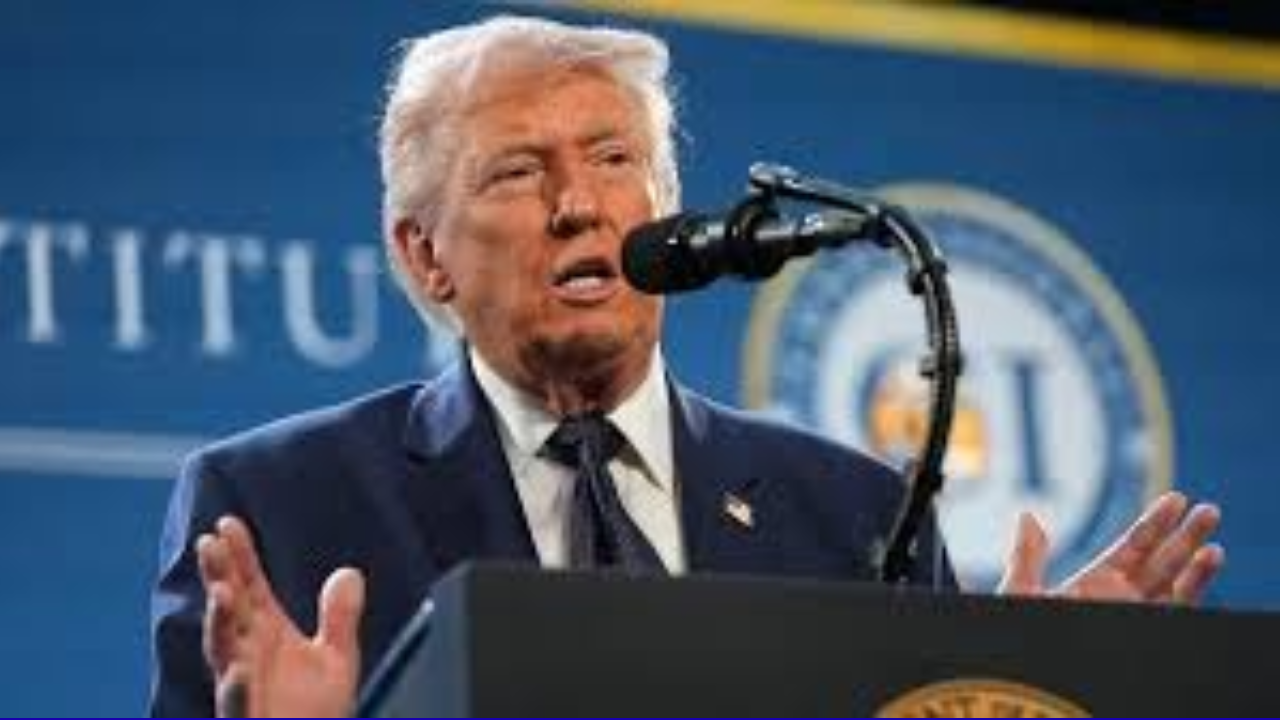
The years-long trade entanglement between China and the United States escalated dramatically in February 2025 with President Donald Trump’s imposition of tariffs on China, Canada, and Mexico. While a recent meeting between Trump and Chinese leader Xi Jinping resulted in a tentative truce—including a 10% tariff reduction on Chinese goods in exchange for fentanyl cooperation—the effective tariff rate on Chinese imports remains high at around 47%.
Thank you for reading this post, don't forget to subscribe!
Despite the friction and sustained tariff pressure, an analysis of the latest data reveals a compelling story of Chinese economic resilience and strategic decoupling.
China’s Counter-Strategy: Diversifying Away from the U.S.
While a core goal of the U.S. tariffs was to curb Chinese exports, Beijing is successfully pivoting its economy away from reliance on the American market.

- Overall Exports Surge: In September, Chinese exports to the U.S. plummeted by 27% (to $34.3 billion from $47 billion a year earlier). However, China’s total exports for the year are up 6.1%, with an 8.3% increase in September alone, demonstrating strong trade diversion.
- New Global Markets: China is actively replacing the American market by surging exports to other regions. This diversification means that the U.S. market is becoming a less critical source of Chinese growth.
- Shrinking U.S. Leverage: China is importing more goods from non-U.S. nations, reducing the leverage Washington holds through its position as a supplier.

The Commodity Battleground: U.S. Agriculture Takes a Hit
The retaliatory nature of the trade war is most evident in the agricultural sector, where China has systematically replaced American goods with alternatives from other global partners.
| Commodity | U.S. Import Trend | China’s New Source | Key Data Points |
| Soybeans | Imports ceased in September | Brazil and Argentina | China imported zero US soybeans in September. |
| Beef | Steep Decline | Australia and Argentina | Purchases dropped 90% in September (from $110M to $11M), leading to a 47% decline year-to-date in market share. |
While China agreed post-meeting to buy 12 million metric tons of soybeans this season, the underlying trend shows a successful and structural shift in supply chains away from the U.S.
Conclusion: Advantage China, But A Truce Is Necessary
The data suggests that the trade war, while causing mutual pain, has primarily achieved Chinese diversification rather than American market dominance.
- China’s Win: China’s ability to offset a massive drop in U.S. sales with double-digit growth in other markets demonstrates an accelerated structural shift in the global trading system. Its control over critical minerals and its industrial strength continue to give it a significant negotiating card.
- U.S. Cost: The tariffs have resulted in lost market share for American farmers and manufacturers, and some analysts suggest the U.S. economy may be suffering greater long-term GDP reduction from the tariffs than its trading partners.
The recent meeting between Trump and Xi appears to have brokered a temporary truce—a transactional pause—but the long-term trend indicates that China is strategically positioned to withstand, or even outlast, the sustained tariff pressure.
Would you like me to analyze how the shift in global commodity purchases (soybeans, beef) is impacting the economies of the new supplier countries like Brazil and Argentina?