The US-brokered ceasefire between Israel and Hamas has provided a rare moment of hope, beginning with a cautious exchange of hostages and prisoners on Monday. While the deal offers a pause in two years of devastating conflict, it has only postponed the most profound and difficult disputes.
Thank you for reading this post, don't forget to subscribe!Key Developments of the Ceasefire Phase One
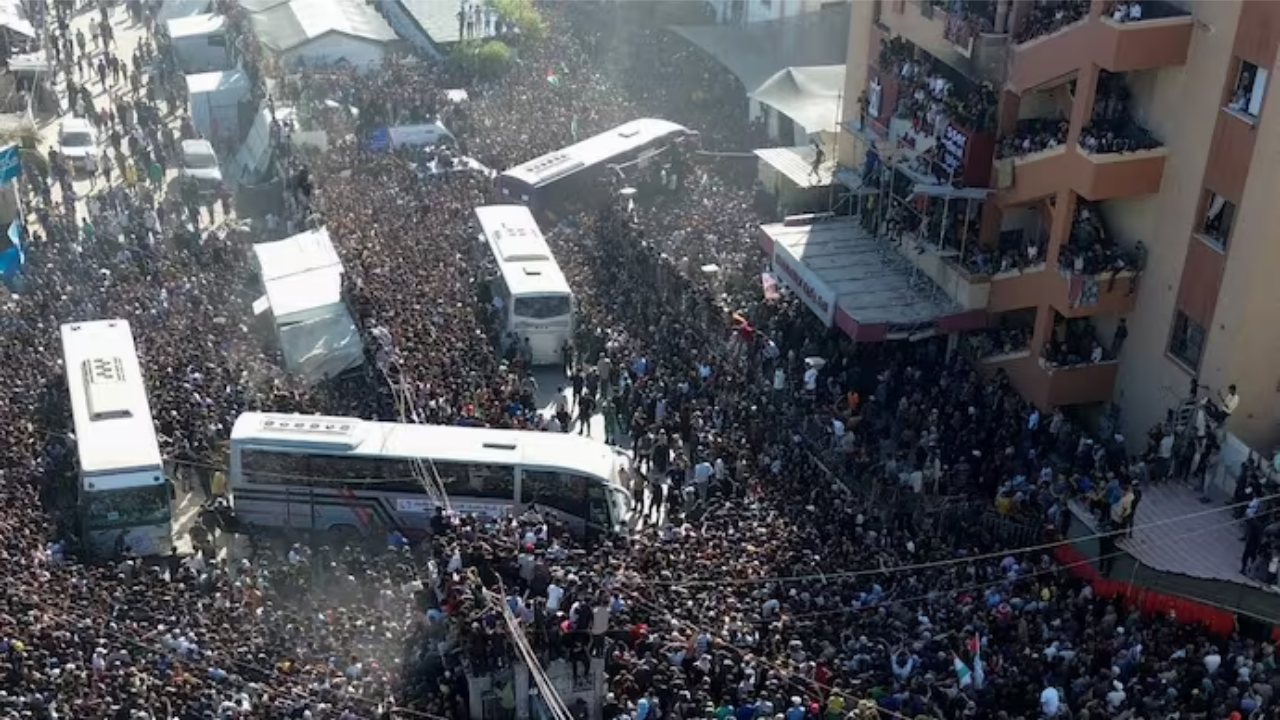
- Hostage and Prisoner Exchange: The exchange marked the first tangible progress. 20 living Israeli hostages were freed, bringing elation and relief to their families. In return, Israel released more than 1,900 Palestinian prisoners, including many held without charge and about 250 serving life terms.
- Return of Remains: Four deceased hostages were also returned, with the bodies of another 24 expected to be handed over soon.
- Humanitarian Aid Surge: Israel agreed to allow a surge of humanitarian aid—including food, water, and medical supplies—into the Gaza Strip.
The Unresolved Core Issues
Despite the initial exchange, the truce remains fragile because the underlying causes of the conflict are left unanswered. The disagreements center on three critical, long-term issues:
| Core Issue | Israel’s Position (Implicit or Explicit) | Hamas’s Position (Implicit or Explicit) |
| Hamas Disarmament | Israel insists Hamas must disarm as a condition for long-term peace. | Hamas rejects this demand, asserting its right to armed resistance. |
| Gaza’s Future Governance | Under the US plan, Gaza would be run by an international authority overseeing Palestinian technocrats, with an Arab-led security force. | Hamas wants Gaza’s future governance to be worked out solely among Palestinians. |
| Israeli Troop Withdrawal | Israeli soldiers remain stationed in parts of Rafah, northern Gaza, and along the border, with Prime Minister Netanyahu stating the deal “ends the war by achieving all our objectives.” | Hamas demands a complete and total withdrawal of Israeli forces from the Gaza Strip. |
International Diplomacy and Gaza’s Future
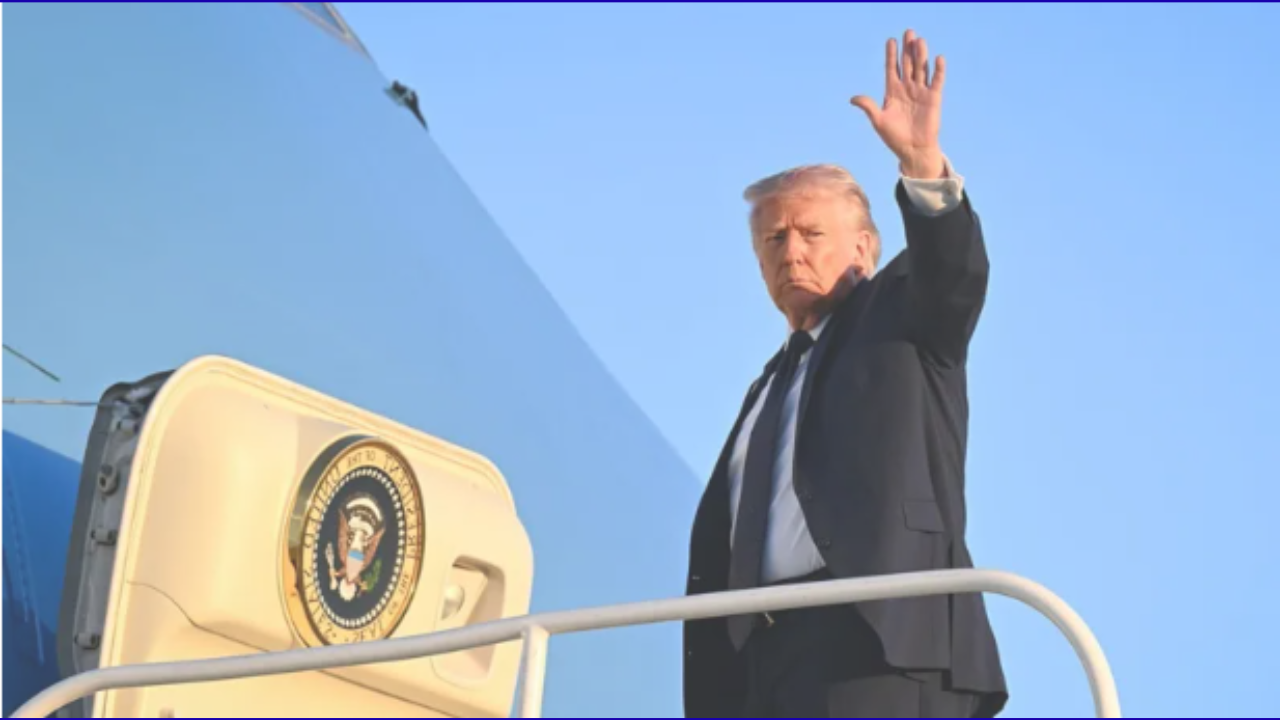
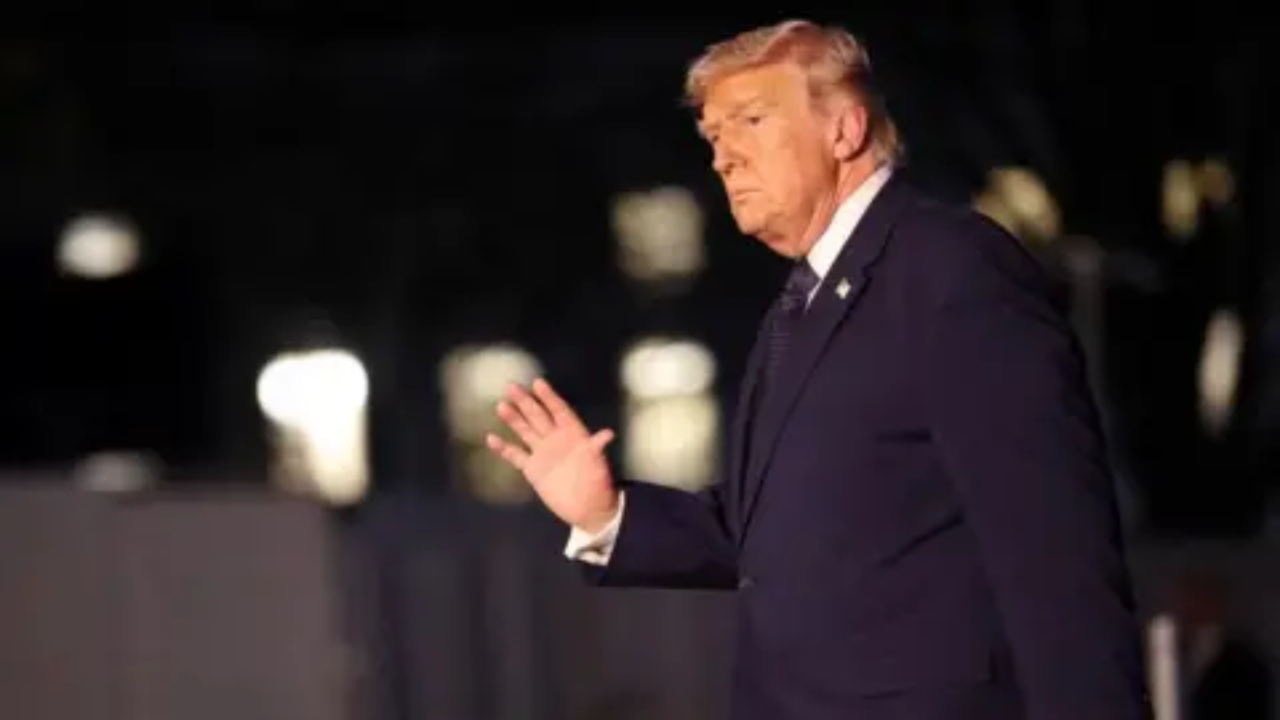
The fragility of the truce was highlighted by US President Donald Trump’s visit to the region, where he hailed the deal as a diplomatic breakthrough. Addressing Israel’s parliament, Trump stated, “Now it is time to translate these victories… into the ultimate prize of peace.”
Following his speech, Trump joined other world leaders, including Egyptian President Abdel-Fattah el-Sissi and Palestinian Authority President Mahmoud Abbas, in Cairo to begin tackling the tougher phases of the peace plan.
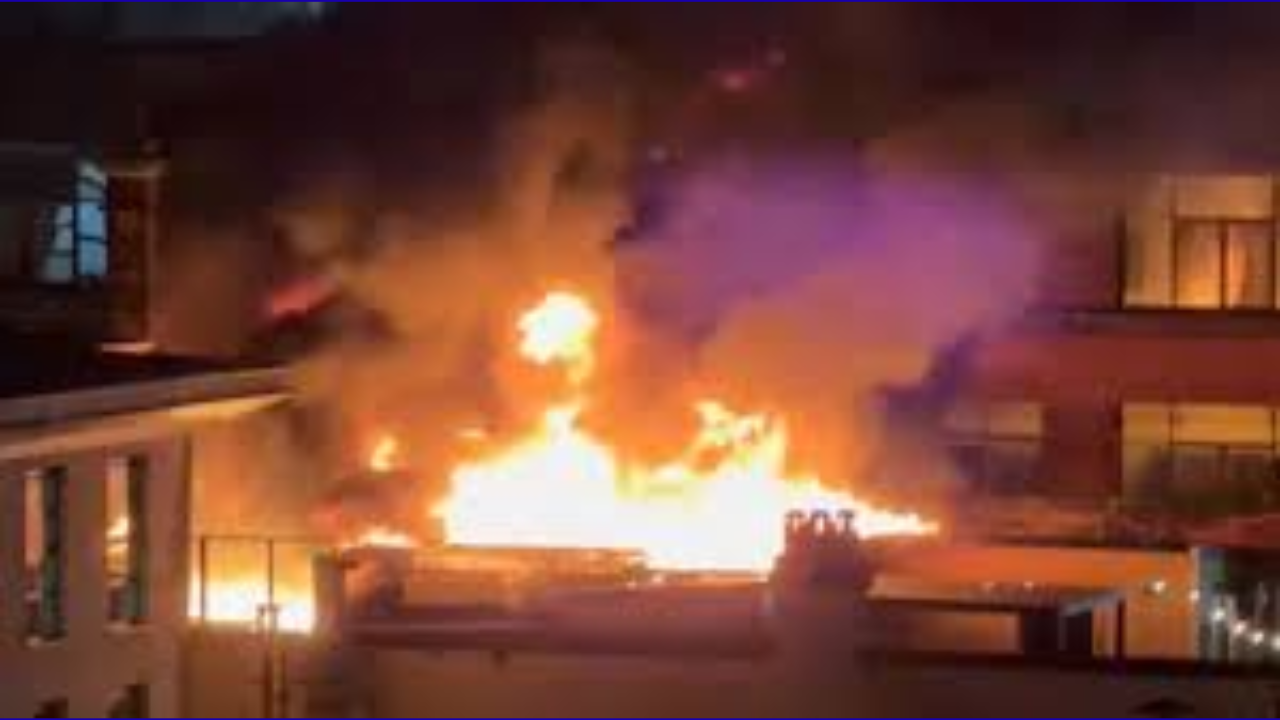
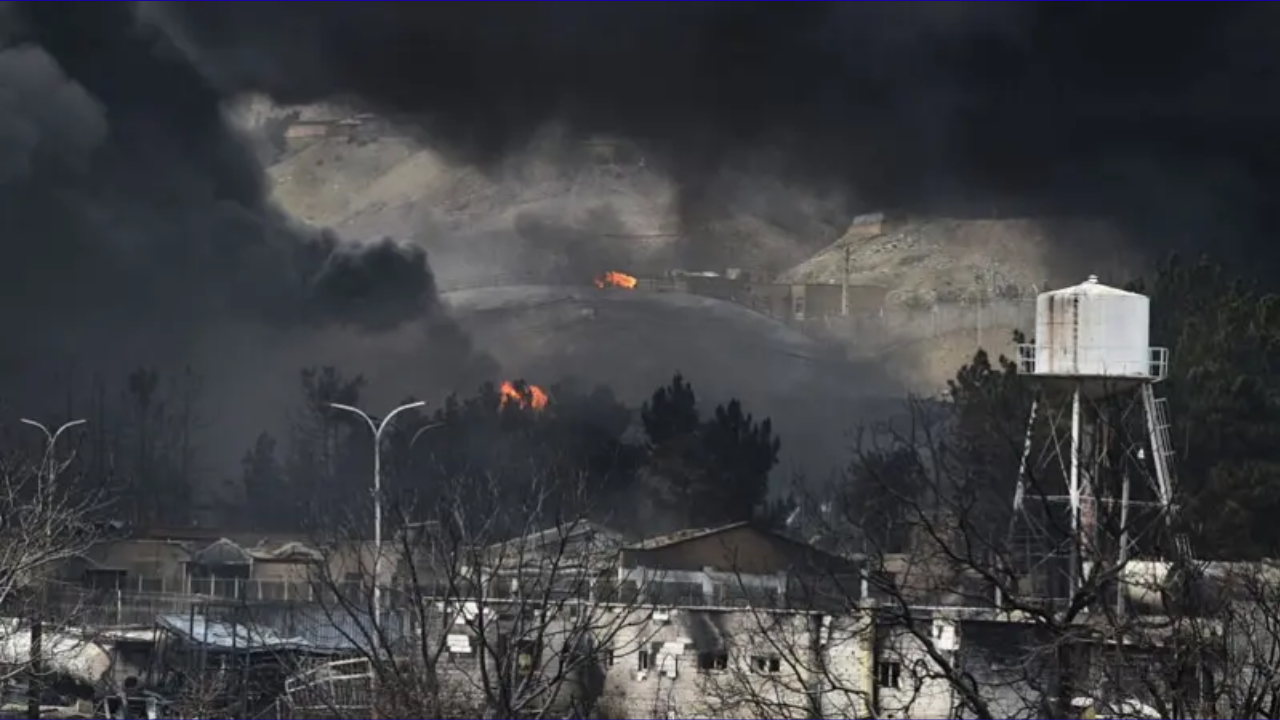
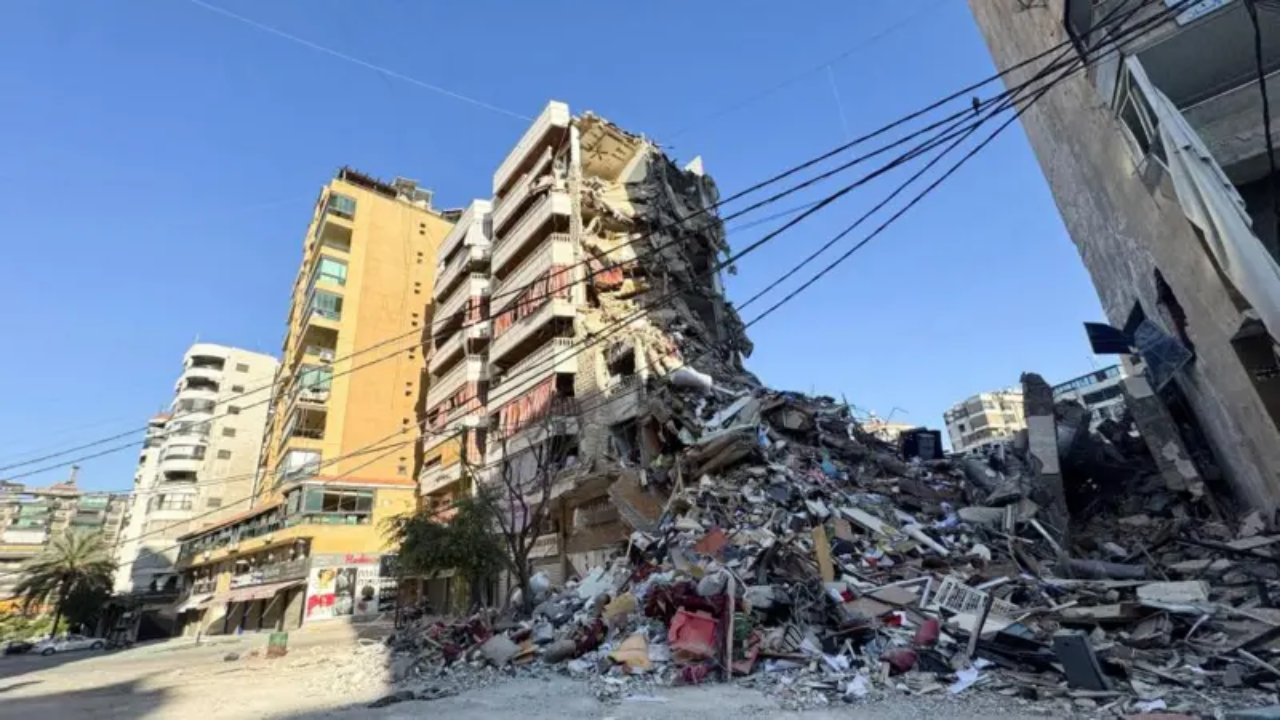
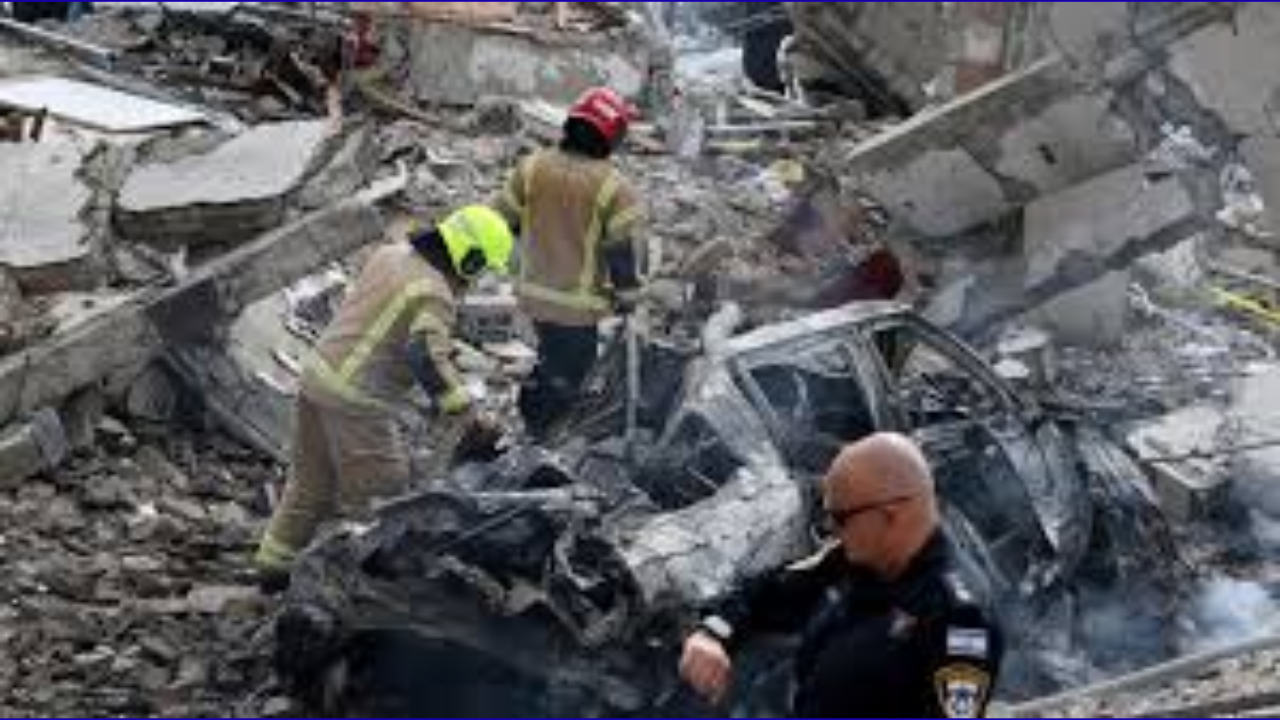
Meanwhile, Gaza’s misery endures. After months of bombardment, much of the territory lies in ruins. The economy has collapsed, basic services barely function, and the enormous challenge of rebuilding—which could take years—is still looming without a clear plan for funding or administration.
Would you like to focus the next version of the post rewrite on a specific angle, such as the humanitarian crisis or the political pressure on the leaders?