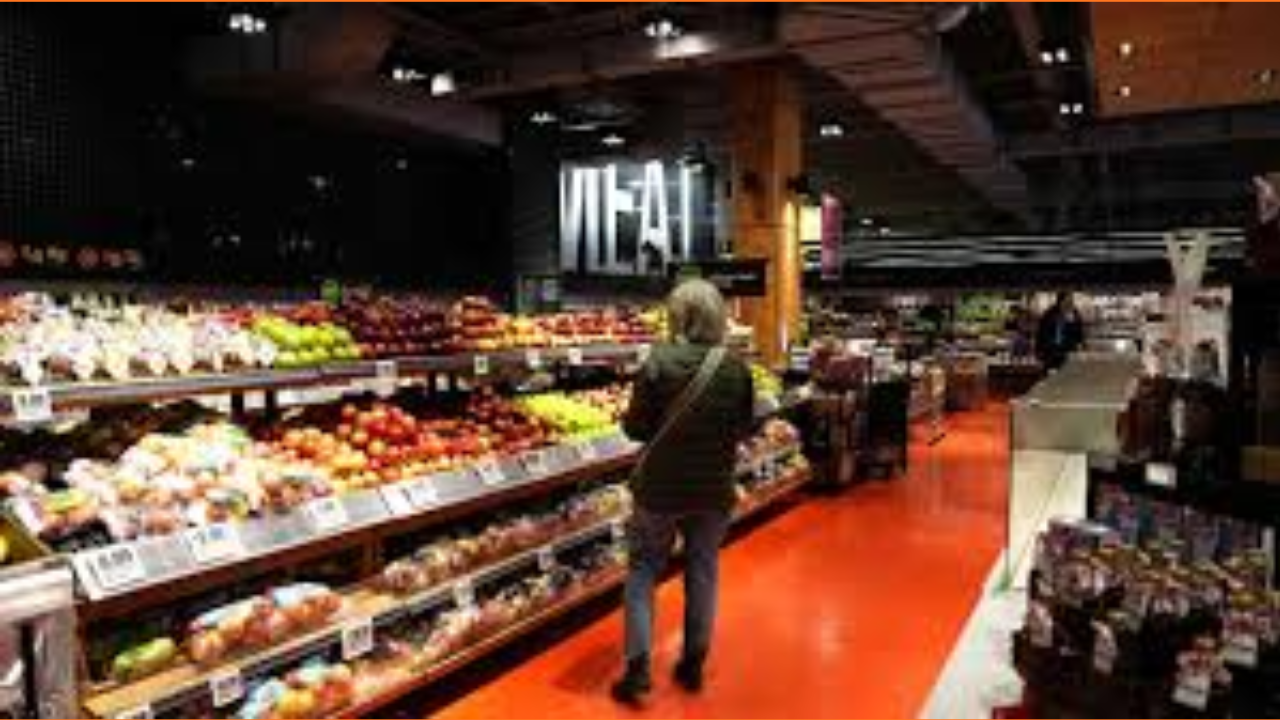
As of January 1, 2026, the rules governing how food gets to your table have officially changed. After a long standoff, all major retailers—including Walmart and Costco—have signed on to the new Grocery Code of Conduct.
Thank you for reading this post, don't forget to subscribe!1. Will your receipt look different?
In the short term: No. The Code does not cap prices or offer instant discounts. Instead, it aims to curb “hidden costs” in the supply chain. While you won’t see a price drop today, the goal is to prevent the sudden, aggressive price hikes we’ve seen over the last few years by creating a more stable business environment.
2. More Local Brands on Shelves
Before today, large grocers could charge small suppliers “stocking fees” or change contracts without notice. This often drove smaller Canadian brands out of business.
- The Change: The Code bans these unfair practices.
- The Result: You will likely see more variety and a stronger presence of local, independent Canadian brands that previously couldn’t afford the “fees” to be on the shelf.
3. Better Stock and Fewer Empty Shelves
The Code mandates a formal way to handle supply disputes. Previously, a disagreement over costs could result in a retailer “delisting” a product (removing it from shelves) overnight.
- The Benefit: With a new Adjudicator overseeing disputes, these “grocery wars” should be resolved behind the scenes, meaning fewer “Out of Stock” signs for your favorite staples.
4. Supporting the “Little Guy”
Independent grocers often get the short end of the stick when supply is low. The Code aims to level the playing field, ensuring that your neighborhood independent store has a fairer shot at getting inventory compared to the big-box giants.
The Verdict: This is a long-term play. It’s designed to fix a “broken” system behind the scenes. While it isn’t an immediate cure for inflation, it is the first major step in years to hold Canada’s massive grocery chains accountable for how they treat suppliers and, ultimately, how they price their food.