California has officially dropped its lawsuit against the Trump administration over the revocation of $4 billion in high-speed rail grants. State officials cited the federal government’s status as an “unreliable partner” and expressed a desire to move past costly federal red tape.
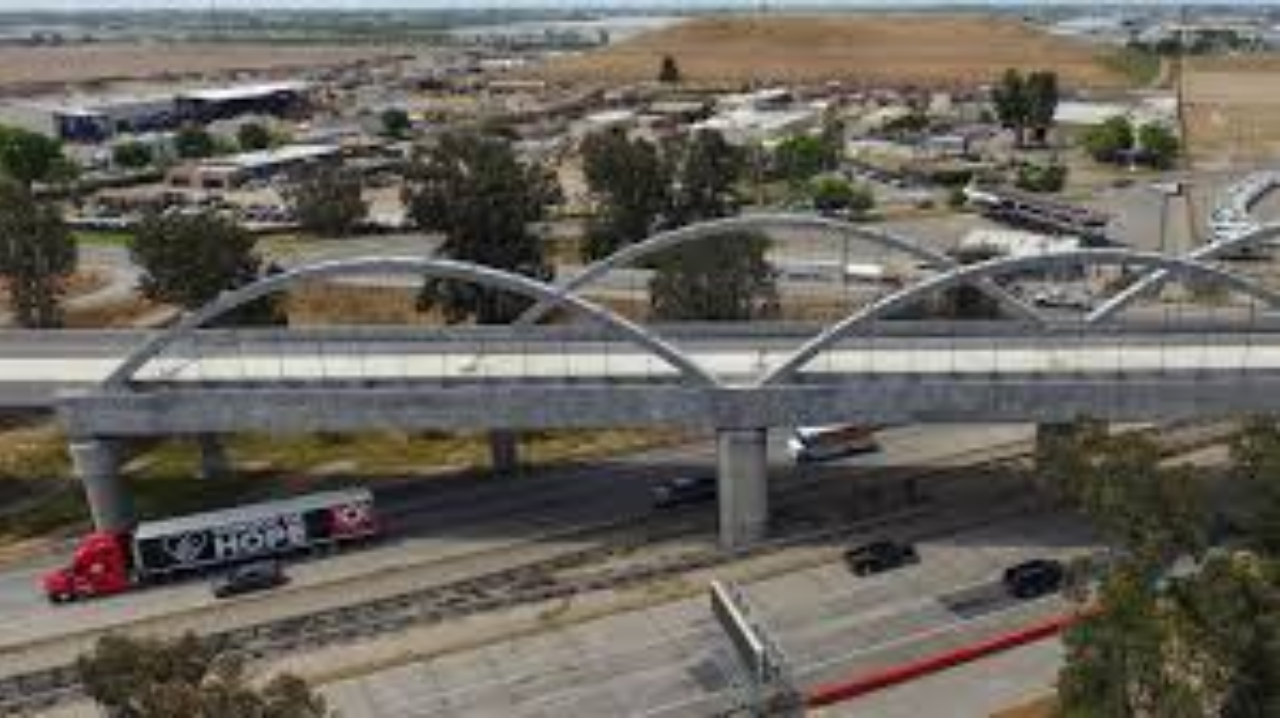
Thank you for reading this post, don't forget to subscribe!While the loss of federal funds is a blow, the California High-Speed Rail Authority (CHSRA) plans to rely on state Cap-and-Trade revenue and a new push for private investment to complete the 119-mile Central Valley segment. Despite the administration’s “boondoggle” label, the state maintains a 2033 target for the first operational line.
Why California Stopped Fighting for its Missing Train Money
For years, California and the federal government have been in a legal “tug-of-war” over billions of dollars for a high-speed train. This week, California let go of the rope.
The state decided that fighting the Trump administration in court wasn’t worth the trouble anymore. Federal officials argue the project is a waste of money, while California says federal rules were actually making the project more expensive. Now, the state is looking for private companies to help pay the bills, aiming to get trains running between Merced and Bakersfield by 2033.
California Abandons Lawsuit as Federal Funding for Rail Dries Up
Faced with a federal government that refuses to fund what it calls a “train to nowhere,” California has dropped its legal challenge to recover $4 billion in revoked grants. Federal reports highlighted a $7 billion funding gap and years of mismanagement as the basis for pulling the plug. With the total cost now soaring over $100 billion, the project’s future depends on the state’s ability to attract private investors—a move many experts view as a “last-ditch” effort to save the embattled rail line.
Comparison of Key Facts
| Feature | The State’s View | The Federal View |
| The $4B Loss | A chance to cut red tape. | A penalty for mismanagement. |
| Project Status | 119 miles under construction. | A “boondoggle” with no end in sight. |
| Future Funding | Private partners and state taxes. | Unattainable without federal help. |