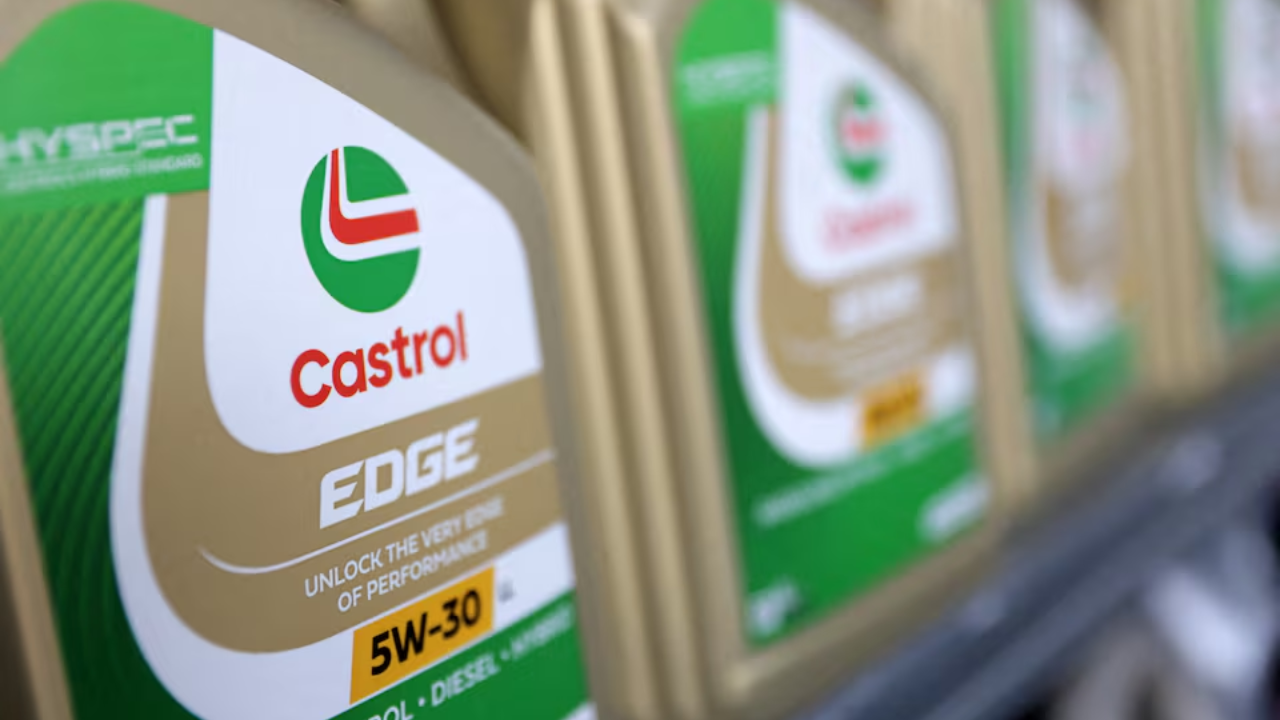
BP (BP.L) has officially reached an agreement to sell a 65% majority stake in its Castrol lubricants division to U.S.-based investment firm Stonepeak. The deal, which values the 125-year-old brand at $10.1 billion, is a cornerstone of BP’s broader $20 billion divestment strategy aimed at strengthening its balance sheet.
Thank you for reading this post, don't forget to subscribe!Under the terms of the agreement, BP will retain a 35% interest in a new joint venture, though it is subject to a two-year lock-in period before further shares can be sold. The $6 billion proceeds—which include $800 million in accelerated dividends—will be used primarily to reduce BP’s net debt, which currently sits at $26 billion.
The move highlights a strategic pivot under BP’s new leadership. With incoming CEO Meg O’Neill and Chair Albert Manifold emphasizing a “less complex” portfolio, BP is shifting its focus back to its core oil and gas operations while scaling back renewable energy ambitions. Following the announcement, BP shares rose more than 1% as investors reacted to the company’s accelerated debt-reduction efforts.
BP Hits Divestment Milestone with $6 Billion Castrol Deal
In its most significant asset sale to date, BP is offloading 65% of Castrol to Stonepeak for approximately $6 billion. The transaction is a major win for BP’s plan to slash its net debt to under $18 billion by 2027.
Key Highlights:
- Valuation: Castrol is valued at $10.1 billion in the deal.
- Debt Reduction: Proceeds will help BP lower its current $26 billion debt pile.
- Strategy Shift: The sale signals a move away from renewable-heavy strategies toward higher-margin oil and gas production.
- Partners: The Canada Pension Plan Investment Board is co-investing $1.05 billion alongside Stonepeak.
This deal comes as BP streamlines operations under fresh leadership to close the performance gap between itself and its global rivals.
Why BP is Letting Go of its “Crown Jewel” Lubricants Business
For decades, Castrol has been one of BP’s most stable, brand-heavy assets. However, the decision to sell a 65% stake to Stonepeak for $6 billion signals that BP is prioritizing financial health over brand ownership.
By offloading the majority stake, BP achieves several goals at once: it secures a massive cash injection to appease shareholders, reduces debt, and simplifies a portfolio that Chair Albert Manifold recently called “overly complex.” While BP keeps a 35% foot in the door, the deal is a clear admission that the company is retreating from its previous diversification attempts to double down on fossil fuel profitability.
With $11 billion of its $20 billion divestment target now reached, the market is beginning to show renewed confidence in BP’s ability to execute a leaner, more focused business model.